Just days after the premiere of Gerak Khas 2.0, producer Datuk Yusof Haslam of Skop Production has made the decisive move to excise an actress from the 26-episode police drama following her involvement in a serious legal matter. The actress was arrested during a police raid conducted by officers from the Dang Wangi district police headquarters on July 7, where she subsequently tested positive for three types of drugs. This development has forced the production team to take swift corrective action to preserve what Yusof described as the integrity of the entire project.
The timing of the incident adds particular urgency to the production timeline. Yusof revealed that when the decision was made to remove the actress, filming had already advanced to the 90-percent completion mark. This means the production team faced a critical juncture where removing her entirely from the final cut required strategically eliminating her scenes rather than reshooting entire sequences. The actress still featured in scenes scheduled for Episodes 23 and 24 of the total 26-episode run, scenes that have now been completely cancelled from the broadcast version. With only approximately two weeks of shooting remaining at the time of the announcement, the disruption, while significant, came late enough in the production cycle to avoid catastrophic delays or financial consequences.
Yusof's statement suggests this decision, though firm, was not taken lightly given the investment already committed to the production. He acknowledged that the actress had previously worked with Skop Production without incident, indicating this was not a pattern of misconduct but rather an unexpected turn of events that forced the company's hand. The producer emphasised that had they possessed foreknowledge of her involvement with drugs, the casting decision would never have been made in the first place. This candid admission reveals the inherent vulnerability of entertainment productions when cast members engage in activities outside the professional sphere, particularly those involving legal consequences.
Beyond the logistical adjustments, Yusof framed the removal as serving a broader disciplinary purpose within the production. He indicated that the firm response was intended to send a message not only to the actress but to the entire cast and crew working on the drama. Throughout the production process, he had repeatedly emphasised to everyone involved the importance of maintaining personal discipline and steering clear of activities that could damage the reputation of the project or, more broadly, the Royal Malaysia Police, whose institution is the subject of the series.
The producer's comments reveal the careful balance productions must strike when depicting law enforcement. A drama centred on the police force carries particular responsibility regarding the conduct of those who portray officers. When an actress playing a police inspector becomes embroiled in a drug case, the contradiction between her on-screen role and off-screen behaviour creates a reputational liability that extends beyond the individual to the entire production. Yusof stressed that maintaining this separation between entertainment and real-world scandals is crucial for preserving public confidence in the narrative the series aims to tell.
Yusof also addressed the broader pressure he places on cast and crew regarding lifestyle choices. He noted that he had specifically cautioned the actress on two separate occasions about avoiding involvement in any activities that could compromise the drama's standing. His comments about nightclubs and social venues suggest the production team maintains specific expectations about where and how cast members spend their off-set time, particularly female performers who, as Yusof acknowledged, face heightened public scrutiny and judgment. This perspective reflects traditional attitudes within Malaysia's entertainment industry regarding gender, morality, and public perception.
When discussing his refusal to entertain appeals from the actress, Yusof demonstrated an uncompromising stance on accountability. He stated explicitly that he rejected any requests for reconsideration or excuses, viewing the situation as one where mistakes carry permanent consequences. His assertion that "it's too late" captures a philosophy of professional finality—once a certain threshold of misconduct is crossed, particularly involving criminal charges, rehabilitation within that specific professional context is no longer feasible. This hardline approach, while potentially harsh, aligns with broader industry practices of distancing productions from controversy.
The philosophical dimension of Yusof's response extends to his observation about reputation and redemption. He remarked that once someone commits a significant mistake, the public tends to overlook prior accomplishments and good behaviour. This observation about collective memory and public judgment carries particular weight in Malaysia's entertainment landscape, where social media amplification of scandals can rapidly alter public perception. The actress's prior contributions to the drama or industry become secondary to the immediate negative association created by the drug arrest.
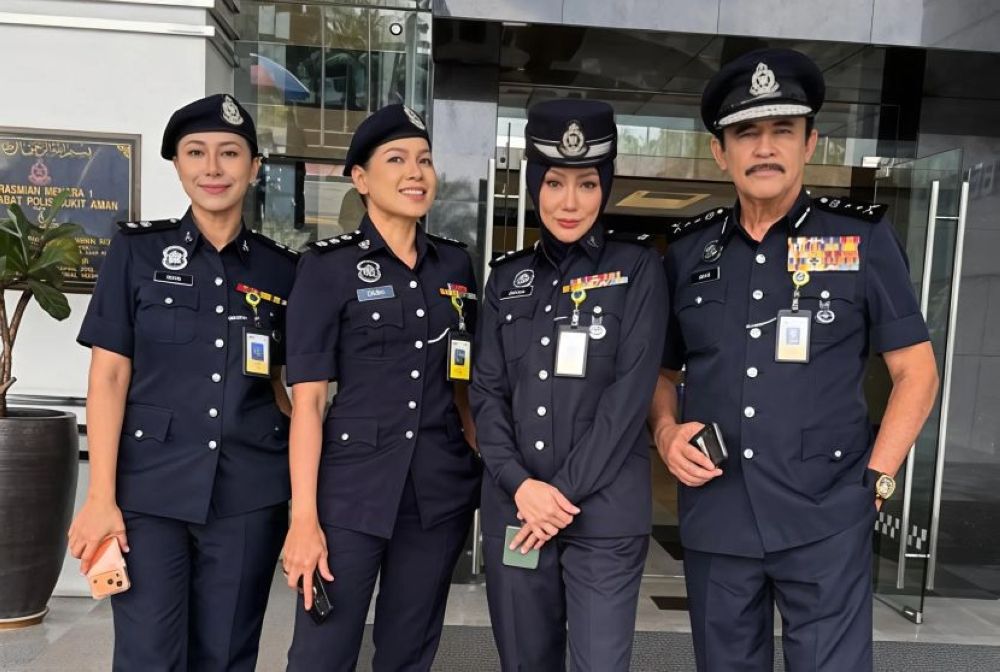
The cast of Gerak Khas 2.0 remains substantial despite the removal. The production features established actors including Hans Isaac, Erra Fazira, C. Kumaresan, and Salina Saibi. Other actresses portraying police inspectors in the series include Tisha Shamsir, Nabiha Aimi, and Emily Elizabeth, suggesting the drama maintains depth and star power despite the loss of one performer. This ensemble approach provides some insulation against the impact of individual cast disruptions, though the nature of the removal—involving active scenes requiring elimination—still creates visible gaps in the narrative continuity.
For Malaysian media consumers and the broader entertainment industry, this incident illustrates the intersection of personal conduct and professional consequences. Productions dealing with sensitive institutions like law enforcement face heightened expectations regarding cast behaviour, and the removal of an actress for a drug-related conviction reflects current standards within Malaysia's content creation sector. The case also demonstrates how production timelines can absorb unexpected personnel changes when projects are sufficiently advanced, though the costs—both financial and reputational—remain substantial.
The incident raises questions about duty of care within entertainment productions and whether companies should implement more rigorous background investigations or conduct ongoing monitoring of cast members. Yusof's acknowledgment that they could not have known about the actress's activities absent prior intelligence suggests current industry practice relies largely on post-incident disclosure rather than proactive oversight. As Malaysian entertainment continues to navigate scrutiny regarding both content standards and cast conduct, productions like Gerak Khas 2.0 face mounting pressure to balance artistic creativity with reputational management.

