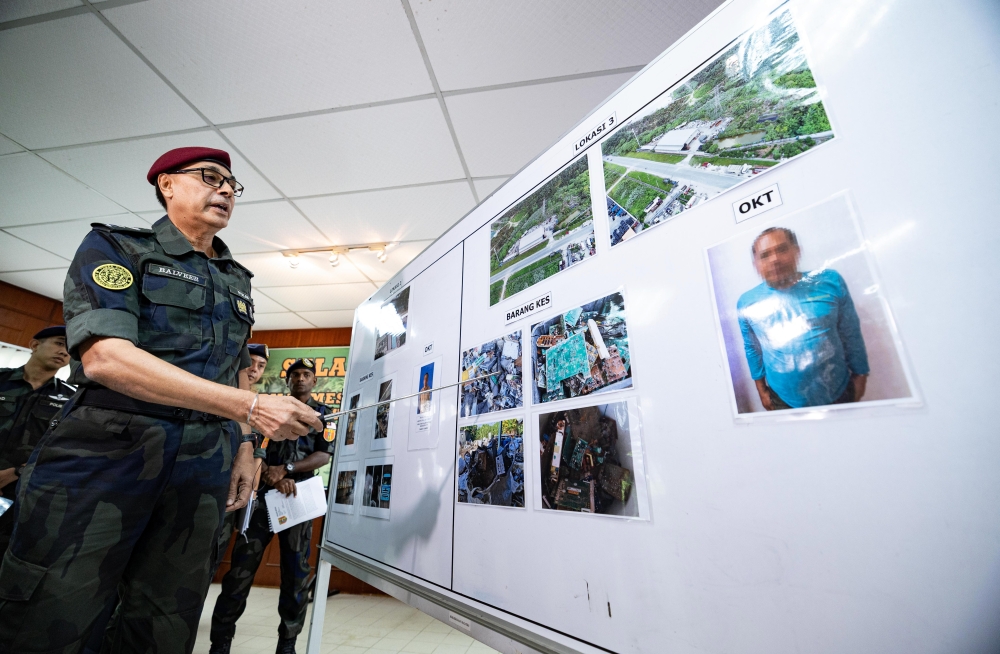
In a significant enforcement operation targeting environmental crime and illegal waste trafficking, the General Operations Force (GOF) Northern Brigade has dismantled what appears to be a substantial organised e-waste smuggling network operating in Ipoh. The raids, which resulted in the seizure of 120,220 kilogrammes of electronic waste valued at approximately RM9.39 million, underscore the ongoing battle against illegal waste trafficking in Malaysia's northern regions and signal renewed commitment to combating environmental degradation linked to improper disposal of hazardous materials.
Fourteen individuals were arrested during the coordinated enforcement action, marking a notable success in the GOF's efforts to disrupt criminal enterprises centred on the trafficking and unauthorised handling of electronic waste. The scale of the confiscated materials and the number of arrests suggest a well-organised operation rather than isolated illegal activity, indicating that enforcement agencies have struck at a structured smuggling network with multiple operatives and distribution channels. The suspects are expected to face further investigation and potential prosecution under relevant laws governing waste management and environmental protection.
Electronic waste represents one of the fastest-growing waste streams globally and poses particular challenges for developing economies in Southeast Asia. The materials typically contain valuable metals including copper, gold, and rare earth elements, which create economic incentives for illegal operators who circumvent proper recycling and disposal procedures. In Malaysia, the profitable black market for e-waste has attracted criminal syndicates that exploit regulatory gaps and weaker enforcement in certain jurisdictions, exporting hazardous materials or processing them in ways that cause severe environmental and health damage to workers and surrounding communities.
The Ipoh operation illustrates the GOF's recognition that environmental crime has become a priority law enforcement concern. The Northern Brigade's capacity to mobilise resources for such a large-scale raid demonstrates institutional commitment to tackling waste trafficking beyond conventional security and public order functions. The coordinated nature of the enforcement action, which required surveillance, intelligence gathering, and multi-unit deployment, reflects the sophisticated approach now required to dismantle criminal waste networks that have become embedded in regional supply chains.
For Malaysian regulators and environmental authorities, the seizure highlights both the pervasiveness of illegal e-waste operations and the importance of sustained intelligence-led enforcement. Perak, where Ipoh is located, sits strategically along transportation routes connecting Malaysia's interior to ports and border areas, making it a natural transit point for traffickers seeking to move contraband materials. The state's industrial infrastructure and manufacturing base may also provide convenient cover for operations disguised as legitimate recycling or materials recovery activities.
The RM9.39 million valuation reflects the genuine economic value embedded in discarded electronics, which explains the criminal incentive structure. Properly processed e-waste yields recyclable materials with commercial value; improperly handled waste contaminates soil and water with toxic substances including lead, mercury, and cadmium. Unscrupulous operators, unconcerned with environmental or occupational safety standards, extract valuable components while leaving hazardous residues that impose costs on communities long after the initial trafficking offence occurs.
This enforcement action also carries implications for Malaysia's international commitments regarding hazardous waste management. As a signatory to the Basel Convention, which regulates transboundary movement of hazardous waste, Malaysia faces scrutiny from regional partners and international bodies over its capacity to prevent illegal waste imports and trafficking. Successful operations like the Ipoh raids provide tangible evidence of enforcement capability, though the continued volume of illegal activity suggests that visible operations must be accompanied by systemic improvements in detection, prevention, and deterrence.
The arrested individuals will likely be investigated under the Environmental Quality Act 1974 and potentially the Hazardous Waste Rules. Conviction under these statutes carries substantial penalties including imprisonment and fines, serving as deterrents to potential participants in smuggling networks. However, enforcement authorities recognise that individual prosecutions alone cannot eliminate illicit markets; addressing root causes requires cooperation between enforcement agencies, customs authorities, port operators, and regional neighbours to close vulnerabilities in supply chains and increase the cost and risk of trafficking operations.
Longer-term solutions involve strengthening Malaysia's domestic recycling infrastructure and capacity to process e-waste domestically, reducing the economic advantage of illegal exports. The government has initiated plans to develop licensed e-waste recycling facilities and establish extended producer responsibility schemes requiring manufacturers to manage end-of-life products. These structural measures, combined with targeted enforcement like the Ipoh operation, form a comprehensive response to trafficking challenges.
For Southeast Asian nations broadly, the e-waste challenge reflects a broader dilemma facing developing economies: rapid technological adoption generates enormous quantities of discarded electronics, yet formal recycling infrastructure remains limited and costly. Wealthier nations and multinational companies sometimes exploit this gap, exporting hazardous waste disguised as legitimate commodity flows. Malaysia's enforcement successes thus assume regional significance, demonstrating that middle-income countries can develop capacity to defend their borders against waste dumping and protect citizens from environmental crime.
The GOF Northern Brigade's operation in Ipoh also underscores coordination challenges within Malaysia's enforcement apparatus. Successful interventions typically require intelligence sharing between customs, environmental agencies, local police, and the GOF itself. The scale and sophistication of modern e-waste trafficking networks demand that agencies move beyond traditional jurisdictional silos and develop integrated task forces capable of following complex supply chains across administrative boundaries.
Moving forward, the case will test Malaysia's criminal justice system's capacity to prosecute sophisticated waste trafficking cases effectively. Prosecutors must establish clear links between individual defendants and the broader smuggling enterprise, demonstrating knowledge and intent rather than merely proximity to contraband materials. Conviction rates and sentencing severity in e-waste cases will signal to potential offenders whether Malaysia treats environmental crime with the seriousness that its economic and health costs warrant. The coming months will reveal whether this significant seizure represents a turning point in enforcement capacity or another isolated success amid ongoing illegal operations.

