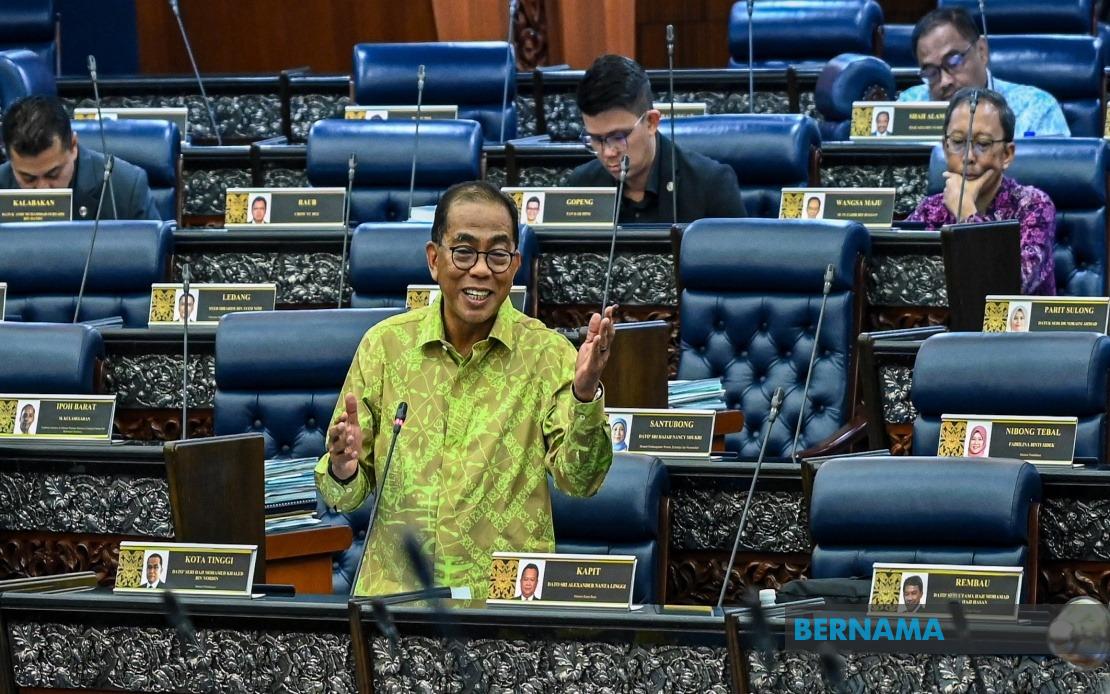
Defence Minister Datuk Seri Mohamed Khaled Nordin has announced that a comprehensive investigation into the fatal grenade explosion at Hobart Camp Firing Range in Gurun, Kedah, is expected to be finalised by July 23. The incident, which occurred during a military training exercise on June 16, claimed the lives of Lance Corporal Siti Khadijah Sungip and Sergeant Norazmi Abu Bakar. The minister's timeline, disclosed in parliament on July 16, marks a significant development in understanding how the tragedy unfolded and what systemic failures may have contributed to the loss of life during what should have been a routine training activity.
The Defence Ministry's decision to extend the investigation timeline reflects the complexity of properly examining a sensitive military incident. Mohamed Khaled emphasised that the board of inquiry, which was convened immediately after the explosion on June 17, required additional time to validate its preliminary findings. The board's initial report was submitted by the Army Western Field Command Headquarters on July 13, but upon ministerial review, investigators determined that witness accounts needed to be revisited and supplementary testimonies obtained. This methodical approach ensures that conclusions about the explosion's cause will rest on a sufficiently robust evidentiary foundation rather than assumptions or incomplete information.
The explosion occurred at approximately 10:57 am during a Combat Enhancement Training exercise, a standard component of military preparedness protocols. Both victims were severely injured in the blast, which detonated inside a bunker, and died during emergency transport to Sultan Abdul Halim Hospital in Sungai Petani. The incident has since sent ripples through Malaysia's military establishment, prompting urgent reviews of training protocols and safety mechanisms that had previously been considered adequate. The fact that two trained personnel—a junior enlisted soldier and her supervising instructor—were unable to prevent or survive the explosion has raised questions about the adequacy of existing safeguards and whether standard procedures were being followed correctly.
In response to parliamentary questioning from Datuk Mohd Isam Mohd Isa, the Defence Minister outlined the immediate operational measures taken to prevent similar incidents. Army Chief General Tan Sri Azhan Md Othman ordered a comprehensive suspension of all grenade-throwing exercises across the military immediately following the incident. Additionally, a special inspection of all remaining grenades held by the 1st Squadron of the Royal Engineer Regiment was conducted to identify any potential defects or safety concerns. These precautionary steps demonstrate the military's recognition that the incident may not have been an isolated anomaly but rather symptomatic of broader vulnerability within its training infrastructure.
Beyond the temporary suspension of training activities, the Defence Ministry has initiated several structural improvements designed to enhance safety at firing ranges and training facilities. The installation of closed-circuit television cameras at firing ranges will create visual documentation of all training exercises, enabling investigators to reconstruct incidents from multiple angles and identify procedural deviations. Body-worn cameras for instructors and participants will further supplement this surveillance infrastructure, providing additional perspective on events as they occur. These technological additions represent a shift toward accountability and transparency within military operations, recording objective evidence that can help distinguish between human error, equipment failure, and procedural oversights.
A particularly significant safety enhancement involves the introduction of a formal casting and lifecycle management system for ammunition and explosives. Military ordnance, like all manufactured products, has a finite operational lifespan beyond which its behaviour becomes unpredictable. Grenades stored or manufactured beyond their designated service life may become unstable, developing manufacturing defects or internal corrosion that compromises structural integrity. The absence of a rigorous lifecycle tracking system prior to the Gurun incident suggests that stored ordnance was being used without verified confirmation that it remained within safe operational parameters. This systemic gap may have been directly contributory to the explosion and represents a fundamental failure of inventory management procedures.
The implications of this incident extend beyond the immediate military context to broader public confidence in the Malaysian Armed Forces' operational safety standards. Military training exercises are inherently hazardous, yet soldiers and their families have a reasonable expectation that authorities have implemented all practical measures to minimise preventable risks. The deaths of Lance Corporal Siti Khadijah Sungip and Sergeant Norazmi Abu Bakar underscore the reality that military personnel bear unique occupational dangers. However, the Defence Ministry's belated recognition of gaps in equipment lifecycle management, inadequate surveillance of training exercises, and incomplete witness documentation suggests that these dangers were being compounded by preventable organisational failures.
For the broader Southeast Asian military community, the Gurun incident offers cautionary lessons about training infrastructure and the often-overlooked relationship between administrative discipline and operational safety. Many regional militaries operate with older equipment and constrained budgets, sometimes prioritising training frequency over comprehensive procedural compliance. The Malaysian case demonstrates that investing in basic monitoring systems like CCTV and standardised ordnance management protocols represents a relatively cost-effective intervention that can prevent catastrophic outcomes. As military establishments across Southeast Asia modernise their training capabilities, learning from incidents such as this can help prevent the repetition of similar tragedies elsewhere in the region.
The Defence Ministry's commitment to submitting a complete report by July 23 will provide important details about how the explosion occurred and whether procedural violations, equipment defects, or training methodology failures were responsible. This transparency is essential not only for understanding what happened but for demonstrating to the public and to military personnel that the government takes such incidents seriously and is committed to systemic improvement. The comprehensive nature of the investigation—examining technical specifications, procedural compliance, witness testimonies, and environmental factors—should yield actionable recommendations that can reshape how Malaysia's military approaches training safety. Until the full report is released, the temporary suspension of grenade-throwing exercises will remain in place, reflecting an abundance of caution that prioritises safety over training schedules.

