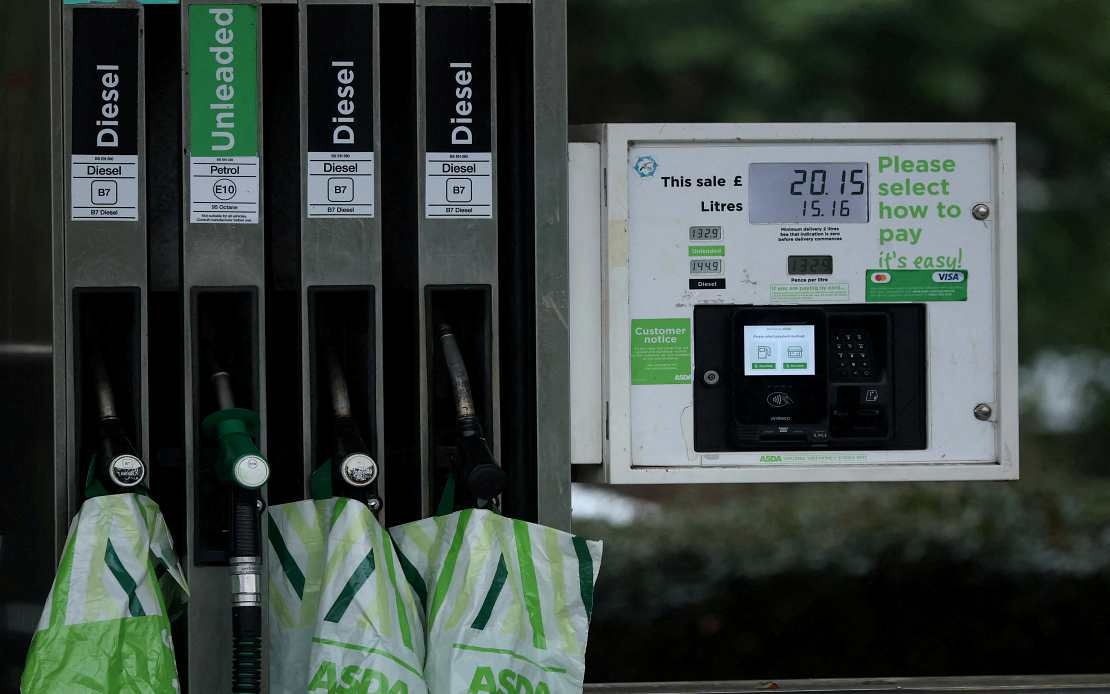
Petrol station operators across the United Kingdom are grappling with a sharp escalation in fuel theft that has coincided with the geopolitical tensions in Iran and the resulting commodity price shocks. Data compiled by Forecourt Eye, a fuel theft prevention specialist, reveals that drivers have absconded with an average of £194,000 worth of fuel daily from the nation's 8,359 petrol pumps since late February, when the crisis triggered sustained upward pressure on global oil markets.
The comparison between the five-month period following February 28 and the preceding five months paints a troubling picture for small independent operators. Reported incidents of fuel taken without payment increased by 20 per cent, a significant spike that reflects mounting desperation among consumers facing unprecedented pump prices. More concerning still is the composition of this crime wave: first-time offenders accounted for a 23 per cent increase in incidents, suggesting that fuel theft is no longer confined to organised criminal networks but has become a survival tactic for ordinary households struggling with inflation.
While the raw number of thefts rose by a fifth, the financial impact on retailers ballooned even more dramatically. The value of stolen fuel climbed by 48 per cent over the same period, a disparity explained by the extraordinary surge in wholesale prices. Petrol reached 160 pence per litre on the day this analysis was released, representing a 27 pence increase from pre-conflict levels and marking the highest cost for three and a half years. Diesel prices proved even more volatile, rising approximately 37 pence per litre to 179 pence, translating to cumulative household fuel costs that have become genuinely unaffordable for many British families.
The nature of these thefts reveals important nuances about consumer behaviour under economic stress. Forecourt Eye's figures encompass two distinct categories: outright drive-offs where motorists make no pretence of payment, and incidents where customers fill their tanks before claiming an inability to pay. Among repeat offenders, the increases were somewhat more modest, at 17 per cent for incident frequency and 20 per cent for volume stolen, suggesting that habitual criminals were already active before the crisis. This distinction matters because it indicates that the recent surge is driven substantially by first-time offenders, ordinary people pushed across an ethical threshold by circumstances beyond their control.
The implications for small independent retailers are particularly severe. While major branded forecourts operated by oil giants like BP and Shell face losses absorbed across global operations, independent petrol station owners operate on razor-thin margins and absorb every theft directly. Ben Lawrence, director of Lawrences Garages, which operates five stations across Norfolk and Hampshire, articulated this reality starkly: when a driver flees with £80 or £90 worth of fuel, the loss hits the small business operator, not the multinational energy corporation. This perception gap creates a moral hazard that magnifies the problem, as some motorists labour under the misconception that branded forecourts are all corporate-owned, making theft feel victimless.
Lawrence's observation about the changing demographic profile of offenders deserves particular attention for readers across Southeast Asia. Historically, fuel theft clustered among individuals already engaged in broader criminal enterprises, but the cost-of-living crisis has fundamentally altered this pattern. Ordinary working people, previously law-abiding, now face impossible choices between paying for fuel, food, and housing. This reflects wider economic stress rippling through Western economies, a cautionary reminder that sustained inflation and geopolitical disruption can unravel social cohesion and normalised behavioural codes in ways that statistics alone cannot capture.
The industry response demonstrates both technological sophistication and acknowledgment that the crisis transcends traditional crime prevention frameworks. Forecourt Eye is partnering with Facewatch, a facial recognition firm, to provide free crime reporting technology to petrol station operators. This system enables retailers to log thefts and other incidents while optionally joining a live facial recognition network designed to flag known offenders approaching their premises. While such measures offer tactical advantages, they also signal an industry preparing for a prolonged crisis rather than temporary disruption.
Staff safety has emerged as an unexpected but serious collateral consequence of the fuel theft epidemic. Gordon Balmer, executive director of the Petrol Retailers Association representing independent operators, highlighted rising reports of abuse and aggression directed at forecourt workers. These employees, typically young and working minimum-wage positions, find themselves on the frontline of consumer anger, bearing the brunt of customer frustration over prices they neither set nor control. The psychological toll on the retail workforce compounds the financial damage to businesses, creating workplace conditions that threaten employee retention across an already strained sector.
For Malaysian and Southeast Asian observers, this crisis illustrates the systemic vulnerabilities exposed when global commodity price shocks intersect with already-stretched household budgets. Malaysia's fuel subsidy regime, which maintains relatively stable petrol and diesel prices despite international fluctuations, prevents the precise scenario unfolding in Britain. However, should geopolitical circumstances ever force Malaysia to decouple from subsidised pricing, or should regional oil supplies face disruption, the British experience offers a blueprint for social friction and organised retail crime that authorities should monitor carefully. The transition from structural subsidies to market pricing, should it ever occur, would require careful public communication and graduated implementation to avoid triggering the desperation-driven crime now plaguing British forecourts.

