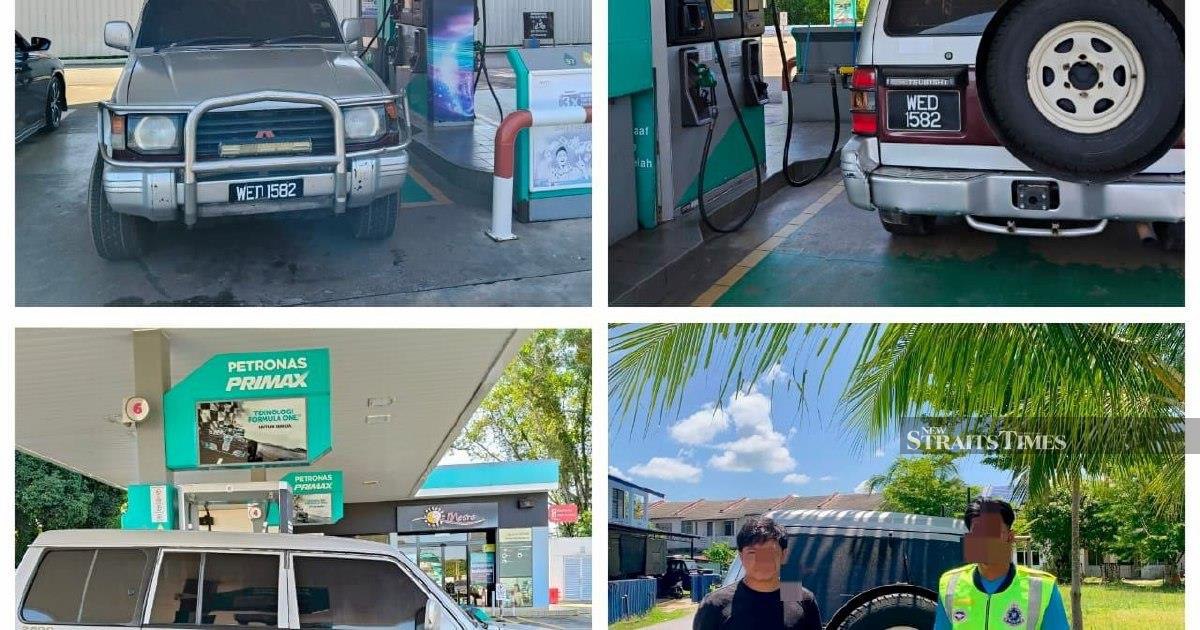
A 36-year-old man has been arrested at a petrol station in Rantau Panjang following an investigation into suspected fuel smuggling operations destined for Thailand. The suspect was detained yesterday after authorities uncovered evidence suggesting he was engaged in a pattern of purchasing petrol for the purpose of smuggling the product across the international border.
The arrest at Rantau Panjang, a key commercial hub in Kelantan along the Thai-Malaysian border, underscores the persistent challenges Malaysian authorities face in combating organised smuggling networks. The location's strategic position as a major entry and exit point for both legal and illegal cross-border commerce makes it a focal area for enforcement operations targeting contraband activities.
Smugging of petroleum products has emerged as a significant concern for Malaysian customs and border security agencies. The price differential between Malaysia and neighbouring Thailand creates financial incentives for smugglers to exploit regulatory loopholes and transport subsidised fuel across borders for black-market resale. This illicit trade not only deprives the government of legitimate tax revenue but also undermines the effectiveness of Malaysia's fuel subsidy programme, which is designed to benefit domestic consumers.
The suspect's alleged repeated trips to the petrol station suggest a deliberate smuggling operation rather than incidental activity. Such patterns indicate coordination with larger criminal networks that specialise in cross-border trafficking. The systematic nature of these purchases indicates the individual may have been part of an organised smuggling syndicate with established logistics and distribution networks on both sides of the border.
Enforcement operations like this one reflect heightened vigilance by Malaysian authorities in recent months. Border control agencies have intensified surveillance and intelligence-gathering efforts at major commercial transit points to identify and intercept smuggling activities. The ability to detect and arrest suspects engaged in fuel trafficking depends on coordinated efforts between customs officials, border police, and intelligence units that share information about suspicious purchasing patterns and vehicle movements.
Fuel smuggling carries particular significance within the Southeast Asian context, where price variations between countries create opportunities for cross-border arbitrage. Thailand's historically higher fuel prices compared to Malaysia have made Malaysian petrol an attractive contraband commodity. The economics of the trade are compelling enough to sustain organised criminal involvement, with smugglers willing to invest in transportation infrastructure and risk legal penalties to generate substantial profits.
The broader implications of this arrest extend beyond the immediate enforcement success. Each smuggling operation that continues unchecked represents a leakage in the government's fiscal capacity and a drain on subsidised fuel supplies intended for legitimate domestic consumption. When fuel subsidies are exploited through smuggling, the burden falls more heavily on law-abiding citizens and genuine businesses that depend on stable fuel costs for their operations.
Cross-border smuggling has long challenged Malaysian enforcement agencies due to the porous nature of land borders and the sophistication of trafficking networks. Smugglers employ various tactics to evade detection, including the use of multiple individuals making apparently legitimate purchases that collectively constitute trafficking. The suspect in this case appears to have employed such tactics, making sequential fuel purchases that individually seemed lawful but collectively represented an illegal smuggling operation.
Coordination with Thai authorities is essential in addressing fuel smuggling comprehensively. Both nations share an interest in preventing the development of criminal networks that exploit border zones. Intelligence sharing and joint operations at border checkpoints help disrupt smuggling supply chains and deter individuals considering involvement in such activities. This arrest may facilitate discussions between Malaysian and Thai law enforcement regarding broader smuggling networks operating along their shared frontier.
The investigation into this suspect will likely yield valuable intelligence regarding smuggling methodologies, distribution networks, and potential complicity among petrol station operators or other facilitators. Such investigations often reveal the extent of organised involvement and identify other individuals connected to broader smuggling operations. The information gathered from this case can inform future enforcement strategies and help authorities refine their approach to border security.
Moving forward, authorities may consider enhanced monitoring at high-traffic petrol stations near border regions, implementation of fuel purchase quotas for individual consumers, or strengthened coordination protocols between retail outlets and customs agencies. Technological solutions such as sophisticated tracking systems for fuel purchases and vehicle movements could provide additional tools for identifying suspicious patterns indicative of smuggling activity.
The arrest serves as a reminder that cross-border smuggling remains an active enforcement priority for Malaysian authorities. While individual arrests represent important operational successes, addressing the root causes of smuggling—including price differentials and demand in neighbouring markets—requires broader policy considerations alongside law enforcement efforts. The incident highlights the ongoing tension between maintaining fuel subsidies for domestic benefit and preventing their exploitation by international smuggling networks.

