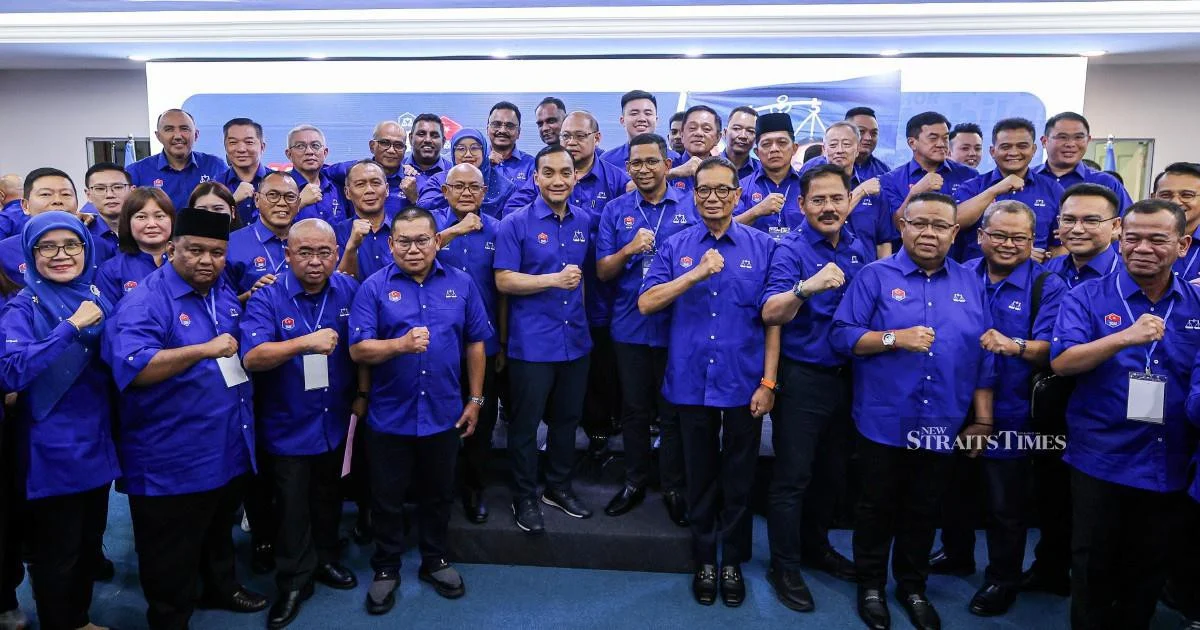
The Barisan Nasional coalition faces a critical test in Johor's upcoming state election on July 11, with a cohort of freshly selected candidates from the component parties declaring their resolve to secure victory for the long-dominant political grouping in the southern state. The emergence of these new faces marks a significant moment for BN in a state where it has held sway for decades, signalling an attempt to revitalise the coalition's appeal amid changing electoral dynamics in Malaysia.
Johor holds particular significance for Barisan Nasional's national standing. The state has long served as a political stronghold for the coalition, providing reliable electoral dividends that have bolstered its position at the federal level. However, recent electoral trends across Malaysia have demonstrated that established coalitions cannot rely on traditional voter loyalty, and the loss or narrowing of margins in traditional bastions carries serious implications for coalition strength in parliament. This reality underscores why the composition and calibre of candidates fielded by BN's component parties—UMNO, MCA, MIC, and others—matters considerably for the party machinery's prospects on polling day.
The commitment articulated by these newly selected candidates reflects broader generational tensions within Malaysia's established political structures. Barisan Nasional has faced persistent criticism for relying too heavily on ageing party hierarchies and familiar faces, a perception that has cost it electoral ground in urban areas and among younger voters. By promoting fresh candidates, the coalition appears intent on addressing this perception, though the effectiveness of such a strategy depends on whether these new figures can genuinely connect with voters or merely represent cosmetic change atop unchanged party machinery.
Johor's electoral landscape has evolved markedly over the past decade. The state witnessed rising opposition competitiveness in the 2018 general election and subsequent state and federal contests, suggesting that voter consolidation around BN cannot be assumed. The coalition's performance in Johor will significantly influence whether it can maintain parliamentary relevance and influence national policy directions. A strong showing would reinforce BN's claim to remain Malaysia's natural governing party, while weakness in the state would intensify internal party reckonings and faction struggles.
The timing of the July 11 election comes as Malaysia navigates complex post-pandemic economic challenges, including inflation pressures, employment uncertainties, and infrastructural demands. Voters increasingly evaluate political parties based on tangible economic delivery and credible policy articulation rather than historical brand loyalty alone. New candidates must therefore demonstrate substantive understanding of local economic concerns, development priorities, and social issues affecting their constituencies, not merely party allegiance or patronage networks.
Componentiser party dynamics within the Barisan Nasional framework also warrant attention in assessing the coalition's election prospects. UMNO's internal divisions and leadership transitions have occasionally spilled into public view, potentially complicating unified coalition messaging. The MCA and MIC, representing Chinese and Indian Malaysian communities respectively, face their own challenges in mobilising their respective voter bases against opposition parties that have made inroads among these constituencies. The synergy—or lack thereof—among coalition partners will substantially shape campaign effectiveness and final vote tallies.
Malaysia's electoral system and political culture have shifted markedly since BN's uninterrupted governance before 2018. Voters now regularly split their ballots between federal and state contests, voting differently based on specific grievances, personalities, and local issues rather than wholesale party allegiance. This fragmentation means that BN cannot rely on nationwide campaign machinery translating automatically into Johor gains; state-specific ground work, local candidate credibility, and addressing particular constituency concerns become paramount.
The new candidates' campaigns will inevitably centre on development narratives, positioning themselves as agents of continued progress and prosperity for Johor. However, opposition parties will equally emphasise governance accountability, fiscal transparency, and more inclusive approaches to state resources. The rhetorical battleground will likely pit BN's experience-and-stability messaging against opposition assertions that the coalition represents stagnation and entrenched interests disconnected from ordinary Johor voters' concerns.
For Southeast Asian observers, Johor's election outcome carries implications beyond Malaysia's borders. The state's economic dynamism, geographic proximity to Singapore, and cross-border commercial ties mean that political stability and governance quality matter for regional economic integration and bilateral relations. A BN victory would suggest that Malaysia's established political structures retain adaptability and resilience, while an opposition breakthrough would signal deeper structural shifts in Malaysian politics with potential ramifications for regional partnerships and economic policy coordination.
The freshness of BN's candidate slate must ultimately translate into vote-getting capacity and legislative competence to validate the coalition's renewal strategy. Voters will assess whether new faces merely represent repackaging of old approaches or genuine commitment to responsive, accountable governance. The July 11 election will provide tangible evidence of whether Johor remains reliably BN territory or whether the coalition faces fiercer competitive pressures than in previous election cycles.

