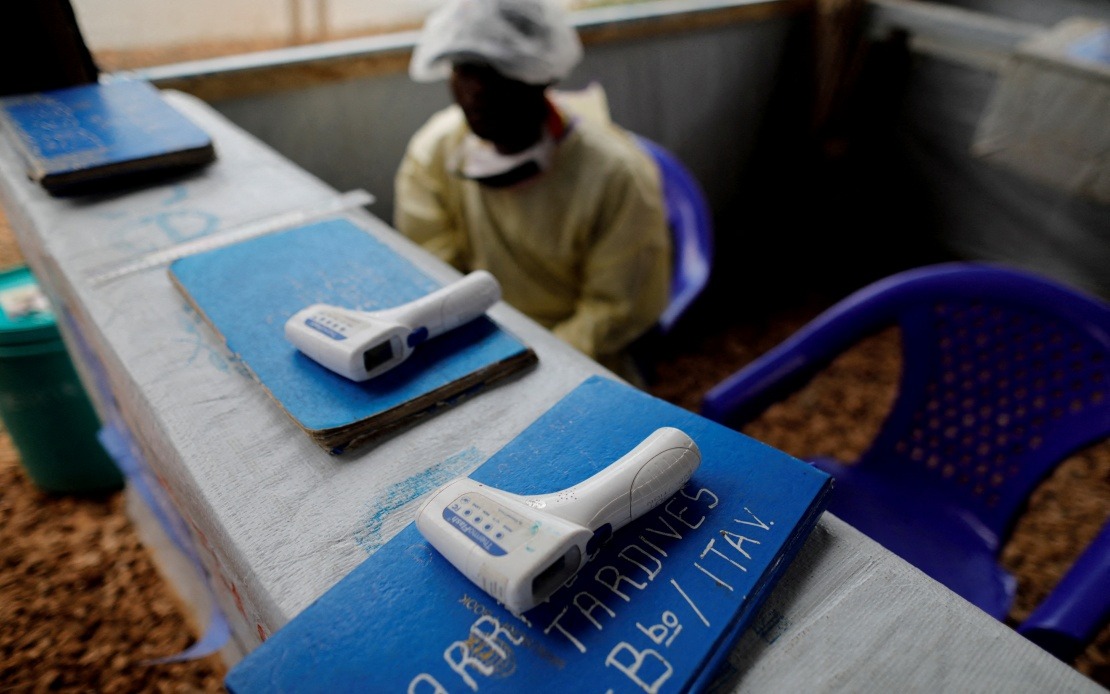
France has achieved a significant public health milestone with the successful recovery and discharge of its first confirmed Ebola patient, Health Minister Stéphanie Rist announced this week. The patient, a physician engaged in humanitarian work, returned to France on June 23 after contracting the virus in the Democratic Republic of the Congo, where a severe outbreak has been unfolding since mid-May. The case marks a crucial test of France's infectious disease containment protocols and demonstrates the effectiveness of rapid response and advanced medical intervention in managing viral haemorrhagic fevers in developed healthcare settings.
The humanitarian doctor's journey underscores the vulnerability of aid workers operating in regions grappling with disease crises. His decision to return to France rather than remain in the affected area reflects both his medical knowledge of symptom onset timelines and the importance of established protocols for managing potentially exposed personnel. Upon arrival, French health authorities immediately implemented isolation procedures and continuous medical monitoring, preventing any secondary transmission within the community. This swift action prevented what could have become a significant public health concern in a major European capital.
The patient's clinical trajectory provides reassuring data for epidemiologists and public health planners. Rather than deteriorating into the severe manifestations associated with high mortality rates, the individual experienced mild symptoms throughout the observation period. This presentation likely reflects several factors: his early detection due to heightened vigilance following exposure, the quality of supportive care provided by France's advanced healthcare infrastructure, and possibly his own health status prior to infection. The absence of severe illness allowed medical teams to manage his condition with standard isolation precautions rather than requiring the intensive interventions necessary in critical cases.
The Democratic Republic of the Congo's ongoing crisis provides the critical context for understanding France's situation. Since May 15, the Central African nation has confronted a major outbreak with devastating consequences for its population. Current government statistics reveal 438 deaths among 1,502 confirmed cases, representing a case fatality rate of approximately 29 percent. This ongoing emergency means healthcare workers and humanitarian staff operating in affected regions face persistent occupational hazards. The French case demonstrates how quickly individuals working in outbreak zones can transport the virus across continents, making international surveillance and rapid response mechanisms essential components of global health security.
For Malaysia and other Southeast Asian nations, this European case carries important implications for pandemic preparedness. The region's geographic proximity to endemic areas and increasing mobility between nations means that emerging infectious disease outbreaks elsewhere can reach Malaysian shores relatively quickly. The French response—immediate isolation, continuous monitoring, and coordinated medical care—represents a template that local healthcare systems could adapt to their own contexts. Malaysian health authorities have developed considerable expertise in managing infectious diseases, but cases like this reinforce the need for sustained investment in isolation facilities, trained personnel, and rapid diagnostic capabilities.
The successful outcome also underscores the critical role of advanced diagnostic capabilities in controlling viral outbreaks. France's ability to rapidly confirm the diagnosis allowed authorities to implement appropriate containment measures without delay. Early identification prevented the patient from potentially exposing contacts before his infectious status was established. For developing nations experiencing actual outbreaks, this diagnostic capacity represents a significant bottleneck. The Democratic Republic of the Congo's much higher case fatality rate partly reflects not only the virus's inherent virulence in that population but also delayed diagnosis, limited access to supportive care, and challenges in infection prevention within healthcare settings.
Minister Rist's public announcement of the patient's recovery carries symbolic importance beyond the individual case. By transparently communicating the positive outcome, French authorities demonstrated confidence in their health system's capabilities and reassured the public that Ebola, while serious, can be managed effectively within developed healthcare frameworks. This messaging is particularly important in countering potential fear and misinformation surrounding viral haemorrhagic fevers. In regions where public trust in health institutions may already be fragile, such transparent communication becomes even more crucial for maintaining cooperation with containment efforts.
The case also highlights the ongoing tension between humanitarian imperative and personal health security. The infected physician chose to work in one of the world's most challenging disease environments, accepting significant personal risk to provide medical care to affected populations. His infection represents a concrete cost of humanitarian engagement in outbreak zones. France's healthcare system's ability to treat him successfully reflects a global disparity in disease management capabilities—a reality that persists even as international organisations work to strengthen health systems in resource-limited settings.
Looking forward, this French case will likely inform ongoing discussions about protocols for healthcare workers returning from outbreak zones. Many developed nations have implemented or are considering enhanced screening procedures for individuals arriving from regions experiencing major disease outbreaks. The balance between thorough screening and operational efficiency in international travel remains a contentious issue in global health governance. France's management of this case—efficient detection and containment without creating panic—provides a model for other nations seeking to implement proportionate responses.
The recovery also serves as a reminder that even diseases with high mortality rates in outbreak settings can have markedly different outcomes when treated in facilities with adequate resources, trained staff, and appropriate isolation infrastructure. This disparity underscores the imperative for international cooperation in strengthening health systems globally. Without improvements in diagnostics, isolation capabilities, and clinical care in endemic and outbreak-affected regions, diseases like Ebola will continue to pose greater threats to local populations while remaining potential risks for international spread.

