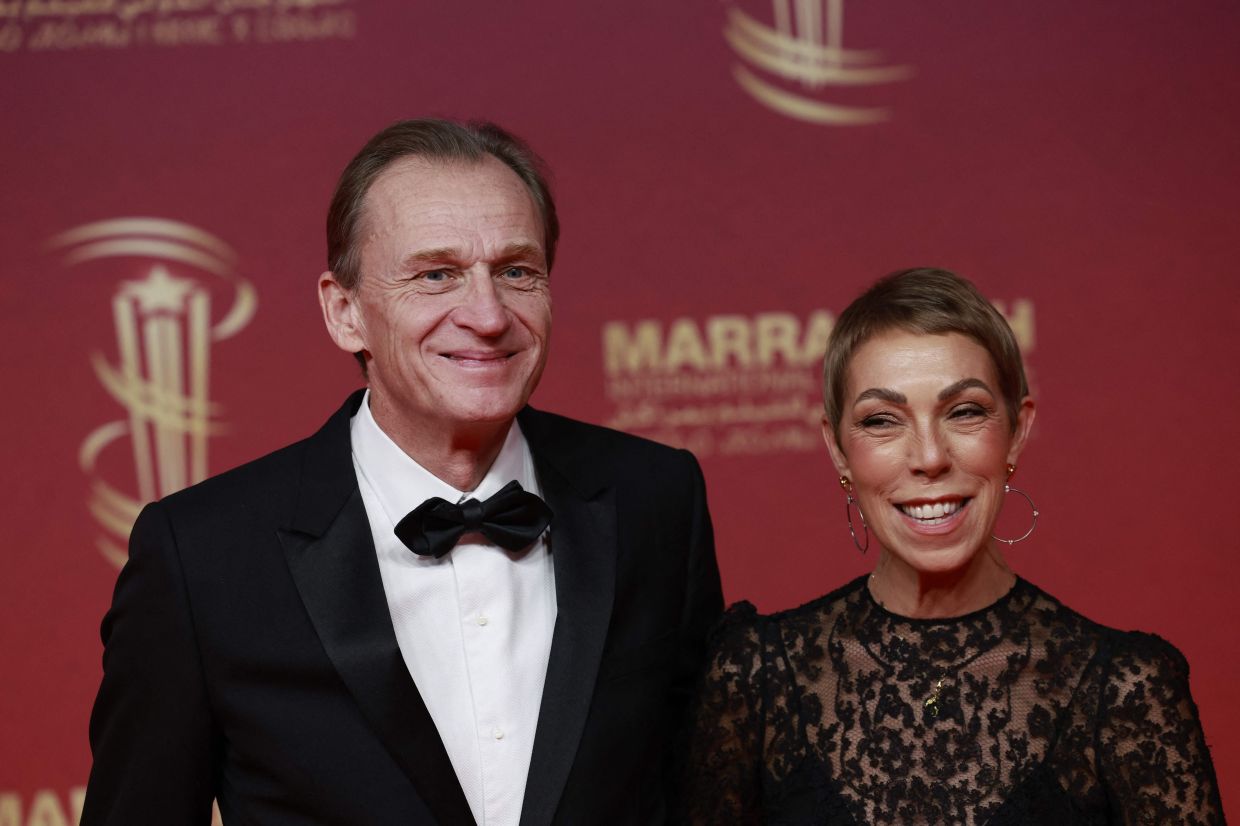
Two prominent figures in French entertainment and luxury fashion have been killed in a road collision in western France, marking a significant loss to both industries. Nicolas Altmayer, a 61-year-old film producer of considerable repute, and Mathilde Favier, 57, who held the position of head of public relations at the prestigious fashion house Dior, died when their vehicle struck an oncoming truck on Monday afternoon. The accident occurred in the Deux-Sevres department, with local authorities confirming the fatality on Tuesday through Nicolas Leclainche, deputy public prosecutor in Niort.
The circumstances of the collision reveal a tragic moment of misjudgement on the road. The couple's car was in the process of overtaking another vehicle when it encountered the truck travelling in the opposite direction. The impact of the collision proved fatal for both occupants, and the incident raises fresh questions about road safety on French provincial highways where such overtaking manoeuvres frequently occur.
Altmayer's career in French cinema earned him considerable recognition across the industry. Alongside his brother Eric, he founded and headed Mandarin & Compagnie, a production company responsible for bringing several notable projects to the screen. The brothers' work garnered significant institutional approval when they were jointly awarded the Daniel Toscan du Plantier Prize in 2017, recognising them as France's best producers of the year. This accolade, presented by France's equivalent to the Academy Awards, placed them among the country's most accomplished filmmakers and reflected their ability to navigate both commercial appeal and artistic credibility.
Favier's role at Dior represented the pinnacle of public relations work within the global luxury sector. As head of communications for one of the world's most prestigious fashion brands, she occupied a position of considerable influence and responsibility. Her tenure at the house allowed her to shape how one of France's most iconic luxury exports presented itself to the world, a responsibility that demanded both strategic acumen and deep understanding of contemporary media dynamics.
The loss of this couple carries particular poignancy given their apparent bond and complementary positions within France's cultural and commercial landscape. They represented different but equally vital spheres of French global influence: Altmayer embodied the nation's film industry traditions, while Favier exemplified French excellence in luxury goods and fashion. Together, they symbolised the interconnected nature of French cultural prestige.
Reactions from across the entertainment, fashion, and political spheres have poured in, underscoring the esteem in which both individuals were held. Jean Dujardin, the Oscar-winning French actor who collaborated with Altmayer on film projects, expressed profound grief over the loss of the couple, noting their mutual affection and the shock felt by those who knew them. His statement captured the personal relationships that bind the French creative community together.
France's Culture Minister Catherine Pegard issued an official tribute acknowledging Altmayer's exceptional talents as a filmmaker. She characterised him as a producer possessing remarkable discernment, capable of orchestrating ambitious projects that married popular entertainment with serious artistic endeavour. The minister's recognition of Altmayer's ability to balance these often competing demands highlighted his unique position within French cinema, where the tension between commercial viability and auteur sensibilities remains constantly negotiated.
Pegard's statement extended equally to Favier, whom the minister described as embodying a different manifestation of French cultural achievement. By highlighting Favier's work in fashion and luxury, Pegard underscored the reality that France's global standing rests not solely on cinema and art, but equally on the dominance of its fashion and luxury goods industries. This positioning reflects how intimately connected these sectors remain within France's economic and cultural strategies.
Bernard Arnault, chief executive of LVMH, the global luxury conglomerate that owns Dior, paid public tribute to Favier through the brand's official social media channels. Arnault's statement recognised Favier's long tenure with the house and her unwavering commitment to advancing Dior's interests through her communications expertise. His acknowledgement of her dedication reflects how integral skilled public relations professionals have become to managing luxury brand perception in an age of intense media scrutiny and rapid information dissemination.
For Malaysian readers and Southeast Asian audiences, the incident holds broader relevance beyond the immediate tragedy. Both the film industry and luxury fashion sector carry significance for the region's own creative ambitions and consumption patterns. France's continued dominance in both fields, exemplified by producers like Altmayer and communications executives like Favier, demonstrates the sustained global influence these industries command. The loss of experienced professionals in these spheres ripples beyond national borders, affecting the international network of collaborators and competitors who engage with French cultural exports.
The accident also serves as a sobering reminder of road safety challenges that persist across Europe and globally, even in developed nations with established traffic regulations. The fatal collision illustrates how quickly circumstances can turn tragic, regardless of an individual's professional status or accomplishment. Such incidents underscore the universal vulnerability that exists on roadways, transcending borders and social status.
As France and the international community mourn the loss of Altmayer and Favier, their legacies will continue through the projects they shepherded and the influence they wielded over French cultural output. Their partnership, both personal and professional, represented a particular vision of French excellence spanning entertainment and fashion. The circumstances of their deaths may have been sudden and unforeseen, but their contributions to their respective fields remain enduring.

