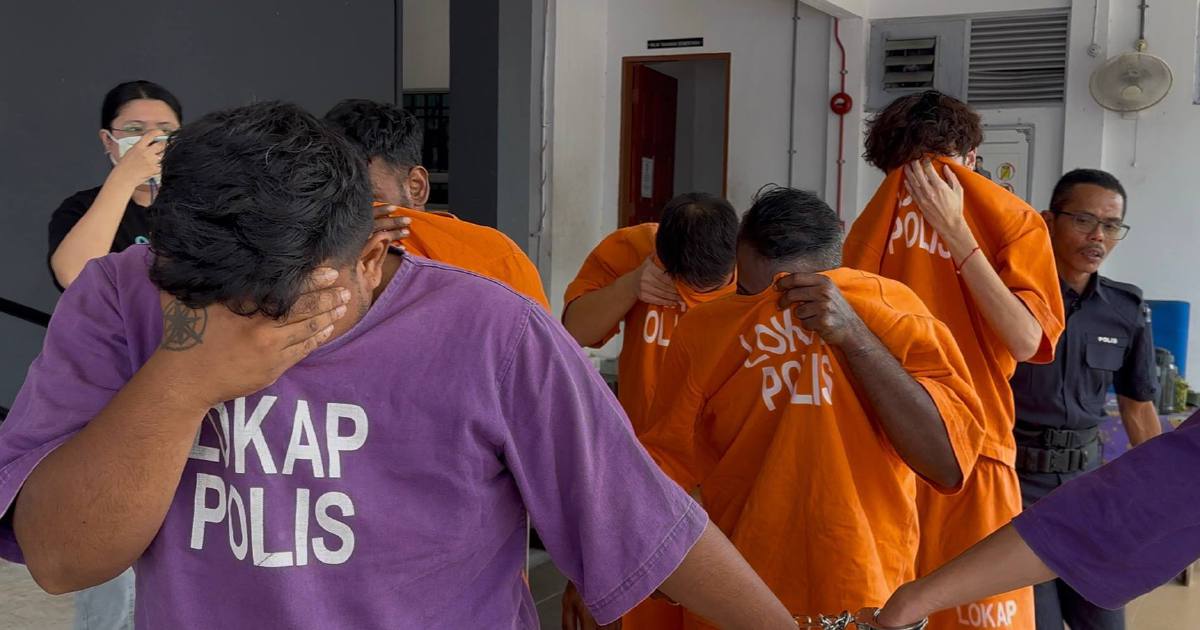
Four suspects currently held in police remand are scheduled to be charged tomorrow at the Batu Pahat magistrate's court with the murder of a businessman, marking a significant development in an investigation that has gripped the southern Johor district over recent weeks. The formalization of charges represents the culmination of preliminary investigative work and signals prosecutors' confidence in the sufficiency of evidence gathered against the accused men.
The businessman's death, which occurred last month, triggered an intense police operation that resulted in the apprehension and remand of the four suspects. Law enforcement authorities have been methodically building their case, conducting interviews, gathering forensic evidence, and reconstructing the circumstances surrounding the incident. The move to formal charges indicates that investigators and public prosecutors believe they have established sufficient grounds to proceed with criminal proceedings in court.
Batu Pahat, a major commercial and industrial hub in Johor's western region, has experienced heightened security awareness following the incident. Such cases frequently draw significant attention from the local business community, residents, and civil society organizations concerned about public safety and the efficacy of law enforcement. The case underscores ongoing challenges related to violent crime in Malaysia's urban and semi-urban areas, despite broader efforts to enhance public security.
The magistrate's court appearance tomorrow will be a crucial procedural juncture. During this hearing, the prosecution will formally present charges and outline the allegations against each defendant. The court will then consider whether to grant bail or maintain remand pending trial proceedings. Defence counsel will have the opportunity to respond to the allegations and present arguments regarding bail conditions or remand status. The outcomes of these proceedings will significantly influence the trajectory of the case moving forward.
Malaysia's criminal justice system mandates that serious offences such as murder proceed through this formal charging process in the magistrate's court before potential committal to the higher courts for trial. This procedural safeguard ensures that accused individuals are formally informed of charges against them and afforded the opportunity to contest the allegations through legal representation. The magistrate's role in evaluating whether sufficient evidence exists to proceed is a critical checkpoint within the broader judicial framework.
The involvement of four suspects in a single incident raises several investigative and legal questions that will likely unfold during court proceedings. The precise roles and responsibilities of each individual, whether charged as principal offenders or accomplices, and the nature of cooperation or coordination among them, will become clearer as evidence is presented. The prosecution will need to establish culpability according to Malaysian criminal law, which recognizes distinctions between direct perpetrators and those who aid, abet, or participate in the commission of offences.
For the Batu Pahat business community and the victim's family, tomorrow's court appearance represents a step toward accountability and justice, though the formal charging stage is merely an early phase in what could be a lengthy judicial process. Murder cases in Malaysia typically involve complex investigations and prolonged court proceedings, with trials often extending over several months or years. The family and associates of the deceased will likely be monitoring developments closely as the case progresses through the courts.
The incident also carries broader implications for discussions surrounding personal security and workplace safety among business owners in Johor. Commercial disputes, business rivalries, or other tensions occasionally escalate into violence, prompting calls for enhanced security measures and conflict resolution mechanisms. Community leaders and law enforcement officials often use high-profile cases as opportunities to reinforce messages about peaceful dispute resolution and the severe legal consequences of resorting to violence.
From a public order perspective, the swift apprehension of suspects and advancement to formal charges demonstrates investigative effectiveness and the capacity of authorities to respond to serious crimes in the state. Johor Police have invested substantially in investigative infrastructure and personnel training, contributing to improved case resolution rates in recent years. Public confidence in the ability of law enforcement to identify and apprehend those responsible for violent crimes remains an essential element of community trust and cooperation.
The formal charging tomorrow will also set the stage for the actual presentation of evidence and legal arguments. The defence will begin to understand the specifics of the prosecution's case, including witness testimony, forensic findings, and other evidentiary materials. This discovery process is fundamental to ensuring that defendants have adequate opportunity to mount a robust defence and that the eventual outcome, whatever it may be, reflects a fair and thorough examination of the facts and legal principles involved.
As the case moves forward, attention will likely focus on the quality of evidence, the credibility of witnesses, and the effectiveness of legal representation on both sides. These factors will ultimately determine the outcome and whether the charges result in convictions, acquittals, or other judicial determinations. The case serves as a reminder of the complex interplay between public safety, criminal justice processes, and the legal protections afforded to both victims and the accused within Malaysia's judicial system.

