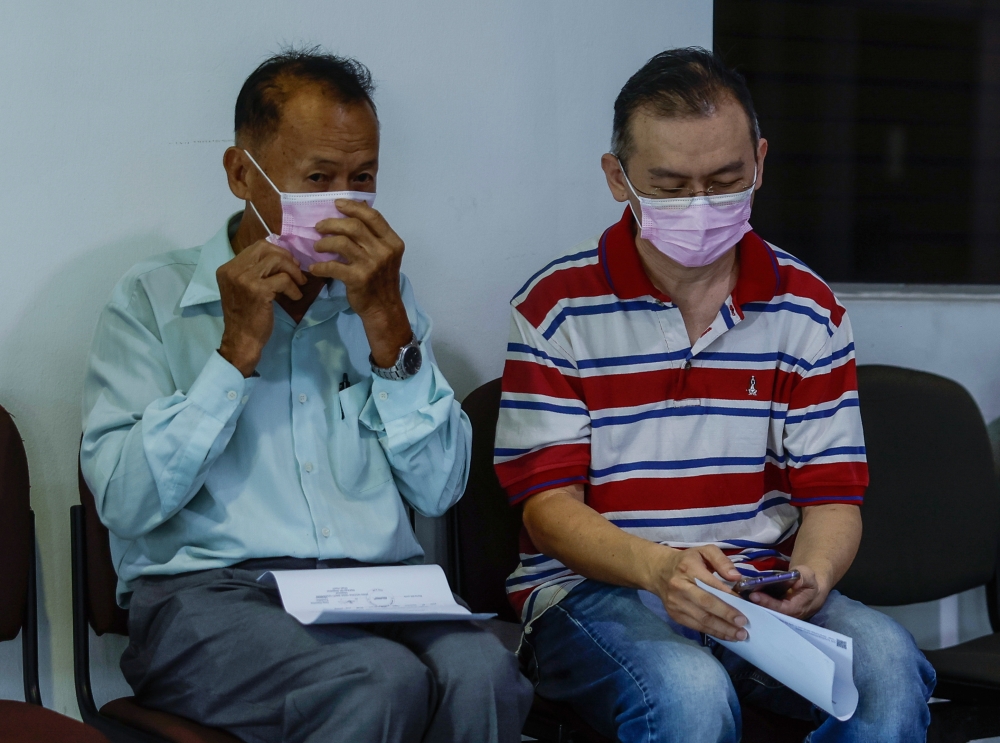
Four individuals made their first appearance in Shah Alam Sessions Court on Wednesday charged with submitting false statements in applications to Perkeso Daya Kerjaya 2.0, the Social Security Organisation's employment skills development initiative. The charges underscore growing scrutiny of verification processes within government-backed vocational and job training schemes that serve thousands of Malaysian workers annually seeking skill enhancement opportunities.
The Perkeso Daya Kerjaya 2.0 programme represents a significant investment by the federal government in workforce development, offering subsidised training courses and career guidance to eligible participants across multiple sectors. By channelling support through the Social Security Organisation, the initiative aims to improve employability and wage competitiveness among Malaysia's working population. Any breach of programme integrity through falsified applications directly undermines the government's ability to target resources effectively and raises questions about whether genuine beneficiaries are being reached.
Fraud cases involving statutory body programmes are relatively uncommon but carry particular significance because they affect public confidence in social safety nets and skill development initiatives. When individuals circumvent eligibility requirements through false declarations, they potentially displace legitimate applicants and divert limited government resources from intended purposes. This particular case emerged from investigations into application submissions, indicating that authorities have begun examining documentation more rigorously across similar schemes.
The social security ecosystem in Malaysia encompasses multiple programmes designed to protect workers and facilitate their professional advancement. Perkeso Daya Kerjaya 2.0 specifically targets those seeking to upgrade competencies in a rapidly changing employment landscape where technical skills and certification increasingly determine career prospects. Fraud within such systems represents both a criminal matter and a governance challenge requiring systematic improvements to verification procedures without creating excessive bureaucratic barriers for legitimate applicants.
These charges arrive amid broader national conversations about accountability in public programmes following various corruption cases involving government agencies and statutory bodies. The Sessions Court action demonstrates that enforcement mechanisms exist and are being activated, though critics argue that detection rates remain relatively low compared to the potential scale of fraud opportunities across multiple government assistance channels. The judicial process will reveal details about how the fraudulent applications were structured and what safeguards failed to prevent their initial acceptance.
For Malaysian workers and jobseekers considering participation in Perkeso Daya Kerjaya 2.0 or similar initiatives, the case emphasises the importance of providing accurate information in all official submissions. Beyond individual consequences, systemic weaknesses in application verification create perverse incentives and may inadvertently encourage others to believe such schemes are poorly monitored. Malaysian authorities appear committed to addressing this through prosecution, which serves as a deterrent and reassurance that standards are being enforced.
The Perkeso system serves millions of Malaysian workers through various protection schemes, including disability benefits, occupational disease coverage, and employment injury provisions alongside development programmes like Daya Kerjaya 2.0. Maintaining public trust in these mechanisms requires consistent demonstration that resources are allocated fairly and that fraudulent attempts face meaningful consequences. The court proceedings will likely establish important precedent regarding penalties and sentencing expectations for similar offences involving statutory bodies.
From a regional perspective, Malaysia's approach to policing government assistance programmes reflects trends across Southeast Asia where authorities increasingly scrutinise social expenditure in response to fiscal pressures and demands for greater transparency. Countries throughout the region face similar challenges balancing programme accessibility with fraud prevention, and enforcement actions like those in Shah Alam inform best practices in documentation verification and oversight structures that neighbouring nations monitor closely.
The investigation methodology and prosecution strategy employed in this case may prompt Perkeso and other statutory bodies to review their application processing procedures, staff training, and document authentication protocols. Implementing stronger verification mechanisms without substantially increasing processing times represents a key challenge for programme administrators seeking to maintain public confidence while preserving user-friendly access. Technology solutions including digital verification and cross-database checking could enhance detection capabilities while reducing manual review burdens.
Looking ahead, the court's determination and any sentencing imposed will establish clear parameters regarding consequences for programme fraud, influencing both public behaviour and enforcement prioritisation across government. Malaysian workers deserve assurance that development opportunities reach deserving individuals and that public resources support genuine skill enhancement efforts. As the case proceeds through judicial channels, its outcomes will offer insights into whether current enforcement levels adequately protect scheme integrity or whether additional preventive measures require implementation across Malaysia's broader social security and employment development infrastructure.

