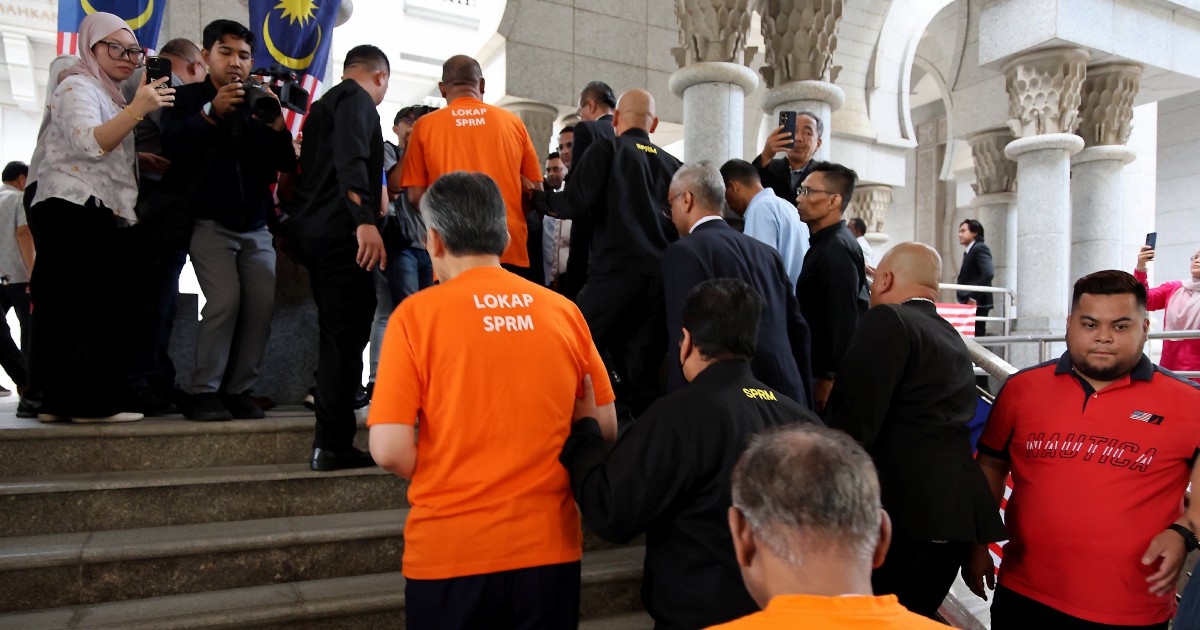
The Malaysian Anti-Corruption Commission has successfully obtained court approval for a four-day remand extension targeting a former chief executive officer of Tabung Haji, the country's pilgrimage savings institution. The decision, handed down in Putrajaya, represents a significant development in the anti-corruption body's investigation into alleged irregularities at the fund, which manages deposits and organises pilgrimages for Malaysian Muslims.
Tabung Haji has occupied considerable public attention following multiple revelations of financial mismanagement and governance failures that prompted calls for institutional reform. The fund, which holds billions of ringgit in savings from millions of Malaysian pilgrims, operates under considerable scrutiny given its direct relationship with Malaysia's Muslim population and its role as a trusted financial intermediary. The extended remand suggests investigators believe they require additional time to gather evidence and conduct interviews pertaining to specific allegations under examination.
The arrest and ongoing detention of a top-level executive signals the seriousness with which authorities are treating the matter. Former executives of major institutions frequently enjoy considerable legal resources and may provide detailed testimony regarding decision-making processes, approval chains, and financial transactions that require methodical investigation. The additional four-day period allows investigators to cross-reference statements, review documentation, and potentially identify connections to other individuals or transactions of investigative interest.
Tabung Haji's governance challenges came into sharp focus following a government-commissioned Royal Commission of Inquiry that examined the institution's operations over recent years. The RCI findings identified substantial concerns regarding investment decisions, procurement practices, and oversight mechanisms that permitted questionable transactions to proceed without adequate checks. Multiple parties across the political and business spectrum faced criticism for their roles in allowing such circumstances to develop and persist unchecked.
The Anti-Corruption Commission's active pursuit of these matters reflects the government's stated commitment to investigating financial crimes regardless of the seniority or prominence of those involved. Malaysia has implemented enhanced anti-graft enforcement in recent years following high-profile scandals that damaged public confidence in institutional integrity. Symbolic prosecutions of prominent figures serve important deterrent functions within the broader anti-corruption framework, though observers note that successful convictions require meticulous evidence-gathering and comprehensive legal preparation.
For Malaysian pilgrims and the broader Muslim community that relies on Tabung Haji's services, these investigations carry profound implications. The fund's reputation for trustworthiness directly influences citizen confidence in government-affiliated financial institutions and pilgrimage arrangements. Transparent investigation and appropriate accountability mechanisms help restore confidence that mismanagement will not recur, though reputational recovery typically requires sustained institutional reform alongside personnel changes.
The remand extension process involves judicial oversight, with courts evaluating whether investigators have established sufficient grounds for continued detention and whether the extension timeline appears reasonable relative to investigation scope. Malaysian courts have demonstrated increasing scrutiny of remand applications in recent years, requiring demonstrable investigation progress rather than blanket approvals. The successful extension suggests the investigating team presented evidence of legitimate investigative necessity to judicial officers.
Corruption involving pilgrimage funds carries particular resonance in the Malaysian context given the religious significance of the Hajj and the vulnerability of pilgrims who entrust substantial savings to these institutions. International media has occasionally highlighted concerns regarding pilgrimage fund management in Muslim-majority countries, making Malaysia's investigations particularly notable as examples of domestic accountability mechanisms functioning independently. These cases also intersect with broader governance discussions about separating political influence from financial institution management.
The investigation's continuation reflects broader anti-corruption priorities within Malaysia's enforcement framework. Multiple agencies coordinate on complex financial crimes involving large institutions, cross-referenced transactions, and senior personnel. The extended remand allows investigators to pursue parallel investigative tracks, consult relevant documentation held by third parties, and potentially pursue additional leads that may have emerged during initial questioning phases.
As the investigation progresses, attention will likely focus on whether charges follow the remand period and what specific allegations authorities ultimately pursue. The outcomes of these cases establish important precedents regarding institutional accountability and may influence governance reforms at other government-linked investment vehicles. Malaysians will be watching closely as the legal process unfolds, given the direct impact on the pilgrimage arrangements and savings security for millions of citizens.

