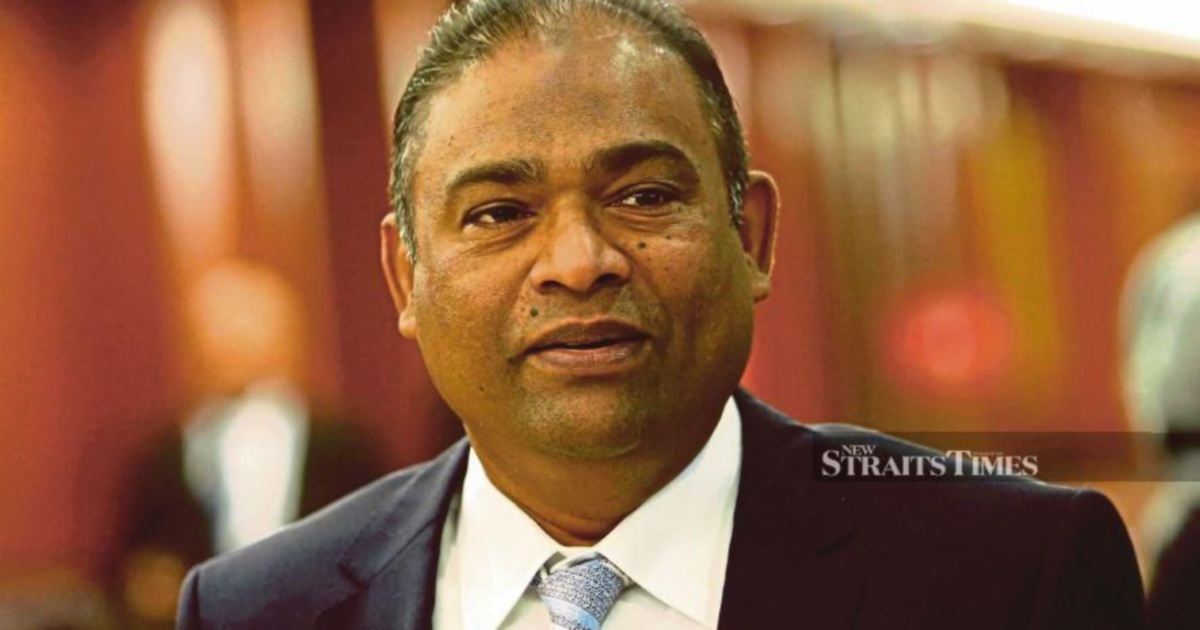
Family members of Datuk Seri Abdul Azeez Abdul Rahim, who previously led Tabung Haji—one of Malaysia's largest Islamic financial institutions managing pilgrimage funds—have issued a statement refuting widespread reports that the former executive was taken into police custody by the Malaysian Anti-Corruption Commission. According to his son Mohamed Khairul Azman, no such arrest occurred, prompting a clarification regarding the nature of his father's contact with the graft-fighting agency.
The statement comes amid heightened public interest surrounding the management of Tabung Haji, which handles billions of ringgit belonging to Malaysian pilgrims. The institution has faced scrutiny over its financial performance and governance practices in recent years, with various stakeholders expressing concern about fund management and investment decisions. Any involvement of its former leadership with anti-corruption authorities naturally attracts significant attention given the scale of public money entrusted to the organization and the sensitivity of its mandate.
Clarifications of this nature underscore the importance of precise terminology when discussing interactions between individuals and enforcement agencies. The distinction between an arrest, a voluntary appearance, questioning, or other forms of engagement carries legal significance and shapes public understanding of any investigation. Mohamed Khairul Azman's intervention suggests that initial media reporting or social media commentary may have mischaracterized the nature and scope of his father's engagement with the MACC.
Tabung Haji itself has experienced considerable turbulence, including significant investment losses that exceeded expectations and sparked parliamentary inquiries. The pilgrimage fund manager has undergone leadership changes and internal restructuring as the organization attempts to restore public confidence and improve financial returns for its contributors, many of whom are ordinary Malaysian Muslims preparing for the Hajj pilgrimage or maintaining savings accounts within the institution.
The MACC, formally known as the Malaysian Anti-Corruption Commission, operates with broad investigative powers and regularly conducts inquiries into matters involving public funds and corporate governance. Its engagement with current and former executives of major institutions is routine, and such interactions do not automatically indicate wrongdoing or legal jeopardy. Nevertheless, public perception often conflates investigation with accusation, making timely and accurate communication essential for protecting reputations and maintaining institutional trust.
For a former chairman of Tabung Haji to encounter anti-corruption authorities would naturally be expected to generate intense speculation. The institution's centrality to Malaysian Islamic finance, its fiduciary responsibilities toward millions of pilgrims, and the public interest in ensuring proper governance all combine to make any such development newsworthy. This underscores why the family felt compelled to issue a formal denial and seek to correct the record regarding what transpired.
The matter highlights broader governance challenges facing Malaysian institutions managing public and semi-public funds. As stakeholder scrutiny intensifies and media attention focuses increasingly on institutional leadership, clarity in communication between authorities, families, and the public becomes critical. Misunderstandings can damage reputations and erode institutional credibility even when subsequent clarifications establish the absence of formal charges or arrests.
Tabung Haji's complexity as both a financial institution and a religious trust scheme creates additional layers of accountability. Contributors view their participation not merely as investment but as fulfillment of Islamic obligations, raising expectations regarding transparency and ethical management. Any perception of impropriety, whether substantiated or not, resonates beyond conventional corporate governance concerns and touches upon religious and cultural dimensions that amplify public reaction.
The MACC's independence and mandate to investigate graft-related matters across government and quasi-government institutions remain central to Malaysia's broader anti-corruption framework. Routine inquiries by the commission should not be interpreted as prejudicial to any individual, yet the politicized environment surrounding anti-corruption enforcement in Malaysia means that involvement with such agencies often carries reputational implications regardless of ultimate outcomes. This dynamic makes accurate reporting and timely clarification particularly valuable for those whose conduct attracts official scrutiny.
Going forward, the clarification from Abdul Azeez's family may serve to dampen speculation and allow Tabung Haji to focus on its ongoing recovery and strategic reorientation. The institution remains under considerable pressure to demonstrate improved governance, financial discipline, and returns to contributors amid an investment landscape marked by volatility and rising expectations from its stakeholders across the region.

