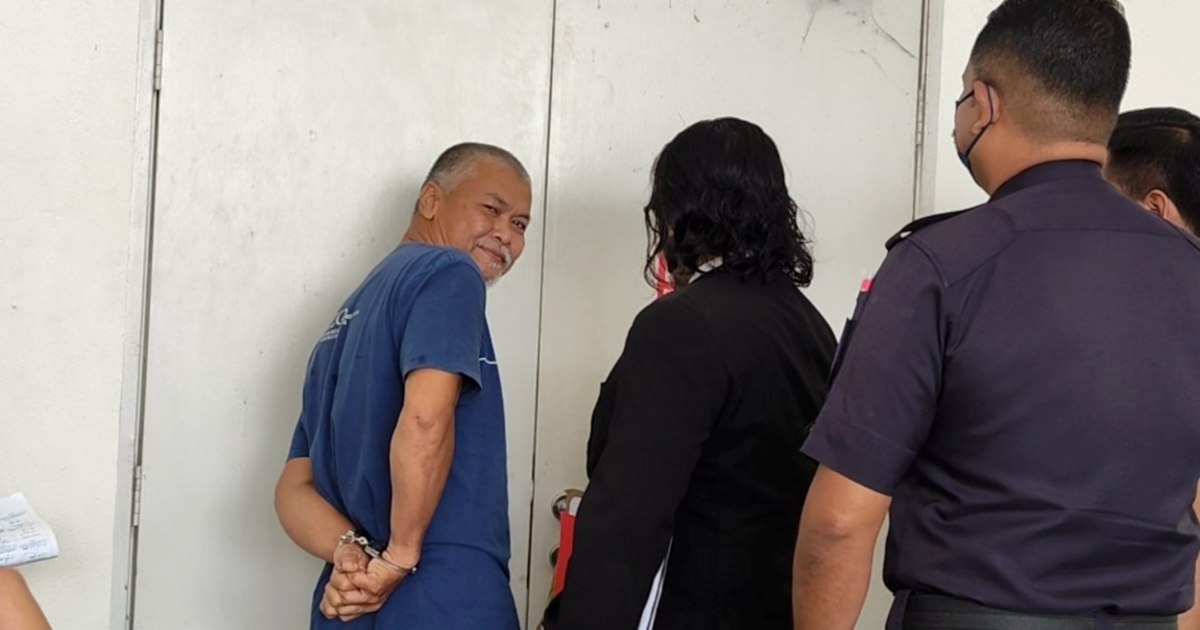
A retired military personnel appeared in court in Kangar today facing serious charges connected to the unauthorised possession of weapons and ammunition, marking a significant case in regional firearms enforcement. The accused was arraigned in both the Sessions Court and magistrate's court on five separate counts related to the discovery of a substantial weapons cache earlier in the month, highlighting ongoing concerns about illegal armaments circulating outside proper regulatory channels.
The charges encompass multiple categories of illegal weaponry, including actual firearms and realistic imitation weapons, along with what authorities describe as hundreds of rounds of live ammunition held without proper authorisation. The specificity of these counts suggests law enforcement conducted a thorough investigation before bringing charges, examining not only what was discovered but also the legal status and circumstances surrounding each item. Such multifaceted charges are typical in Malaysian firearms cases where individuals accumulate varied weapons alongside supporting munitions.
The location of the prosecution in Kangar, the capital of Perlis in northern peninsular Malaysia, points to a case that garnered sufficient concern at the state level to warrant both general and higher-court jurisdiction. The dual proceeding through magistrate and Sessions Court tracks reflects the seriousness with which authorities are treating the matter, as Malaysian law permits such parallel hearings for complex firearms-related offences. This approach allows magistrates to handle initial procedures while the Sessions Court stands ready for more substantial sentencing considerations should conviction occur.
The defendant's background as a former soldier adds a particularly sensitive dimension to the case. Military experience and firearms training, combined with access to weapons knowledge, creates heightened concerns in law enforcement circles regarding the potential misuse of such expertise. Malaysian authorities maintain strict protocols around military personnel, both active and retired, who hold weapons outside official channels, recognising that specialised training could theoretically amplify risks associated with illegal possession. This profile may explain the apparent thoroughness of the investigation and swift movement through the court system.
The discovery of hundreds of rounds of ammunition alongside the firearms indicates planning or accumulation beyond casual possession. Ammunition is carefully controlled under Malaysian law, with legitimate acquisition typically restricted to licensed gun owners with documented purposes. The quantity found suggests either long-term hoarding or preparation for sustained use, neither of which would align with lawful civilian possession frameworks. Authorities appear to have treated the ammunition cache with equivalent seriousness to the firearms themselves, recognising that munitions without legitimate ownership pathways represent a distinct offence and heightened public safety concern.
Imitation weapons feature prominently among the charges, a category that reflects evolving Malaysian legal perspectives on replica firearms. While some jurisdictions distinguish sharply between functional weapons and non-functional replicas, Malaysian law takes a cautious approach, particularly regarding realistic imitations that could pose confusion or safety risks. The inclusion of imitation weapon charges alongside live firearms suggests the accused possessed a diverse arsenal spanning functional and non-functional categories, further complicating any potential legal defence based on claims of innocent possession.
The timing of discovery early in the month, followed by rapid court proceedings, suggests either a well-executed investigation or a significant incident that triggered law enforcement response. In either scenario, the swift movement from discovery to charges demonstrates the Malaysian legal system's capacity to process serious weapons cases expeditiously when public safety concerns are evident. This efficiency contrasts with some other jurisdictions where similar cases can languish in preliminary stages for extended periods.
For Malaysian readers and regional observers, this case illustrates the ongoing challenge of controlling illegal weapons outside official military and police frameworks. Despite relatively restrictive civilian firearm policies in Malaysia, periodic discovery of substantial weapon caches indicates that illicit markets and individual accumulation still occur. The involvement of a person with military background reinforces that education and legitimate training do not guarantee law-abiding conduct, a reality that informs how authorities approach vetting and monitoring of former military personnel.
The prosecution carries potential sentencing implications that extend beyond the individual case. Convictions in firearms possession matters in Malaysia typically result in substantial prison terms and mandatory forfeiture of weapons. The Sessions Court's involvement suggests prosecutors are seeking penalties within their jurisdiction, potentially including extended incarceration reflecting the severity and quantity of offences. The outcome will send signals about enforcement priorities and judicial attitudes toward illegal weapons possession during a period when regional security concerns remain elevated.
The case also raises questions about how illegal weaponry enters civilian circulation and what motivated this particular accumulation. Whether the source involved diversion from legitimate channels, theft, or other acquisition methods could influence public understanding of security vulnerabilities. Authorities investigating such cases typically pursue not only the possessor but also the supply chain, recognising that individual prosecutions address only symptoms rather than underlying trafficking networks. Successful regional security requires disrupting sources alongside deterring possession through visible enforcement like this prosecution.

