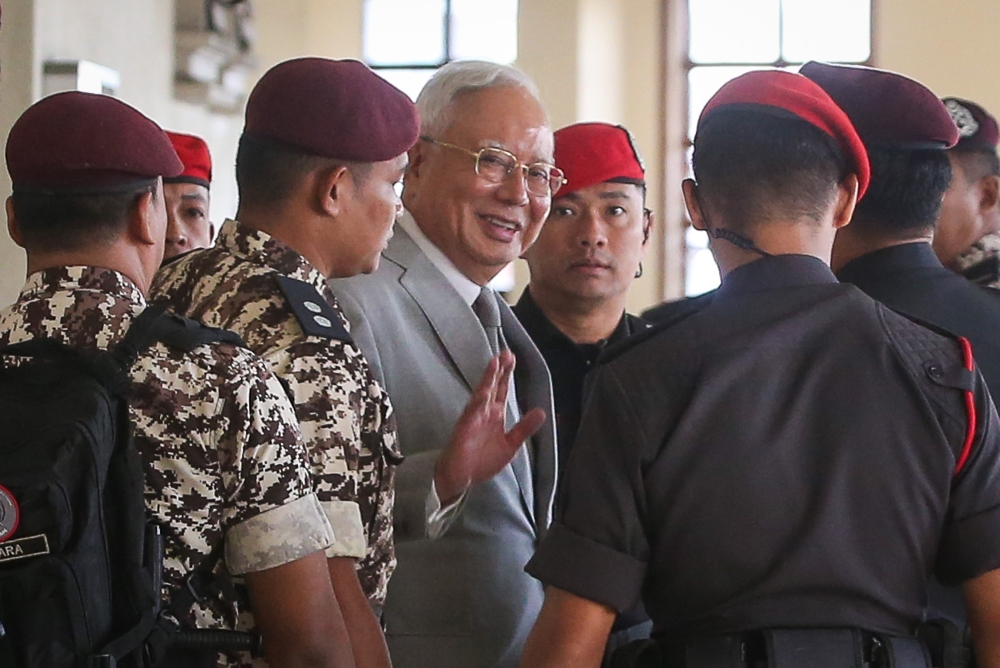
Datuk Seri Najib Razak, Malaysia's former prime minister, will be receiving cardiac treatment, his legal representatives announced this week in Kuala Lumpur. The confirmation marks a significant personal development for the prominent political figure who has remained in the public eye despite the various legal challenges he has faced in recent years.
The former prime minister's lawyer confirmed the impending medical procedure without providing extensive details regarding its specific nature or scheduled timing. Such announcements typically signal a need for the individual to manage health concerns proactively, and in cases involving public figures, advance notification often serves to inform relevant authorities and stakeholders who may be involved in ongoing proceedings or obligations.
Najib's health situation comes at a time when Malaysia's political landscape continues to evolve following his tenure as the country's chief executive from 2009 to 2018. His administration oversaw significant developments in Malaysian economic policy and regional diplomacy, though his later years in office became increasingly defined by controversial decisions and allegations that would dominate the subsequent decade.
The former leader's legal journey has been complex and closely followed by Malaysian media and international observers. Multiple high-profile cases have navigated through the Malaysian courts, drawing considerable public attention and generating substantial debate about governance, accountability, and the rule of law in Southeast Asia's third-largest economy.
For Najib personally, the announcement of medical intervention reflects the very human dimension often overlooked in political discourse. Regardless of past controversies or future legal outcomes, health challenges affect individuals across all societal strata, and the confirmation that he requires cardiac procedures underscores the universal nature of medical necessity.
The disclosure by his legal team represents standard practice in Malaysian legal proceedings, where material changes in a defendant's or principal's circumstances may require formal notification. Courts and legal authorities typically need to be informed of significant health matters that might impact attendance at proceedings, testimony capacity, or other court-related obligations.
From a broader perspective, Najib's situation illustrates how former political leaders in Malaysia transition from office to civilian life while managing various legal and personal matters simultaneously. The country's post-2018 era has witnessed several prominent figures navigating complex legal terrain, reflecting the judicial system's engagement with issues of constitutional significance and political accountability.
The medical procedure, once completed, will likely require a recovery period during which Najib may need to manage his various obligations and commitments accordingly. Such procedures are increasingly routine in modern medicine, with high success rates and well-established recovery protocols that allow most patients to return to normal activities within defined timeframes.
Malaysia's legal system has demonstrated its capacity to handle cases involving high-profile individuals while accommodating legitimate personal circumstances. Courts have previously adjusted schedules and proceedings when health matters have arisen, balancing the administration of justice with recognition of individual welfare needs.
The confirmation also occurs within Malaysia's broader political context, where questions of leadership accountability, institutional strength, and democratic processes remain subject to ongoing public discourse. The country's commitment to transparent legal procedures has been tested repeatedly, yet the system has generally proceeded with cases through their full courses despite political sensitivities.
Looking forward, Najib's recovery from the planned procedure will be a matter of personal concern and, given his public prominence, likely subject to public interest as well. However, the focus on his health needs temporarily shifts attention from the purely political and legal dimensions of his circumstances toward the humanitarian realities that transcend partisan debate.
The announcement serves as a reminder that political figures, regardless of their historical roles or current legal status, remain subject to the same medical exigencies as ordinary citizens. How such personal challenges intersect with public obligations and ongoing legal proceedings continues to raise interesting questions about institutional flexibility, human dignity, and the pragmatic management of complex situations in modern democracies.

