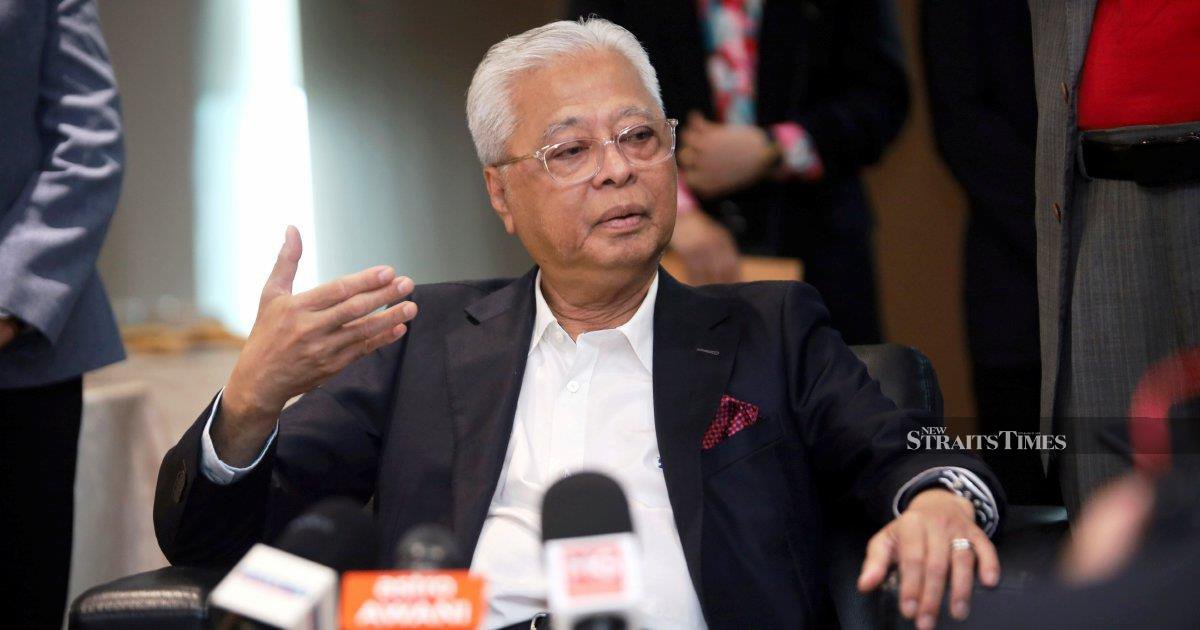
The legal proceedings involving former prime minister Datuk Seri Ismail Sabri Yaakob have been rescheduled to accommodate a scheduled medical procedure. The Kuala Lumpur court has deferred the former leader's charge reading and formal plea recording to August 27, granting him time to receive a pacemaker implant before facing the court.
The postponement reflects the judiciary's recognition that criminal proceedings must yield when defendants face significant health circumstances. Pacemaker implantation is a serious cardiac intervention requiring substantial recovery time, making the adjournment a practical necessity rather than merely a courtesy extension. The timing of such medical procedures cannot typically be rushed, particularly for public figures whose cases often attract heightened scrutiny and media attention.
Ismail Sabri's situation adds another chapter to the ongoing legal challenges facing Malaysia's political leadership. The country has witnessed an unprecedented period of judicial activity targeting senior politicians in recent years, with multiple former prime ministers facing various criminal charges. This pattern has raised questions about the independence of the judiciary and the selective nature of prosecutions, though courts maintain that each case is handled according to established legal procedures and evidence presented.
For Malaysia's political landscape, the postponement means a temporary reprieve from further courtroom drama involving the former prime minister. His administration, which lasted from August 2021 until November 2022, was characterised by volatile coalition politics and challenged governance amid the country's recovery from the COVID-19 pandemic. The transition period and change of government structure that followed have themselves generated considerable political discussion regarding Malaysia's institutional stability.
The August 27 date marks a crucial juncture where Ismail Sabri will formally enter his plea before the court. At this stage, the judicial process moves beyond preliminary procedures into substantive engagement with the charges. The plea recording itself carries significant weight, as it establishes the defendant's official position regarding the allegations, potentially influencing the trajectory of the entire case.
Pacemaker surgery, while routine in modern medical practice, remains a significant procedure for any patient. The implantation process typically requires hospitalisation, anaesthesia, and a recovery period during which patients must restrict physical activity and avoid strenuous exertion. For someone of Ismail Sabri's age and public prominence, managing recovery while simultaneously managing the stress of legal proceedings presents considerable personal challenges.
The deferment also reflects Malaysia's judicial system attempting to balance the competing demands of justice administration and individual welfare. Courts routinely manage such situations, though the visibility of this particular case—involving a recent holder of the prime ministerial office—inevitably draws public and media interest. The benchmark for granting such deferrals remains consistent application of judicial discretion, ensuring that neither privilege nor public position improperly influences court decisions.
Ismail Sabri's legal difficulties represent part of a broader pattern affecting Malaysia's political establishment. Since the fall of the Barisan Nasional government in 2018, multiple senior figures have faced criminal investigations and court proceedings. This wave of legal action has prompted international observers and local analysts to scrutinise Malaysia's judicial independence and the potential politicisation of prosecutions, debates that continue to shape public discourse regarding governance and institutional credibility.
The former prime minister's case will resume its procedural course following his medical recovery. Between now and late August, his legal team will undoubtedly prepare comprehensively for the charge reading and plea recording, analysing the charges in detail and formulating the appropriate legal strategy. The substantive arguments and potential defences will emerge more clearly once formal proceedings commence and the defence begins addressing the specific allegations.
From a Southeast Asian perspective, Malaysia's continuing engagement with accountability mechanisms—however contested their implementation may be—demonstrates ongoing efforts to establish governance standards. Neighbouring countries monitoring Malaysia's judicial processes often draw parallels to their own political systems and legal frameworks, particularly regarding how established leaders navigate post-office scrutiny.
The implications for Malaysia's political future remain complex. As more former senior officials face legal proceedings, questions persist regarding the appropriate balance between accountability and institutional stability. The legal processes unfolding in courts across Kuala Lumpur will inevitably influence perceptions of Malaysia's democratic maturity and the robustness of its institutional frameworks.
When Ismail Sabri returns to court on August 27, the proceedings will mark another significant moment in Malaysia's contemporary political history. The charge reading and plea will formally establish the legal positions of both prosecution and defence, setting the parameters for what could be an extended judicial process. Until then, the former prime minister's focus appears properly directed toward his health recovery, with the courtroom drama temporarily suspended pending his medical treatment.

