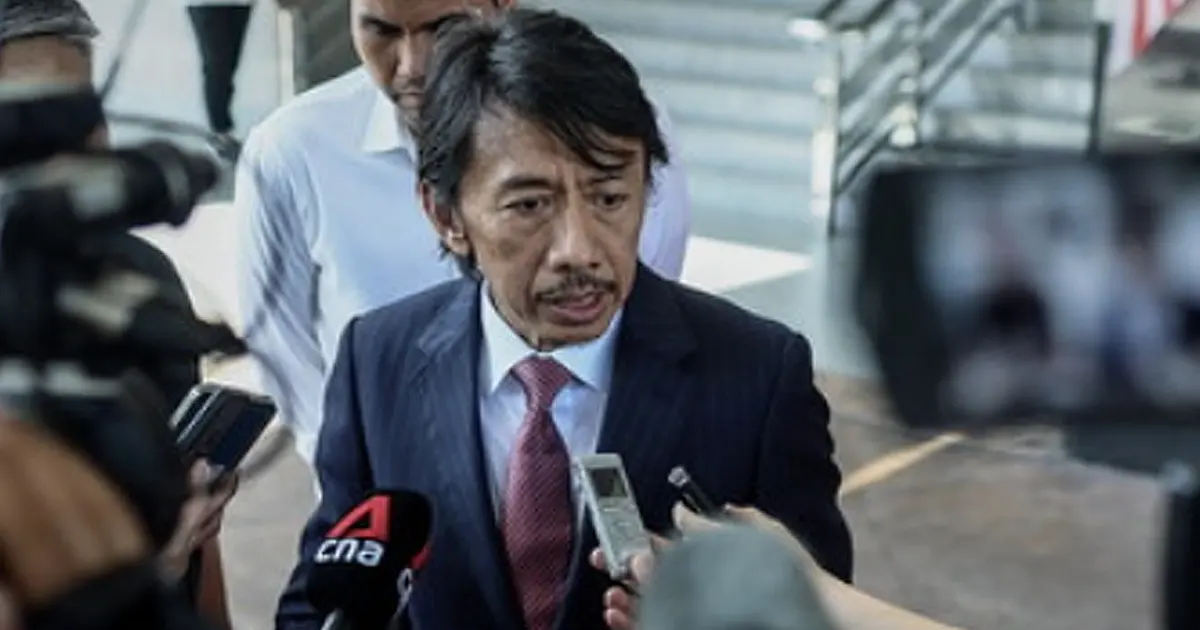
Ismail Sabri, who served as Malaysia's 32nd Prime Minister from August 2021 to November 2022, has undergone surgical implantation of a pacemaker to address complications arising from an abnormal heart rhythm. The minimally invasive procedure was performed this afternoon at the National Heart Institute, one of Southeast Asia's leading cardiac centres, located in Kuala Lumpur. Medical professionals attending to the former political leader have advised him to observe a period of rest as part of his post-operative care regimen.
The decision to implant a pacemaker marks a significant intervention for managing arrhythmia, a condition characterised by irregular heart rate and rhythm. This type of electrical device serves to regulate the heart's natural pacemaking function, ensuring steady and appropriate beating patterns. Pacemakers have become a standard therapeutic approach globally for patients whose hearts struggle to maintain consistent rhythm without artificial assistance, and the technology has enabled millions of individuals to continue active lives following implantation.
Ismail Sabri's health situation reflects broader health challenges that can affect high-ranking political figures, particularly those who have navigated demanding leadership roles involving substantial stress and extended working hours. His tenure as Prime Minister spanned a period marked by significant national challenges, including economic pressures and political complexities, factors that accumulate physical and mental demands on officeholders. The procedure itself demonstrates Malaysia's capability in advanced cardiac care, with the National Heart Institute maintaining internationally recognised standards in cardiothoracic medicine and interventional cardiology.
The National Heart Institute, established under Malaysia's healthcare system, has built considerable expertise in treating complex cardiac conditions across the regional landscape. The institution serves not only Malaysian nationals but also international patients seeking specialised cardiac treatment, indicating the level of medical sophistication available domestically. For Malaysian readers, the facility's involvement underscores the nation's medical infrastructure capacity for handling serious health matters without requiring overseas treatment in many instances.
Following the implantation procedure, Ismail Sabri's medical team has recommended he prioritise recovery and minimise physical exertion during the initial healing phase. This guidance is standard protocol for pacemaker recipients, as the surgical site requires time to stabilise and the device itself needs integration with the patient's cardiac system. Most individuals who receive pacemakers gradually resume normal activities under medical supervision, with many returning to regular routines within several weeks, pending their specific health status and comorbidities.
The timing and announcement of the procedure carry implications for Malaysia's political landscape, where Ismail Sabri continues to maintain a presence in Parliament and political discourse. His health status inevitably draws attention from fellow legislators and the public, particularly given the high-visibility nature of his previous position. The successful completion of the surgery and his recovery trajectory will likely influence his engagement in upcoming parliamentary sessions and political activities.
From a broader Southeast Asian perspective, such medical interventions highlight the region's growing capacity in specialised healthcare delivery. Malaysia has positioned itself as a medical tourism destination partly through centres like the National Heart Institute, attracting patients from neighbouring countries including Singapore, Brunei, and Indonesia. The quality of care available within Malaysia's healthcare ecosystem has expanded significantly, reducing the necessity for prominent figures and ordinary citizens alike to travel internationally for advanced cardiac management.
The procedure also reflects contemporary advances in cardiac medicine, where pacemaker technology has evolved substantially over recent decades. Modern devices are smaller, more durable, and equipped with sophisticated monitoring capabilities that allow physicians to track patient data remotely. These technological improvements have enhanced safety outcomes and reduced complications, making such interventions increasingly routine in developed and developing healthcare systems across Asia.
Ismail Sabri's medical situation serves as a reminder that politicians, regardless of their current standing, remain subject to the same health vulnerabilities as the broader population. His public prominence means that personal health matters occasionally enter the public domain, whereas ordinary citizens typically maintain privacy regarding similar medical procedures. The announcement appears to have been made with the intention of informing stakeholders while respecting his privacy during recovery.
Moving forward, the successful implantation and Ismail Sabri's recovery trajectory will be monitored by both his medical team and observers within Malaysia's political establishment. Assuming an uncomplicated healing process, the pacemaker should enable him to maintain his current level of public and parliamentary engagement, though his advisors will likely recommend some modifications to his schedule during the immediate post-operative period. The procedure represents a medical solution to an organic health challenge, allowing individuals with cardiac rhythm disorders to continue productive lives with improved cardiovascular stability and reduced risk of serious complications.

