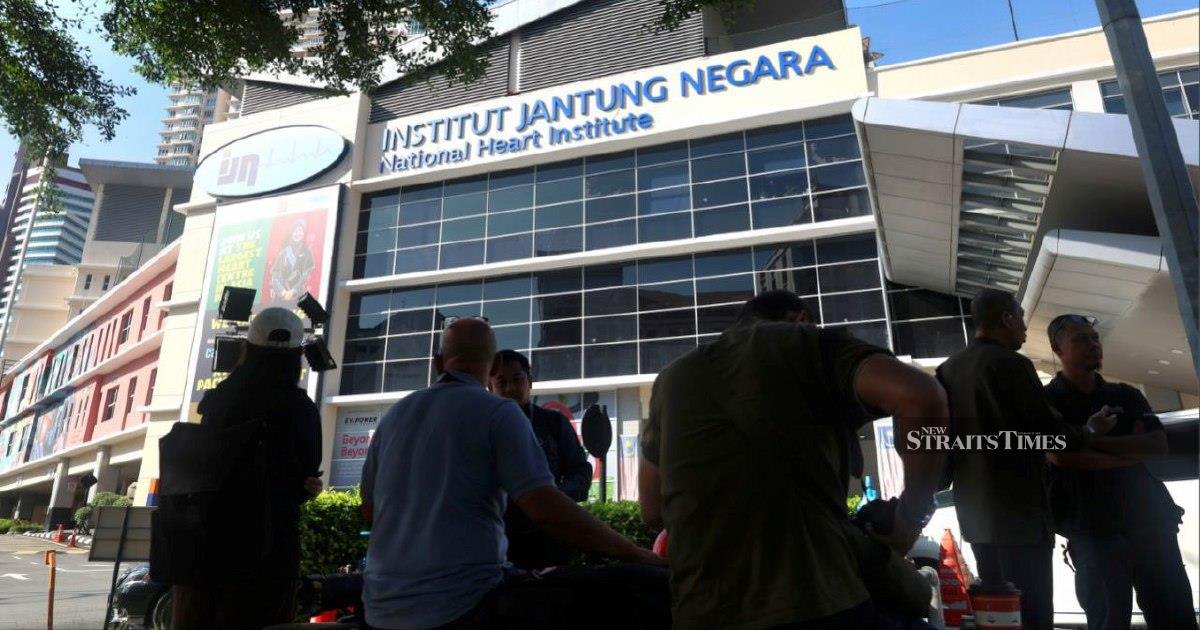
Former Prime Minister Datuk Seri Ismail Sabri Yaakob will proceed with pacemaker insertion surgery at the National Heart Institute (IJN) today after experiencing an irregular heartbeat, according to his legal representative. The announcement underscores the significant health challenge facing the prominent politician, who served as Malaysia's prime minister from August 2021 to November 2022.
The decision to implant a pacemaker follows medical evaluation confirming an arrhythmia—a condition where the heart does not maintain a normal, steady rhythm. Such conditions require careful clinical assessment before intervention, and the National Heart Institute, located in Kuala Lumpur, represents Malaysia's foremost cardiac care facility. The procedure itself constitutes a routine but important intervention for managing chronic heart rhythm disturbances that may otherwise pose risks to long-term health.
Pacemakers function by using electrical impulses to regulate heartbeat patterns, ensuring adequate blood circulation throughout the body. For patients with documented arrhythmias, implantation can significantly reduce complications including stroke risk and improving overall cardiac function. The technology has become a standard treatment option globally for various heart rhythm disorders, with success rates consistently high when managed by experienced cardiac teams.
Ismail Sabri's medical situation gains particular prominence given his recent and prominent role in national politics. As former prime minister during a crucial period of Malaysia's post-pandemic recovery, his health status carries implications for his continued political engagement. The timing of such procedures often reflects the balance between ongoing political commitments and necessary medical attention, a consideration many senior political figures must navigate.
The National Heart Institute, as a leading cardiac centre in Southeast Asia, routinely performs thousands of pacemaker procedures annually. The institution's expertise and modern facilities have established it as a trusted centre for complex cardiac interventions. Patients undergoing such procedures at IJN benefit from advanced diagnostic capabilities and post-operative monitoring systems designed to ensure optimal outcomes and early detection of any potential complications.
The condition affecting Ismail Sabri represents one of numerous cardiac rhythm disturbances that impact individuals across all demographics and age groups in Malaysia. Medical professionals emphasise that early detection through cardiac monitoring and prompt intervention significantly improve patient outcomes. His public disclosure of the procedure, while not unprecedented among Malaysian public figures, helps raise awareness about the importance of cardiac health screening and the availability of effective treatment options.
Arrhythmia management has evolved considerably over recent decades, with pacemaker technology offering more sophisticated options than earlier generations. Modern devices include remote monitoring capabilities, allowing physicians to assess device function and patient status without requiring office visits. Such advances improve patient convenience while enhancing the safety profile of long-term management strategies.
For Malaysia's political landscape, this development occurs as the country navigates ongoing governance challenges and coalition dynamics. Ismail Sabri's potential temporary absence from public engagement during recovery raises questions about his continued involvement in Umno leadership and parliamentary proceedings. Recovery from pacemaker implantation typically spans several weeks, with most patients resuming normal activities relatively quickly once initial healing completes.
The situation also reflects broader conversations within Malaysia's healthcare system about access to advanced cardiac care. While IJN represents excellent medical infrastructure, disparities exist in cardiac care availability across different regions of the country. Successful outcomes for high-profile patients like Ismail Sabri often highlight the importance of continued investment in cardiovascular medicine and ensuring equitable access to such life-saving technologies across all communities.
Family support constitutes an important dimension of cardiac patient recovery, and Ismail Sabri's legal team's public communication suggests coordinated family awareness of the procedure's timing and nature. Post-operative care protocols at IJN typically emphasize gradual return to normal activity levels, regular follow-up consultations, and lifestyle adjustments including dietary modifications and stress management—factors that complement the technological benefits of pacemaker implantation.
The broader implications for Malaysia extend beyond individual health considerations. Senior political figures undergoing significant medical procedures illustrate the unpredictability of leadership continuity and succession planning. While pacemaker implantation carries low mortality rates and excellent functional outcomes, the procedure nonetheless underscores the vulnerability of individuals regardless of political status. This reality emphasises the importance of robust institutional frameworks and succession mechanisms within political parties and governmental structures.

