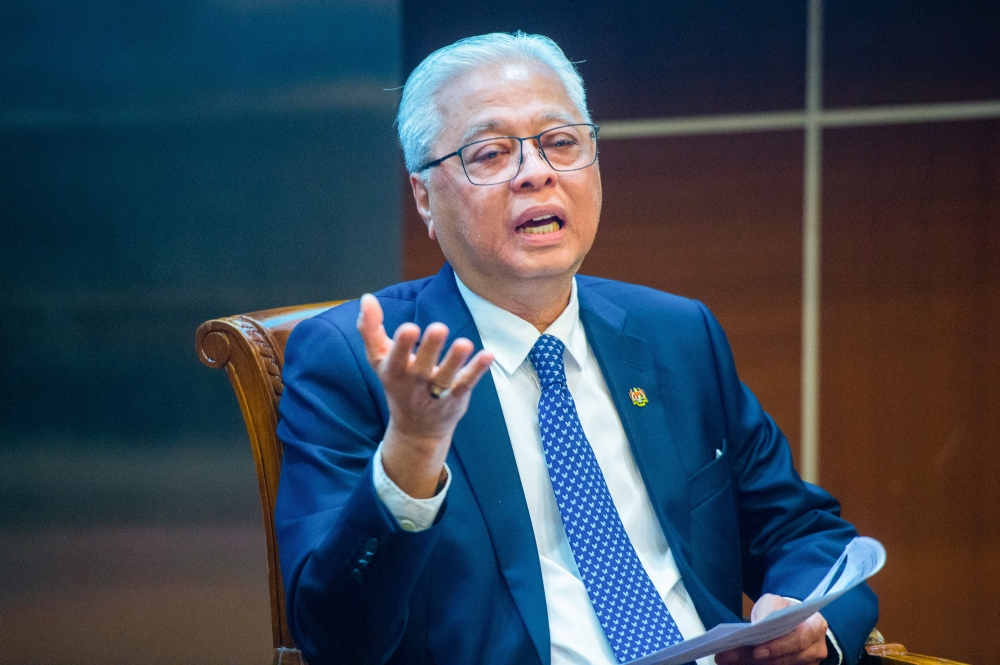
Former Prime Minister Datuk Seri Ismail Sabri Yaakob has successfully undergone pacemaker implantation at Institut Jantung Negara (IJN) in Kuala Lumpur, with doctors confirming he is in stable condition following the cardiac procedure. The surgery, carried out by the nation's leading heart institution, represents a significant medical intervention for the prominent political figure who previously held the nation's highest office.
The pacemaker implantation marks an important development in Ismail Sabri's ongoing health management, addressing a cardiac condition that required specialized intervention. Institut Jantung Negara, which operates as Malaysia's premier cardiovascular facility, conducted the operation using contemporary medical techniques designed to regulate heart rhythm and improve overall cardiac function. The successful completion of this procedure demonstrates the high standard of cardiac care available within Malaysia's healthcare system.
Ismail Sabri, who served as the country's 8th Prime Minister from August 2021 to September 2022, continues to maintain an active role in Malaysian politics and public life despite health challenges. His recovery trajectory has been closely monitored by the medical team at IJN, with initial assessments indicating positive outcomes. The former leader's ability to undergo such procedures reflects advances in cardiac intervention available to Malaysian patients, regardless of their socioeconomic standing.
Pacemaker technology represents one of the most significant developments in modern cardiology, allowing physicians to manage various heart rhythm disorders that might otherwise prove debilitating or life-threatening. The device works by sending electrical pulses to the heart muscle to maintain an appropriate heart rate, ensuring adequate blood circulation throughout the body. For patients experiencing bradycardia or other conduction disturbances, pacemaker implantation often provides substantial improvement in quality of life and longevity.
Institut Jantung Negara has established itself as a regional leader in cardiac procedures, performing thousands of interventions annually and training cardiologists from across Southeast Asia. The facility's expertise in pacemaker implantation and other advanced cardiac surgeries has earned recognition both domestically and internationally. The fact that Ismail Sabri entrusted his care to this institution underscores the confidence Malaysian political and business leaders place in IJN's capabilities.
The announcement of his successful surgery carries broader implications for public discourse surrounding healthcare in Malaysia. It demonstrates that complex cardiac procedures can be executed safely and effectively within the country, potentially reducing the medical tourism that traditionally sees wealthy Malaysians seeking treatment abroad. This capability has significant economic and strategic importance as Malaysia positions itself as a regional healthcare hub.
From a political perspective, Ismail Sabri's recovery from surgery may influence his future involvement in party and national affairs. Having served during a particularly turbulent period in Malaysian politics—a time marked by coalition instability and frequent changes in government leadership—his health status remains relevant to observers of the country's political trajectory. His return to public engagement following recovery will likely signal his continued commitment to his political career and the United Malays National Organisation.
The procedural success also highlights the importance of preventive and interventional cardiac care in an aging population. Malaysia, like many middle-income nations, faces increasing prevalence of cardiovascular diseases related to lifestyle factors, dietary patterns, and aging demographics. Successful interventions such as pacemaker implantation provide templates for how the healthcare system can address these challenges through advanced technological solutions.
Family members and political allies have expressed relief and support following the successful operation. Such widespread concern from across the political spectrum reflects the personal respect and professional standing Ismail Sabri maintains despite the competitive nature of Malaysian politics. His recovery journey will likely unfold under considerable public attention, given his historical significance and ongoing political relevance.
The medical team at IJN has indicated that Ismail Sabri will require appropriate post-operative care and monitoring during the recovery phase, which typically spans several weeks. Patients receiving pacemakers must follow specific guidelines regarding physical activity, regular check-ups, and device monitoring to ensure optimal functioning. The protocols established at IJN for post-implantation care place Ismail Sabri in an excellent position for full recovery.
Looking forward, this episode reinforces broader discussions within Malaysia about the accessibility of advanced cardiac care and the continuing evolution of the country's healthcare infrastructure. As medical technology becomes increasingly sophisticated, Malaysian institutions continue demonstrating their capacity to deliver world-class treatment. The successful management of Ismail Sabri's cardiac condition exemplifies this trajectory and contributes to growing confidence in domestic healthcare provision among all segments of Malaysian society.

