The long-delayed release of the Royal Commission of Inquiry report into Lembaga Tabung Haji has reignited scrutiny over government accountability, with former prime minister Datuk Seri Ismail Sabri Yaakob facing mounting pressure to explain the extended period during which the document remained confidential.
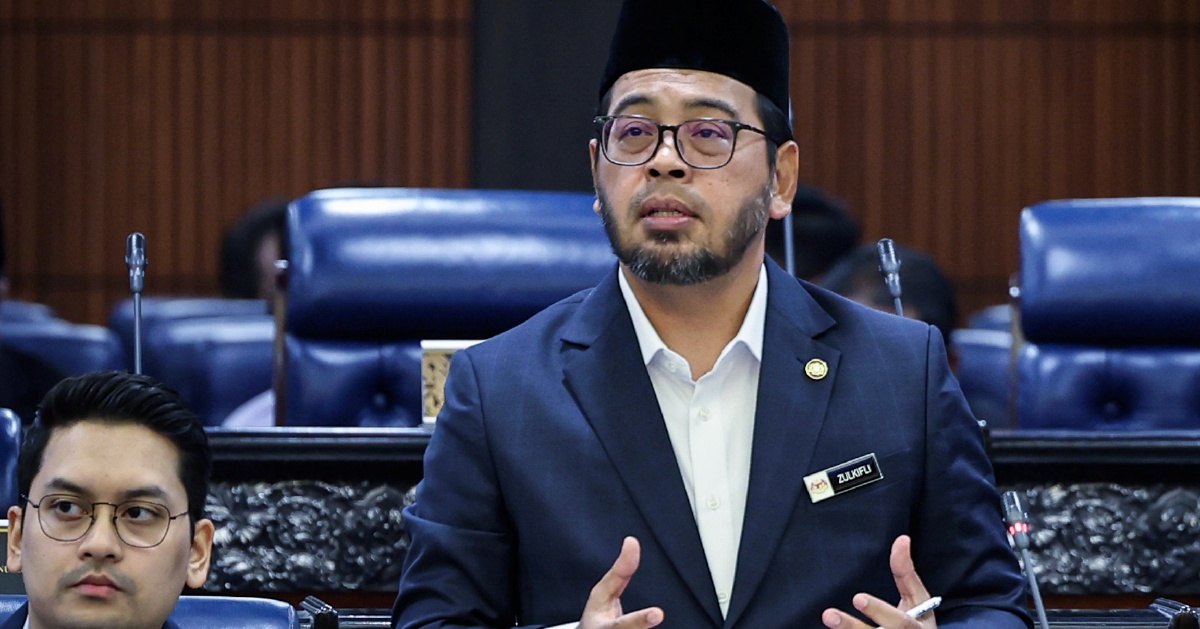
Zulkifli's call for clarification underscores growing frustration within political circles over the near-four-year gap between the RCI's completion and its eventual publication. The withholding of such an official inquiry report touches on fundamental questions about transparency in public administration and raises concerns about whether sensitive findings were deliberately shelved to avoid political embarrassment or media attention during critical periods of governance.
The Lembaga Tabung Haji, Malaysia's pilgrimage fund management institution, has faced repeated controversies in recent years, including investment losses and governance challenges. An independent RCI was established to investigate these matters thoroughly and make recommendations for institutional reform. The commission's work typically involves extensive examination of financial records, management decisions, and systemic weaknesses that could shape future operations and public trust.
During his tenure as prime minister from August 2021 to August 2022, Ismail Sabri would have had authority over the release timing of such sensitive government reports. The decision to keep the findings confidential for an extended period suggests either a deliberate policy to delay public disclosure or bureaucratic inertia in processing the document for release. Either scenario invites legitimate questions about the motivations behind the delay and whether political considerations influenced the timing.
The inquiry report's eventual release likely contains findings that could affect public perception of the institution and potentially implicate previous administrations or officials in mismanagement allegations. This context makes the timing of its suppression particularly significant, as Malaysian political observers have long documented patterns of selective disclosure designed to minimise scrutiny of controversial matters during sensitive political periods.
For ordinary Malaysians, particularly the millions who have contributed savings to Tabung Haji throughout their working lives, the report's contents directly affect their retirement planning and financial security. The extended delay in making findings public meant contributors had incomplete information about the institution's governance and health during a period when remedial action could have been undertaken. This represents a breach of the implicit social contract between government institutions and the public they serve.
The broader implications for Malaysian governance merit examination. Government commissions of inquiry consume significant resources and time, engaging senior officials and experts to investigate matters of public interest. When their findings are kept from public view for extended periods without adequate justification, the entire inquiry process loses credibility and citizens reasonably question whether such exercises serve genuine reform or merely provide political cover.
Zulkifli's intervention reflects a wider concern across the political spectrum about whether Malaysia's systems of accountability and transparency meet contemporary standards. Even within government, frustration periodically surfaces when sensitive reports are withheld without clear explanation, creating perceptions that institutional findings are treated as political assets rather than public information necessary for informed decision-making.
The demand for Ismail Sabri to provide detailed reasoning illuminates the absence of clear public guidelines governing the release timeline for official inquiries. Unlike some jurisdictions that have established protocols and statutory timeframes for disclosure, Malaysia's approach appears ad hoc and subject to executive discretion, leaving room for indefinite delays justified only by generic invocations of confidentiality or ongoing review.
Restoring public confidence in such investigative mechanisms requires not merely releasing the report, but explaining the rationale behind its suppression. Ismail Sabri's response—or lack thereof—will likely set a tone for how future administrations handle sensitive inquiry reports and whether they view public disclosure as obligatory or optional based on perceived political advantage.
The Tabung Haji case reflects tensions endemic to many Southeast Asian democracies, where formal institutions exist to investigate governance failures, yet releasing findings remains discretionary rather than automatic. Malaysia's path toward stronger institutional accountability may hinge partly on whether political leaders voluntarily commit to more transparent and timely disclosure practices, or whether stronger legislative frameworks become necessary to constrain executive discretion over sensitive government information.

