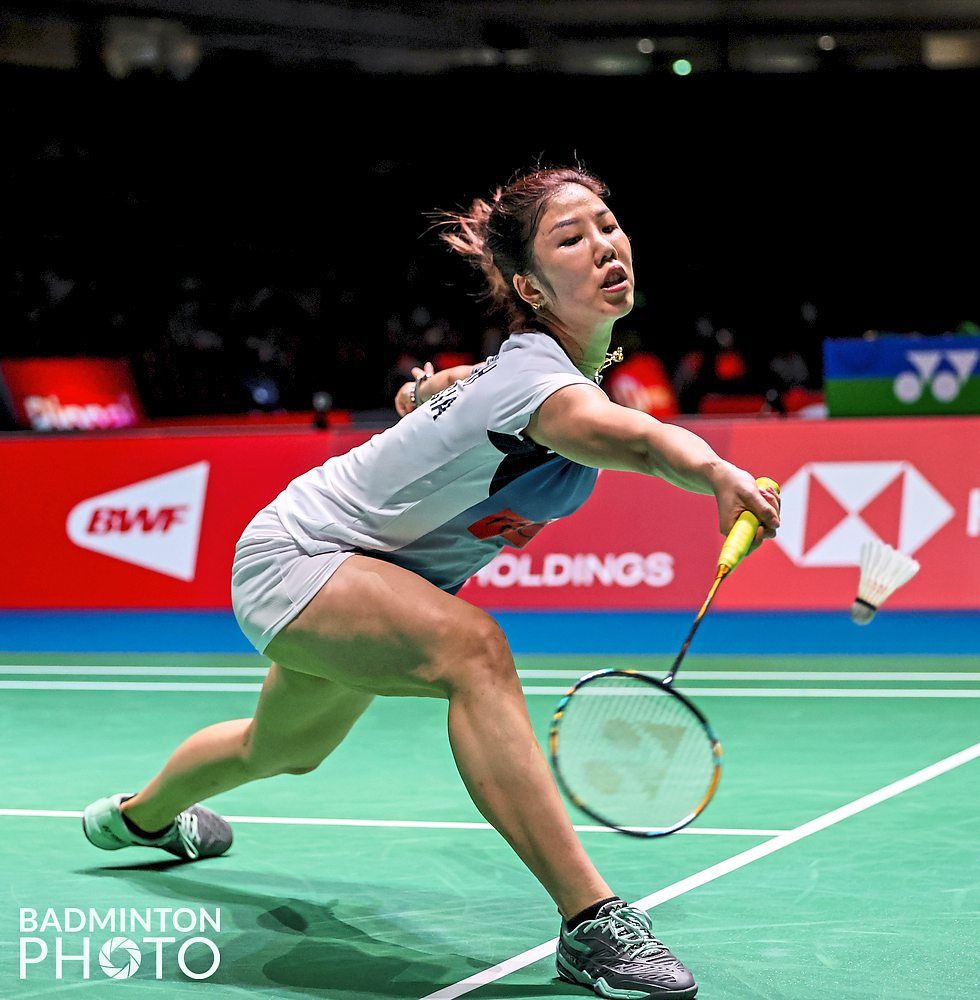
Soniia Cheah, a retired national badminton champion, has ended her tenure as sports director of the Kuala Lumpur Badminton Association (KLBA) effective Wednesday, marking a premature conclusion to what was intended as a year-long appointment. The 33-year-old former women's singles shuttler, who represented Malaysia at the Tokyo Olympics and once held the distinction of being the nation's top-ranked player in her category, cited fundamental disagreements with internal association practices as the catalyst for her departure.
The announcement came just four months after Cheah's appointment in February, when she had signed a one-year contract to oversee the sports directorship of the Kuala Lumpur body. Her decision to resign represents a significant development in the badminton governance sphere, particularly given her stature within Malaysian badminton circles and the deliberate choice of appointing an experienced former player to the position. Cheah's exit follows what colleagues characterise as an abrupt professional transition, with her final engagement involving the Kuala Lumpur squad at the Affin 100Plus Junior Elite Tour Finals held at Stadium Juara in Bukit Kiara the previous week.
When approached for clarification, Cheah refrained from detailing the specific grievances that prompted her resignation, instead offering a measured statement that acknowledged the gravity of her decision. She emphasised that resigning from the position had not been undertaken lightly, and that the choice reflected careful deliberation rather than impulse. This measured tone contrasts with the clarity of her conviction regarding the incompatibility between her professional standards and the association's operational practices, suggesting a principled stand rather than a conflict based on personality clashes or minor disagreements.
Cheah articulated her position by framing the resignation as a matter of integrity and alignment with her foundational values as a former national athlete. She stated that her time in the role had exposed her to matters within the organisation that, from her perspective, contradicted the principles she held dear following her distinguished playing career. Her comment that certain issues "were not aligned with my principles as an ex-national player" suggests her concerns relate to governance, management standards, or operational decisions that she believes fall short of what she considers appropriate conduct for a badminton development body.
Importantly, Cheah was careful to characterise her resignation as a personal ethical stand rather than a critique directed at any singular individual within the KLBA leadership. This diplomatic framing indicates she may have encountered systemic or cultural issues rather than interpersonal conflicts, and that her concerns likely transcend personality-based disagreements. By positioning her departure as a principled withdrawal rather than an accusation, she preserved professional relationships while making clear that compromise on her values was not an option she would entertain.
The badminton director expressed hope that her resignation would serve a constructive purpose for the Kuala Lumpur body, suggesting that her departure might prompt institutional reflection and meaningful review of the practices and policies that contributed to her decision. She articulated the desire that the KLBA would use this moment as an opportunity to examine and rectify the concerns she found problematic, thereby refocusing organisational efforts toward the genuine wellbeing and development of young players within the association's purview. This forward-looking statement underscores her continuing commitment to the sport and to the athletes she previously oversaw, even in the context of stepping away.
Despite the brevity of her tenure, Cheah acknowledged the satisfying aspects of her role, particularly her work mentoring and collaborating with the junior and elite players under KLBA's development programmes. Her appreciation for these interactions reflects her passion for badminton and her investment in the next generation of Malaysian shuttlers. This gratitude, expressed even as she departed the organisation, suggests her concerns were not rooted in difficulties with athletes themselves, but rather with administrative or governance elements.
Cheah's pathway to this appointment had been rooted in her celebrated playing career. Once recognised as Malaysia's leading women's singles competitor, she earned selection to represent the nation at the Tokyo Olympics, a pinnacle moment for any Malaysian badminton player. Her career spanned many years of professional competition before she made the difficult decision to retire in 2022, following persistent struggles with a recurrent Achilles tendon injury. This long-standing physical ailment ultimately ended her playing days, though it did not diminish her standing within badminton circles or reduce her commitment to the sport.
The significance of her resignation extends beyond a single individual leaving a post. Cheah's decision to step down rather than remain in a role that would require compromising her principles sends a message about governance standards and professional ethics in Malaysian sports administration. Her willingness to sacrifice a one-year contract and continued involvement in formal badminton development work suggests the nature of her concerns was sufficiently serious to outweigh the benefits of remaining in the position. For Malaysian badminton stakeholders, the incident raises questions about whether systemic issues within the Kuala Lumpur body require broader attention and reform.
The departure also highlights the ongoing challenges Malaysian sports organisations face in retaining experienced, principled leadership. Cheah's appointment had represented an opportunity to infuse the KLBA with fresh perspectives from someone with intimate knowledge of elite-level badminton. Her premature exit represents a loss of such expertise and continuity, and suggests that even well-intentioned appointments may falter when organisational culture or management practices conflict with professional standards. As Malaysian badminton continues to navigate the demands of developing world-class players in a competitive regional environment, the principles that drive individuals like Cheah to resign warrant serious consideration.

