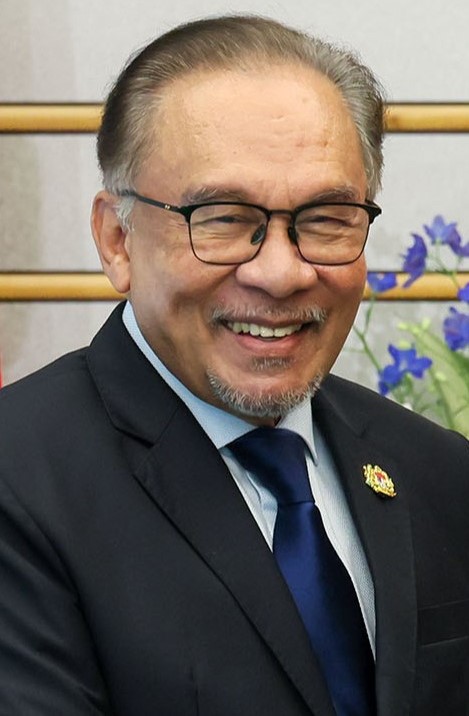
Datuk Dr Sahruddin Jamal, the former menteri besar of Johor, has made public his intention to compete for the Bukit Kepong state assembly seat when voters go to the polls on July 11 for the 16th Johor state election. The announcement marks a significant moment in the political calendar for the southern state, as one of Johor's most recognizable political figures prepares to defend his seat amid shifting political dynamics in the country.
The Bukit Kepong constituency, situated in Johor Baru district, has been a notable battleground in recent state elections. Sahruddin's decision to contest reflects confidence in his standing within the electorate, despite the changing political landscape that has characterised Malaysia over the past few years. His candidacy will likely galvanize support among his established base while potentially drawing scrutiny from rival parties eager to capitalise on any perceived vulnerabilities.
Sahruddin's tenure as menteri besar represented a significant period in Johor's governance. His transition from the chief executive position to a state assemblyman marks a common trajectory in Malaysian politics, where senior figures often return to constituency-level politics after their terms at the helm conclude. This move demonstrates the continued relevance he maintains within Johor's political ecosystem and his party's confidence in his electoral appeal.
The July 11 election represents a critical juncture for Johor politics. State elections in the country's second-largest state by population carry considerable weight in shaping the broader political narrative at the federal level. The composition of the 56-seat Johor state assembly following this election will influence coalition dynamics and potentially affect the stability of Malaysia's federal government, given the state's historical significance in national politics.
For Bukit Kepong specifically, Sahruddin's candidacy ensures a contest that will likely attract considerable resources and campaign attention from multiple parties. The constituency's voter demographics and recent electoral trends will be closely monitored by political analysts tracking shifts in support across urban and suburban areas in Johor Baru. The outcome in this seat could serve as an indicator of broader sentiment within the district.
Sahruddin's political trajectory over recent years has placed him in the spotlight during periods of significant national political upheaval. His experience navigating Johor's complex political terrain, which has seen multiple governing coalitions and significant realignments, positions him as a seasoned operator. Whether this experience translates into electoral success in July will depend on how voters in Bukit Kepong assess his record and vision against competing candidates from rival parties.
The confirmation of his candidacy arrives as campaign preparations intensify across Johor. Various parties are finalising their candidate lists, and the political temperature in the state continues to rise with each passing week leading to the election. Sahruddin's announcement follows earlier declarations from other prominent figures in Johor politics, establishing the contours of competition for the state assembly.
For Malaysian political observers, particularly those focused on Johor, Sahruddin's re-entry into electoral competition reinforces the state's status as home to some of the country's most established political figures. His defence of Bukit Kepong will be watched not merely as a contest for a single state seat, but as a barometer of how voters assess his continued relevance in contemporary Malaysian politics and whether his previous experience at the highest state level remains an asset in the current environment.
The broader implications of the July 11 Johor state election extend beyond the state's boundaries. As one of Malaysia's most politically significant states, with substantial economic output and population, the composition of its state government carries implications for federal politics. Sahruddin's performance in Bukit Kepong will contribute to the overall picture of how different political coalitions fare in one of the nation's crucial electoral battlegrounds. His entry into the contest ensures that discussions around governance, state development priorities, and coalition politics will remain central themes during the campaign period.