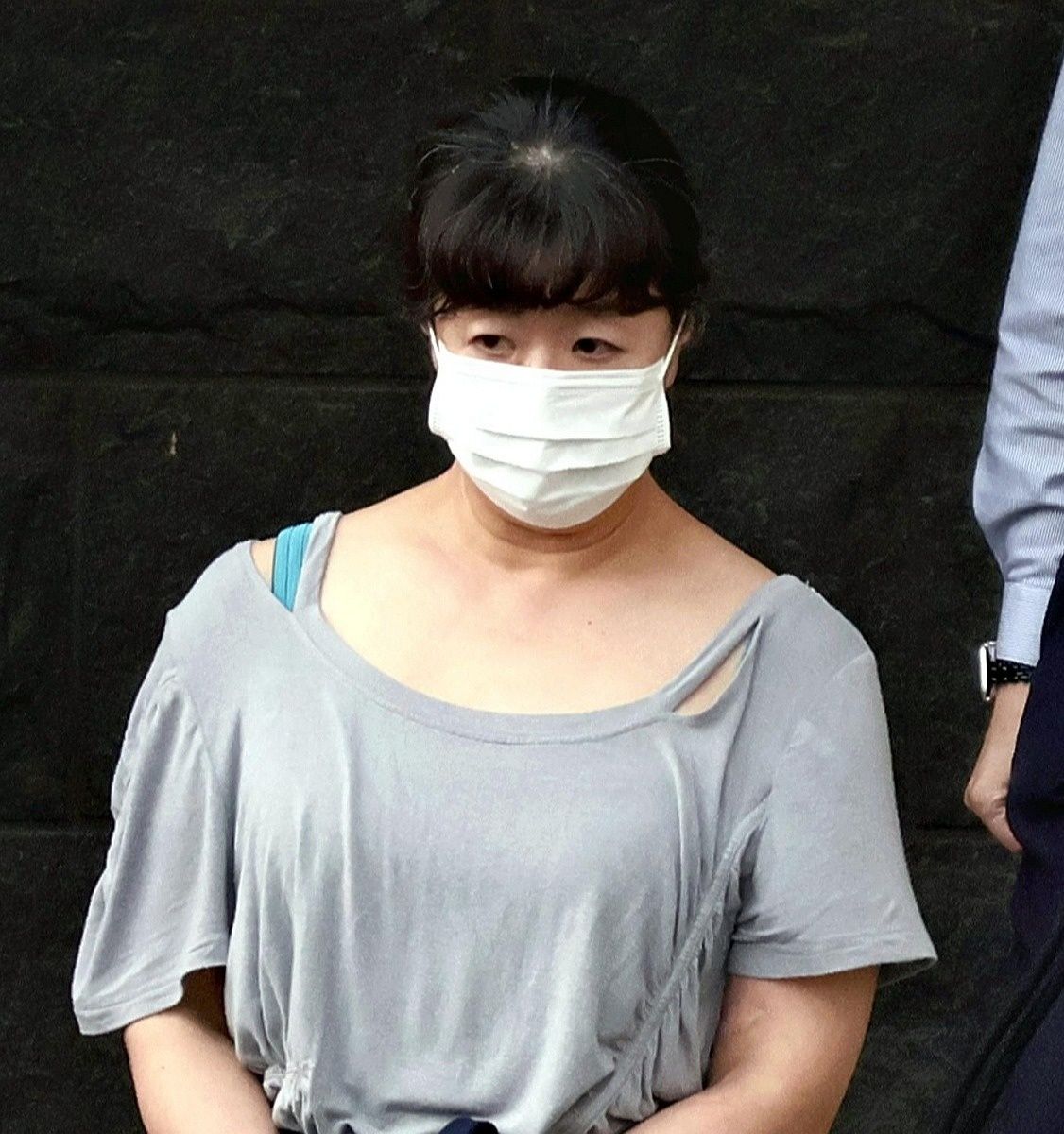
Police in Japan have arrested a former nurse in connection with the death of a 75-year-old hospital patient whose IV tube is suspected to have been deliberately contaminated. Miyuki Furukawa, 51, was taken into custody on Wednesday, July 15, based on allegations that she inserted faeces into an intravenous extension tube administered to Eiji Aida at Kashiwa Tanaka Hospital in Chiba Prefecture. The incident occurred on the early morning of January 30, with the patient's condition deteriorating fatally within hours. Furukawa has denied the charges, stating plainly that she did not introduce any foreign matter into the medical equipment.
The circumstances surrounding Aida's death point to a deliberate act of contamination. The 75-year-old's health took a sharp turn for the worse shortly after the suspected tampering, and he was pronounced dead approximately 20 hours later at 10.30pm on January 31. Medical examinations confirmed that multiple organ failure precipitated by sepsis caused his death, with laboratory analysis revealing the presence of bacteria characteristic of faecal matter in his bloodstream. This clinical evidence suggests exposure to faecal contamination triggered a systemic infection that overwhelmed his body's ability to maintain vital functions.
At the time of the alleged incident, Furukawa held the position of head nurse overseeing the night shift at the hospital. Security camera recordings captured her entering and leaving the patient's room around 3.55am, establishing her presence at the location and time aligned with when the contamination is believed to have occurred. The footage provides crucial documentation of her movements, though it does not definitively prove the act itself. Hospital staff discovered the problem when another employee noticed the interior of the extension tube had turned brown, prompting initial suspicion that something had been deliberately introduced into the medical line.
The hospital worker who made the discovery reported the concerning finding to Kashiwa Police on February 1, stating that there appeared to be a foreign substance within the tube. This alert set in motion a police investigation that would eventually culminate in Furukawa's arrest months later. The delay between discovery and arrest suggests that authorities needed time to gather sufficient evidence and establish probable cause linking Furukawa to the contamination. The investigation required careful review of hospital records, surveillance footage, and medical evidence to construct a coherent case.
Investigators uncovered additional details that strengthened suspicions against Furukawa. According to sources involved in the case, she had engaged in an argument with Aida prior to the incident, establishing a potential motive grounded in interpersonal conflict. More significantly, authorities discovered that Furukawa had used her smartphone to search for the phrase "faeces injection — Will [he] die?" This search history represents compelling circumstantial evidence suggesting premeditation and awareness of the lethal consequences of such an act. The specific nature of the query indicates knowledge that contamination through such means could prove fatal to a vulnerable patient.
Furukawa's employment history reveals that she departed from Kashiwa Tanaka Hospital at the conclusion of February, approximately one month after the incident. She subsequently obtained work as a midwife at a separate hospital located in Tokyo. This transfer occurred before her arrest became public, suggesting that hospital management either was unaware of the investigation or did not connect her departure to the patient death inquiry. Her transition to midwifery work in another facility raises questions about whether proper background screening procedures were followed and whether the new employer was informed of ongoing investigations.
The investigation remains active as Chiba prefectural police continue probing Furukawa's motivations and the full details of how the contamination took place. Authorities aim to establish whether the act was impulsive or carefully planned, and to understand what specific grievance or psychological factor may have driven such a drastic action. The case has prompted wider examination of hospital security protocols and the accessibility of vulnerable patients to staff members with potential malicious intent.
Kashiwa Tanaka Hospital's operating organisation, Aoikai, released a statement acknowledging the gravity of the alleged conduct. The institution described the suspected action as "absolutely unforgivable" both within the context of medical practice standards and basic human decency. Hospital leadership pledged complete cooperation with law enforcement and commitment to uncovering all relevant facts. This incident has profound implications for patient safety protocols and institutional accountability across Japanese healthcare facilities.
For healthcare systems across Southeast Asia, including Malaysia, the case underscores critical vulnerabilities in patient protection during vulnerable periods such as night shifts when nursing supervision may be reduced. The incident highlights the necessity for enhanced security measures, improved monitoring of staff access to patient care lines, and stronger background investigation procedures prior to hiring medical personnel. Medical institutions must balance operational efficiency with the imperative to protect patients from potential harm by malicious actors within their workforce. The case also demonstrates the importance of rapidly escalating suspicious findings to management and law enforcement rather than conducting internal investigations that might delay justice. Healthcare administrators and policymakers should examine whether their institutions have adequate safeguards to prevent similar incidents and whether staff conduct protocols effectively identify warning signs of instability or harmful intent.

