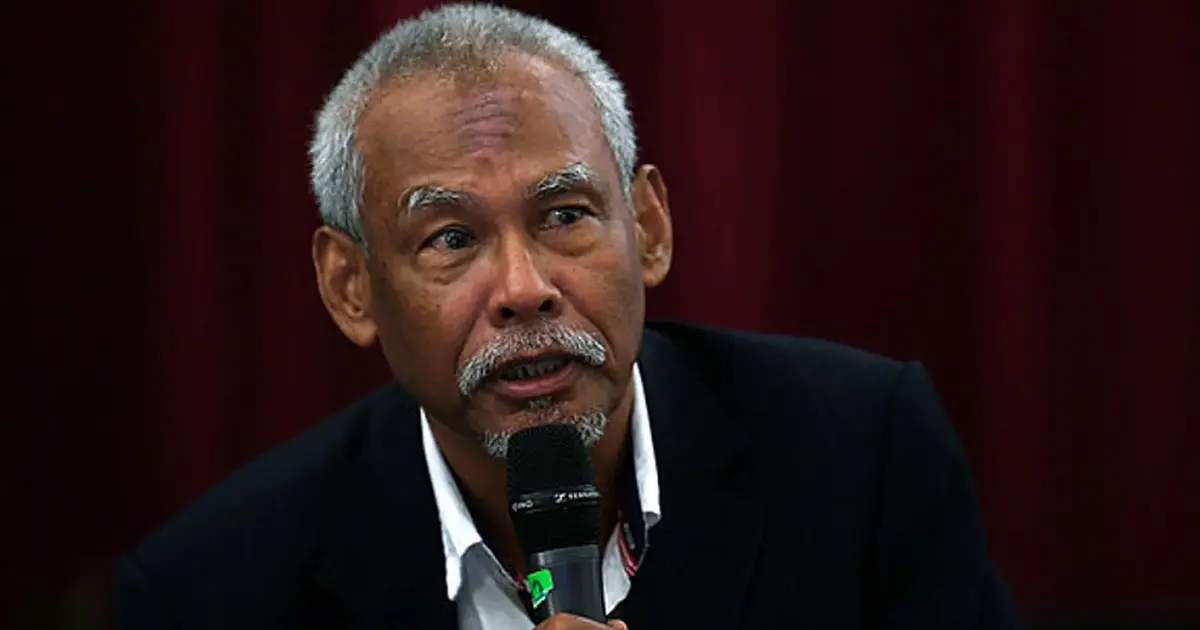
The country's apex court has shut the door on former Inspector-General of Police Musa Hassan's attempt to challenge a defamation judgment, determining that the nine constitutional questions he raised do not merit judicial review. The decision represents a significant setback for the retired police chief, who had sought to overturn the lower court's ruling through a series of arguments centred on public officials' right to pursue litigation and the scope of free speech protections under Malaysian law.
Musa Hassan had framed his appeal around fundamental constitutional principles, arguing that the nine legal questions raised warranted examination by the country's highest tribunal. His legal team contended that the case touched upon broader issues affecting public discourse and the balance between individual reputation protection and citizens' freedom to speak critically about government officials. By seeking a review rather than a conventional appeal, Musa Hassan was attempting to invoke the apex court's discretionary jurisdiction to hear matters of constitutional significance.
The apex court's dismissal indicates that the judges found insufficient merit in the arguments presented. The bench apparently concluded that the nine legal questions, while potentially touching on constitutional matters, did not raise issues of such fundamental importance as to warrant the court's intervention through the review mechanism. This suggests the court viewed the case as one properly resolved through existing legal frameworks governing defamation and libel, rather than as a test case for constitutional principles.
The defamation lawsuit, originally brought against Musa Hassan by Hannah—identified in court proceedings as a private citizen—had proceeded through lower court stages where judgment was rendered against the former police chief. The case reflects growing litigation over public commentary involving high-ranking government figures, a phenomenon increasingly common across Southeast Asia as public figures seek legal redress for damaging statements made against them, whether online or in traditional media.
Musa Hassan's argument regarding public officers' right to sue touches on a tension present in many Commonwealth legal systems, including Malaysia's. Public interest jurisprudence has historically suggested that senior government officials, particularly those in law enforcement leadership positions, should tolerate greater public criticism than private citizens. The former IGP's assertion that public officials retain full defamation rights contrasts with this doctrine, creating genuine constitutional tension that some legal scholars argue warrants examination.
The freedom of speech dimension of his appeal carried equal significance. Musa Hassan appeared to argue that certain constraints on what citizens and media may say about public figures are necessary to balance competing rights. His framing positioned the case as involving not merely personal reputation but the legitimate interests of public servants in protecting their names from false accusations. This argument has resonated in certain judicial circles across the region, though Malaysian courts have not consistently favoured it.
The apex court's unwillingness to engage with these questions may reflect judicial reluctance to expand defamation protections for public officials during an era of increasing public scrutiny of governance. The decision implicitly endorses the view that existing legal rules—which allow public figures to sue for defamation but do not grant them special immunity from criticism—strike an appropriate balance. By declining to review, the court avoided reopening this contentious issue.
For Malaysian legal practice and media freedom, the dismissal carries implications beyond Musa Hassan's personal situation. Media organisations and citizens publishing commentary on public affairs now have clearer guidance that appeals to constitutional review are unlikely to succeed in defamation cases involving former senior officials. This may embolden greater scrutiny of police leadership and accountability discussions, though it also means public figures retain their defamation remedies against demonstrably false statements.
The ruling also reflects the apex court's resource constraints and judicial philosophy regarding when to exercise its review jurisdiction. These powers are sparingly used, reserved for cases establishing new legal principles or resolving genuine constitutional confusion. By treating Musa Hassan's bid as falling outside this category, the court signalled that defamation law, despite its implications for free expression, is adequately governed by existing statutes and case law.
Within Southeast Asia's legal landscape, where governments and public officials frequently pursue litigation against critics, Malaysia's apex court decision stands as a reminder that even senior police leaders must ultimately pursue remedies within conventional frameworks. The judgment suggests Malaysian courts remain reluctant to create special constitutional protections enabling public officials to restrict speech more readily than private citizens can.
For Musa Hassan, the dismissal effectively closes appellate avenues, leaving the original defamation judgment intact. The former IGP, who headed Malaysia's police force during a consequential period of the nation's security history, now faces the reality that his legal challenges have exhausted the court system's higher echelons. This finality may influence how retired public officials approach reputational disputes in future years.
The case ultimately illustrates a consistent position within Malaysian jurisprudence: while public officials may sue for defamation, courts will not treat such cases as raising constitutional questions warranting apex court intervention. This stance reflects a judicial preference for maintaining space for robust public debate about governance and official conduct, even when specific statements prove false and damaging.

