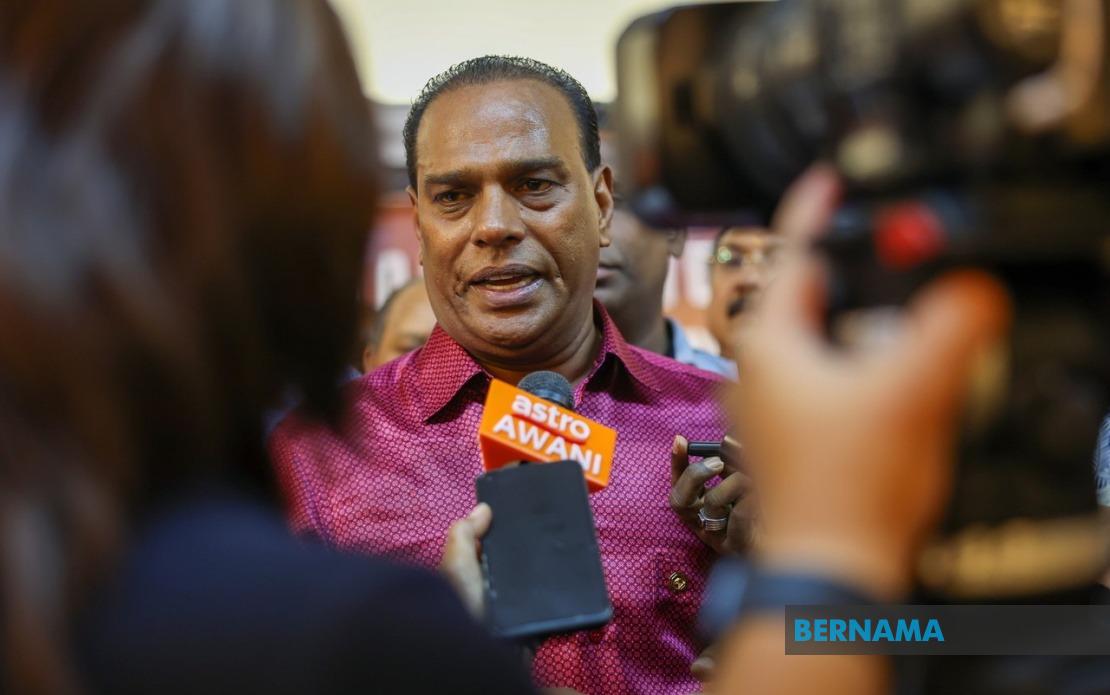
Datuk Seri M. Saravanan, the former Human Resources Minister and deputy president of the Malaysian Indian Congress, has confirmed he will appear in the Sessions Court here tomorrow to face charges following an investigation by the Malaysian Anti-Corruption Commission. The Tapah MP made the announcement through a video message distributed to media outlets, acknowledging his court appearance while maintaining his readiness to defend himself against the allegations.
The charges against Saravanan relate to his alleged involvement in matters concerning the hiring of foreign workers during the COVID-19 pandemic in 2022. According to the MACC, the investigation stems from a third-party statement that initially implicated the former minister in these activities. The anti-corruption body issued a media invitation on Tuesday confirming that a former minister would face charges at the Sessions Court, with sources identifying Saravanan as the individual in question.
Under the Malaysian Anti-Corruption Commission Act 2009, Saravanan is expected to face charges under Section 16, which covers the act of soliciting, receiving, giving, promising or offering a bribe. This provision represents one of the most serious allegations within the MACC's remit and carries substantial penalties upon conviction. The legal framework underpinning these charges reflects Malaysia's commitment to combating corruption within the public sector, particularly regarding government procurement and administrative decisions.
Saravanan's legal position appears complicated by the circumstances surrounding the original allegation. He asserts that the initial statement linking his name to the foreign worker hiring issue originated from an individual who has since passed away approximately two months prior to his court appearance. The former minister emphasised that he had no prior communication or acquaintance with this person, whether through telephone, text messaging, or any other channel.
A significant development in Saravanan's defence involves a Statutory Declaration filed by the individual who made the original allegation. According to the former minister's account, this person subsequently withdrew the allegations through a formal legal document, effectively disavowing the earlier statement that prompted the investigation. Such reversals in witness testimony can substantially complicate prosecutorial cases, though the fact that the declarant has since died introduces further complexity into the legal proceedings.
Despite these challenging circumstances, Saravanan expressed his determination to proceed with his defence and face the charges in accordance with Malaysian law. His statement conveyed a sense of resolve regarding his legal situation, suggesting that he views the court process as an opportunity to clear his name. The former minister's public acknowledgement of the charges, rather than attempting to evade or delay proceedings, represents a notable aspect of his response to the allegations.
Tomorrow's court appearance marks a significant moment in Malaysian politics, as high-ranking former government officials facing MACC charges remain relatively uncommon cases that attract considerable public attention. The proceedings will occur within the context of ongoing governmental efforts to strengthen institutional checks against corruption and to demonstrate that no official stands above legal scrutiny. The visibility of such cases carries implications for public confidence in Malaysia's anti-corruption apparatus.
Saravanan's legal team is expected to submit an application to the court seeking expedition of the trial process to avoid unnecessary delays. This tactical move suggests a strategy to bring the matter to swift resolution rather than protract the proceedings through various adjournments. The approach reflects a common practice among defendants seeking to clear their names promptly and resume normal activities, though the expedited timeline must still navigate Malaysia's judicial procedures and evidentiary requirements.
The case also intersects with broader concerns about governance during the pandemic period, when unprecedented circumstances surrounding supply chain disruptions and labour shortages prompted various administrative responses across Southeast Asia. The Malaysian government's approach to foreign worker regulations during this period remains subject to scrutiny, and high-profile cases involving alleged impropriety in this domain attract heightened interest from observers tracking pandemic-era governance decisions.
As a former Human Resources Minister and current MIC deputy president, Saravanan occupies a significant position within Malaysia's political landscape. His involvement in this case carries implications not only for his personal legal standing but also for the credibility of the political party and broader coalition to which he belongs. The resolution of these proceedings will likely influence broader discussions regarding accountability within Malaysian political institutions.
The MACC investigation leading to these charges represents part of the commission's broader mandate to investigate allegations of corruption affecting public officials and procurement processes. Whether the evidence supports the allegations remains for the court to determine through the formal trial process. The coming court proceedings will provide an opportunity to examine the evidence underpinning the charges and test the credibility of the testimony and documentation involved in this complex matter.

