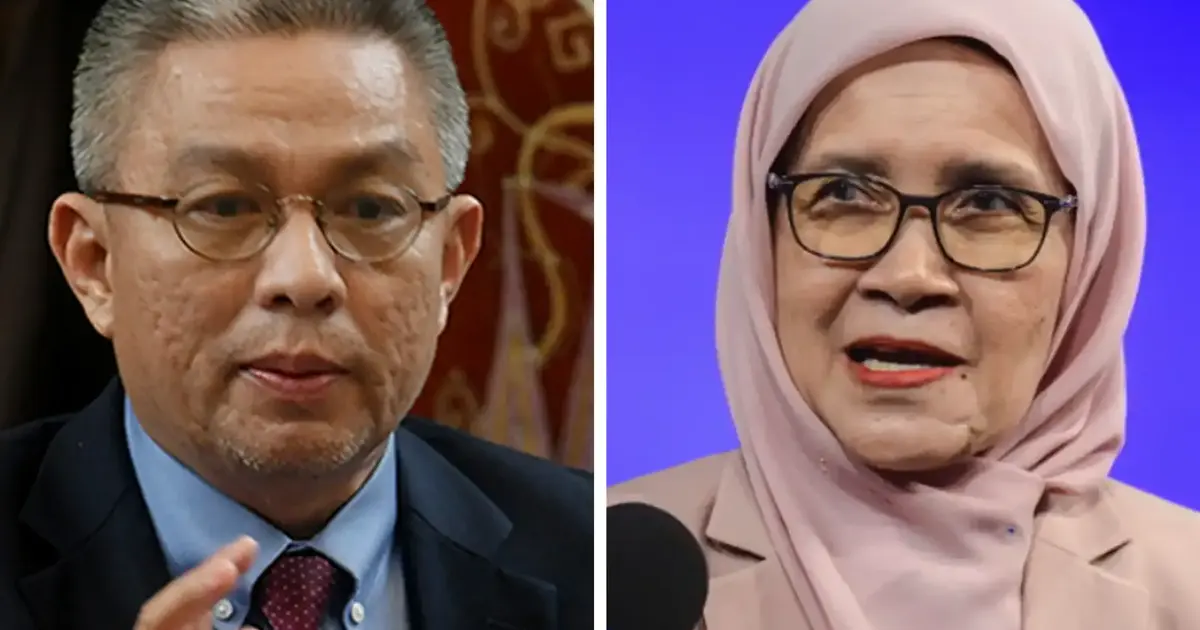
Onn Hafiz Ghazi, the former federal health minister and Umno politician, has confirmed his candidacy in the upcoming Johor state election, positioning himself as a key figure in the ruling coalition's campaign across the southern state. As chairman of Barisan Nasional in Johor, Onn Hafiz will seek to retain his Machap seat, a move that underscores his continued relevance within the party hierarchy despite the dramatic political transitions Malaysia has witnessed over the past five years.
Onn Hafiz's participation marks a significant moment for Umno's broader electoral strategy in Johor, a state traditionally considered a stronghold for the Malay-Muslim-dominated party and its broader coalition. His background as a former health minister — a portfolio he held during a critical period in Malaysian governance — lends him visibility and a track record to campaign on, even as Barisan Nasional contends with shifting voter sentiments and competition from opposition coalitions seeking to expand their parliamentary footprint.
The decision to stand for election reflects confidence within Umno's organizational structure that established figures like Onn Hafiz can mobilize support among traditional party voters. Machap, his constituency, has historically been a Barisan stronghold, though recent elections have demonstrated that no seat should be taken for granted in Malaysia's increasingly competitive political environment. The party will likely leverage his ministerial experience and administrative credentials as selling points during the campaign period.
Onn Hafiz's return to the electoral arena also signals Umno's commitment to fielding recognizable names and experienced administrators rather than exclusively promoting younger cadres. This generational balance reflects broader discussions within the coalition about maintaining institutional memory and voter confidence while gradually transitioning to a new generation of leaders. His continued prominence in party affairs suggests that the organization views him as integral to its electoral machinery and governance plans.
The former health minister's campaign will inevitably draw attention to his record in that ministry, a period that encompassed significant healthcare challenges and policy developments affecting millions of Malaysians. Depending on how both Barisan and opposition parties frame his tenure, his personal electoral fortune could fluctuate considerably. Those satisfied with healthcare direction under his stewardship may support him, while critics could mobilize dissatisfaction with pandemic responses or other health-related decisions.
Johor's electoral significance extends beyond state-level governance, as results there often carry implications for federal politics. The state's voter base represents a crucial demographic for any coalition seeking dominance in Parliament, making campaigns there intensely competitive. Onn Hafiz's prominent position in the campaign machinery indicates that Barisan views Johor as battleground where established figures must fight to retain territory and credibility.
The broader context of Malaysian politics suggests that voters increasingly expect candidates and office-holders to demonstrate tangible accomplishments and responsiveness to constituent concerns. Onn Hafiz's pitch will likely emphasize development projects, healthcare improvements, and administrative effectiveness in Machap and surrounding areas. Opposition parties will certainly scrutinize his record and seek weaknesses to exploit during the campaign.
Umno's reliance on experienced figures like Onn Hafiz also reflects the party's need to consolidate its voter base in the face of internal party dynamics and external competition. The party has undergone substantial organizational challenges in recent years, making the nomination of proven campaigners and administrators a strategic choice aimed at stabilizing support among rural and semi-urban constituencies where Barisan traditionally performs well.
The Johor state election presents an opportunity for both Barisan and opposition coalitions to test their respective strategies and appeal before potentially larger federal-level contests. Onn Hafiz's participation transforms him into a bellwether for how effectively Umno can leverage its institutional machinery and experienced cadres to retain power in this crucial state. The outcome of his personal contest in Machap, alongside broader Johor results, will provide valuable insights into voter preferences and the durability of Barisan's coalition structure heading into subsequent electoral periods.