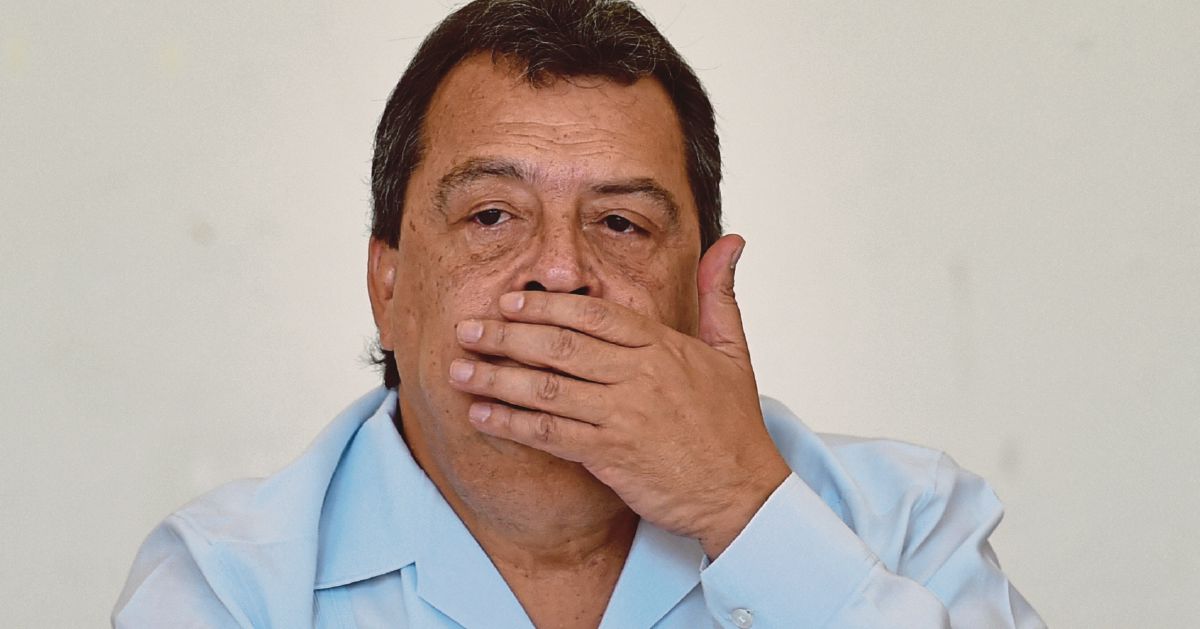
The former governor of Mexico's Guerrero state has been taken into custody on suspicion of deliberately eliminating investigative material that could have illuminated the fate of 43 students who went missing in 2014, Mexican authorities announced Thursday. This arrest represents a pivotal moment in one of the country's most harrowing disappearance cases, which has drawn international scrutiny and sustained pressure from families of the missing.
The 43 students from the Ayotzinapa Rural Teachers College vanished in September 2014 from the town of Iguala in Guerrero, sparking an investigation that has become emblematic of Mexico's wider struggle with organized crime and state corruption. The case captured global attention and remains a touchstone for discussions about impunity and the need for accountability in Mexico's justice system. Multiple investigations have pointed to involvement by local authorities and criminal organizations, though establishing precise culpability has proven complex and contested.
Allegations of evidence destruction point to a troubling pattern in high-profile Mexican cases where official actors may have systematically obstructed investigations into serious crimes. The decision to order the removal or destruction of material that could have advanced understanding of what happened to the 43 young men suggests deliberate interference with the investigative process at an institutional level. This type of obstruction has historically been a significant barrier to justice in cases involving abuse of state power, particularly in southern Mexican states where organized crime and governmental structures sometimes intertwine.
The arrest comes after years of investigations and judicial processes that have involved multiple government agencies and international observers. Mexico has faced persistent criticism from human rights organizations regarding the handling of the case, with many arguing that comprehensive truth and justice have remained elusive. The targeting of a former governor underscores that accountability may eventually extend to figures who occupied senior positions during the period when the students disappeared.
For regional observers, the case illustrates the vulnerability of citizens in areas where state institutions have been compromised or weakened. Southeast Asian nations have documented comparable challenges in their own contexts, where missing persons cases and allegations of institutional obstruction have similarly undermined public confidence in the justice system. The Guerrero case offers sobering lessons about the consequences when accountability mechanisms fail at critical moments.
The students' families have campaigned persistently for answers, and this latest development may represent validation of their long struggle for recognition that institutional actors bore responsibility for the tragedy. Their advocacy has kept international and domestic attention focused on a case that authorities might otherwise have allowed to fade from public consciousness. The arrest signals, at least symbolically, that persistence in seeking accountability can eventually yield results, even when progress is glacial.
Investigations into the 43 students have produced competing narratives about their fate, with some evidence suggesting they may have been handed over to criminal organizations that subsequently eliminated them, while alternative theories have circulated regarding their involvement in other scenarios. The destruction of evidence would have robbed investigators and the public of potential clarity on these competing accounts. What material was allegedly destroyed, and what it might have revealed, remains a critical question that Mexican investigators will likely explore further through this legal process.
The case has broader implications for Mexico's ongoing struggle to establish rule of law and prosecute high-level corruption. When sitting or former officials obstruct investigations into serious crimes, it perpetuates a climate of impunity that discourages victims from seeking justice through official channels. The Mexican government's decision to pursue charges against a former governor demonstrates at least some commitment to holding power accountable, though critics note that such prosecutions remain comparatively rare given the scale of alleged institutional failures.
The arrest also reflects evolving Mexican capacity to investigate and prosecute complex cases involving state actors. Over the past decade, specialized investigative units and courts have developed expertise in cases where official wrongdoing is implicated. These institutional developments, though still incomplete and sometimes inconsistent, have enabled authorities to move forward on investigations that once seemed permanently stalled. The Ayotzinapa case has benefited from sustained international attention and involvement of specialized investigators, resources that many other disappearance cases in Mexico lack.
For families of missing persons across Latin America and Asia, the Guerrero case carries significance as a demonstration that passage of time alone does not preclude eventual accountability. While the arrest of a former governor does not constitute full truth or justice for the 43 families, it signals that institutional actors cannot assume they will escape scrutiny indefinitely. This may encourage other victims' families to persist in their own demands for investigation, even when progress appears stalled.

