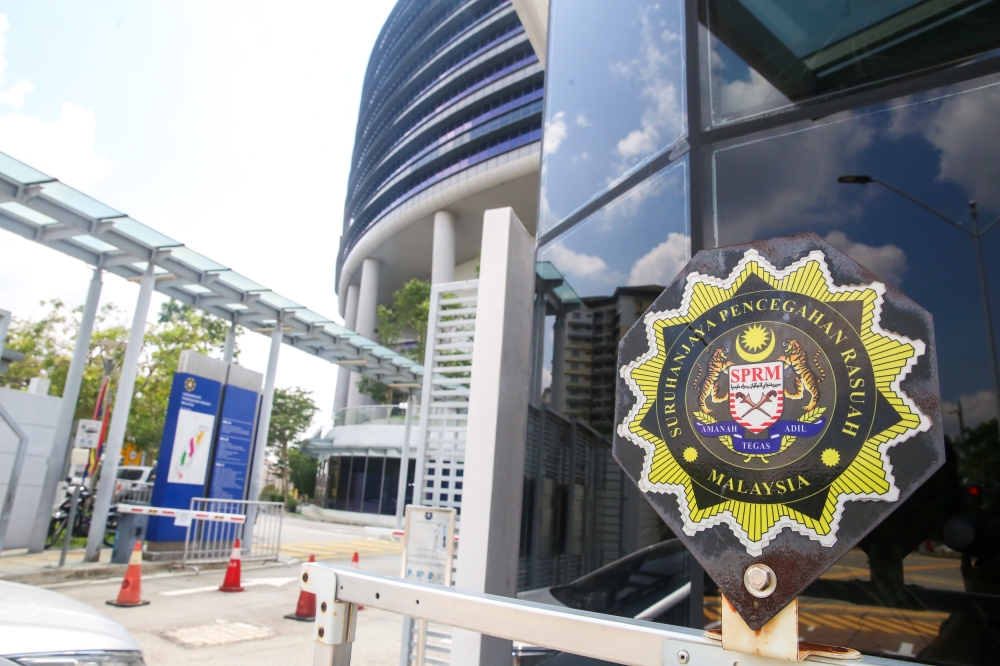
The Malaysian Anti-Corruption Commission in Kuala Lumpur has secured a four-day remand order for a former government employee suspected of orchestrating an elaborate identity fraud scheme targeting social assistance programmes. The suspect allegedly weaponised the personal details of eleven people to unlawfully channel RM300,000 in welfare payments into his own pockets, representing a brazen violation of public trust that authorities say warrants immediate investigation and potential prosecution.
The case exemplifies a growing vulnerability within Malaysia's welfare administration systems, where administrative safeguards designed to protect vulnerable beneficiaries have been circumvented through the misuse of individual identification data. Investigators are treating the allegations with considerable seriousness given both the scale of the financial loss and the deliberate nature of the fraud, which required sustained effort to access and manipulate multiple citizen records. The remand period affords enforcement officers time to establish the full scope of the conspiracy and identify whether additional suspects or institutional weaknesses enabled the wrongdoing.
Authorities have not yet disclosed whether the former civil servant exploited his previous position within government structures to gain unauthorised access to personal identification systems or welfare databases. Such access would have substantially simplified the logistics of the scheme, lending weight to suspicions that the fraud could not have proceeded without insider knowledge or collaborative assistance from individuals still embedded within the bureaucracy. The MACC is understood to be pursuing multiple investigative leads to determine whether institutional negligence or active complicity on the part of other officials facilitated the crime.
The eleven supposed beneficiaries whose identities were misappropriated face significant implications, as fraudulent claims lodged under their names may create adverse records in government systems or affect their eligibility for legitimate assistance in future. These individuals have become unwitting victims of identity theft perpetrated within what should be a confidential administrative environment. Restoring their records and reputations will require coordinated action across multiple government agencies responsible for social welfare administration and citizen data protection.
This incident strikes at the heart of public sector integrity, a cornerstone of government legitimacy in Malaysia. Citizens expect that individuals processing welfare applications and managing sensitive personal data operate under strict ethical codes and professional standards enforced through rigorous oversight mechanisms. When those standards are violated—particularly by officials entrusted with administering programmes designed to support the disadvantaged—it erodes confidence in government institutions and creates justifiable scepticism about whether aid reaches intended recipients.
The scale of the alleged fraud, while substantial, may represent only the tip of a broader problem within welfare administration systems across Southeast Asia. Malaysia's social safety net has expanded considerably in recent years to address poverty and inequality, yet such expansion can create administrative complexity that criminal actors exploit. Budget-constrained agencies sometimes lack the technological infrastructure and human resources necessary to implement robust verification protocols that would detect phantom beneficiaries or duplicate claims.
Regional observers note that identity fraud targeting social programmes has become increasingly prevalent across Southeast Asian countries, where rapid digitalisation of government services sometimes outpaces the implementation of equally robust security frameworks. The MACC investigation may yield valuable intelligence about vulnerabilities in Malaysia's specific systems, potentially exposing gaps that dishonest officials or external fraudsters have learnt to exploit through experience or information-sharing networks operating in the criminal underground.
The case also highlights the importance of transparency and accountability mechanisms within government employment structures. If the former civil servant accessed welfare systems through his official credentials, it suggests that neither robust digital audit trails nor supervisory oversight prevented him from initiating suspicious transactions. Such institutional weaknesses, once identified, must be remedied through investment in technology and personnel training to prevent recurrence by other dishonest officials.
Prosecutors will need to establish not only that the suspect unlawfully claimed payments under false identities, but also that he acted with deliberate intent to defraud the government and deprive deserving citizens of assistance resources. The evidence gathering process will likely involve forensic analysis of financial transactions, examination of welfare application documentation, and interviews with the genuine identity holders to establish they did not authorise the claims. Database administrators may need to reconstruct access logs showing when and how the suspect obtained the personal information he exploited.
The MACC's decision to pursue the matter reflects broader efforts to combat corruption within Malaysia's public institutions, particularly in areas where financial resources and personal data intersect. Strengthening penalties for such crimes and ensuring that prosecutions result in meaningful custodial sentences serves a deterrent function, signalling to other officials that exploitation of position for personal financial gain carries serious consequences. Public awareness of high-profile cases also encourages citizens to scrutinise their own government records and report suspicious activity involving their personal information.
Regional authorities watching this investigation will likely seek to implement similar protective measures within their own welfare systems, as cross-border information sharing among law enforcement agencies allows best practices and cautionary lessons to spread efficiently. Malaysia's experience with this particular scheme may inform policy discussions across ASEAN about standardised approaches to welfare programme integrity and data security.

