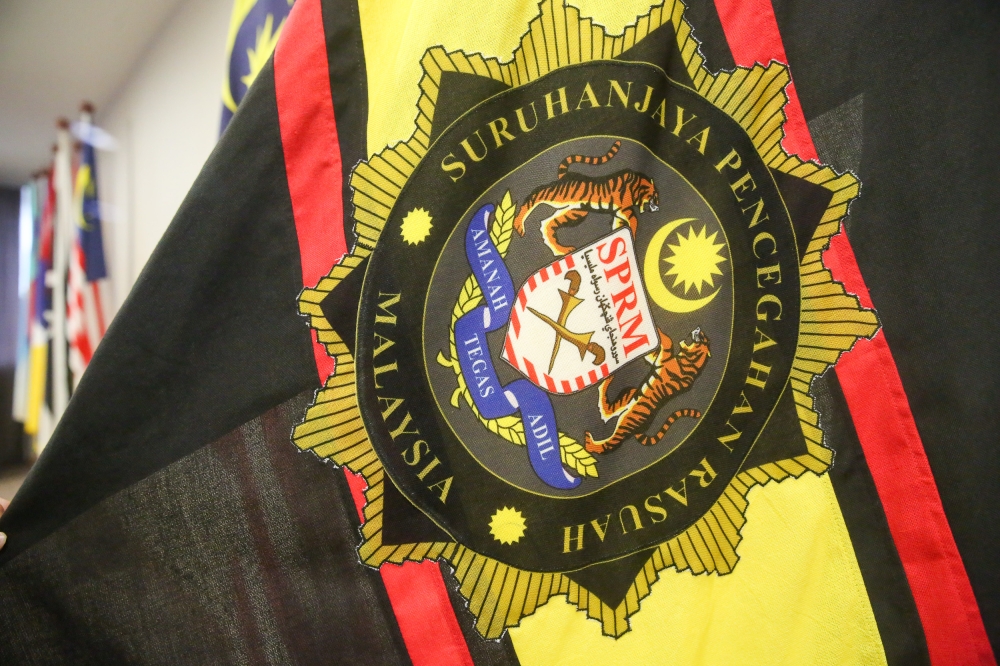
The Malaysian Anti-Corruption Commission has apprehended a former estate manager employed by a rubber sapling supply enterprise operating in the Klang Valley region as investigators pursue allegations surrounding an RM8 million transaction. The detention forms part of a widening probe into potential irregularities linked to findings from the Tabung Haji Royal Commission of Inquiry, which has cast scrutiny over several significant procurement decisions made by the pilgrim fund during recent years.
The Putrajaya-based anti-graft agency's action signals an escalation in its examination of supply chain arrangements that may have involved inflated pricing or misallocation of Tabung Haji resources. Detentions of this nature typically indicate investigators have gathered sufficient preliminary evidence to warrant custodial questioning, allowing them to probe the suspect's knowledge, decision-making processes, and any connections to other parties implicated in the transaction.
The Tabung Haji RCI, established to examine allegations of financial mismanagement at the statutory body responsible for administering the hajj and umrah savings scheme for Malaysian Muslims, has proven fertile ground for corruption investigations. The commission's findings have prompted law enforcement agencies to scrutinise contracts and procurement exercises that appeared unusually favourable to particular vendors or involved suspicious pricing mechanisms.
Rubber saplings represent a legitimate agricultural commodity in Malaysia, where rubber cultivation remains economically significant. However, the investigation's connection to Tabung Haji raises questions about why a pilgrim fund would be acquiring such agricultural products on a substantial scale. This suggests either legitimate agricultural investments undertaken by Tabung Haji, or potential diversion of institutional resources towards unrelated ventures—a pattern frequently observed in institutional fraud cases.
The RM8 million figure denotes a transaction of considerable magnitude, well beyond typical procurement thresholds that might warrant heightened governance scrutiny. At such a scale, institutional purchasing protocols should have included competitive tendering processes, independent verification of pricing benchmarks, and approval from appropriate committees or boards. Deviations from standard procedures often indicate deliberate circumvention designed to benefit preferred suppliers.
The Klang Valley location underscores how commercial activity in Malaysia's industrial heartland frequently becomes entangled with allegations of corporate malfeasance. The region's concentration of trading companies, agricultural suppliers, and logistics operators creates environments where supply chains can be obscured and transactions legitimised through seemingly routine business documentation.
For Malaysian readers, this development carries broader implications regarding institutional accountability. Tabung Haji's central role in the lives of millions of Muslim Malaysians—holding accumulated savings for religious pilgrimage—makes governance lapses particularly significant. Findings of fraud or mismanagement directly undermine public confidence in institutions entrusted with personal financial assets, particularly among lower and middle-income groups for whom Tabung Haji represents a critical savings mechanism.
The investigation also illuminates enforcement priorities within Malaysia's anti-corruption architecture. The MACC's willingness to pursue cases emerging from RCI recommendations demonstrates institutional commitment to translating investigative findings into prosecutorial action. However, the pace and eventual success of such cases often depends on investigative resources, witness cooperation, and evidentiary challenges inherent in complex commercial transactions spanning multiple parties.
Suspects detained by the MACC typically remain in custody for questioning spanning several days, during which investigators seek admissions, clarification of documentation, and identification of additional parties potentially involved in irregular transactions. The estate manager's position suggests knowledge of supply-side operations, including vendor relationships, pricing negotiations, and delivery mechanisms—details essential to reconstructing how the transaction was executed and authorised.
The rubber sapling supplier industry in Malaysia, though ostensibly straightforward, has occasionally featured in corruption cases where bulk purchases at inflated prices served as mechanisms for transferring institutional funds to connected parties. Investigators will likely examine whether market prices were exceeded, whether alternative suppliers offering better value were excluded from tendering, and whether the purchasing institution received goods matching specifications and quantities invoiced.
This case arrives amid heightened public scrutiny of Tabung Haji's management and governance structures. Parliamentary and media attention has focused on institutional spending patterns, procurement practices, and whether internal audit mechanisms adequately identified questionable transactions. The RCI's work essentially provided investigators with documented concerns requiring criminal investigation, effectively triaging cases worthy of enforcement resource allocation.
The detention's timing and scope suggest this investigation may expand beyond the former estate manager to potentially encompass other individuals who authorised payments, approved purchasing decisions, or facilitated the supply arrangements. Complex institutional fraud typically implicates multiple actors across procurement, finance, and governance functions, each playing roles that individually might appear routine but collectively constitute systematic misappropriation.
For Southeast Asian observers, this development reflects Malaysia's ongoing struggles with institutional corruption despite expanded enforcement capabilities and investigative infrastructure. The sophistication of modern fraud—layering transactions across multiple entities and obscuring irregular elements within ostensibly legitimate commercial activity—continues testing the capacity of anti-corruption agencies to detect, investigate, and prosecute cases effectively.

