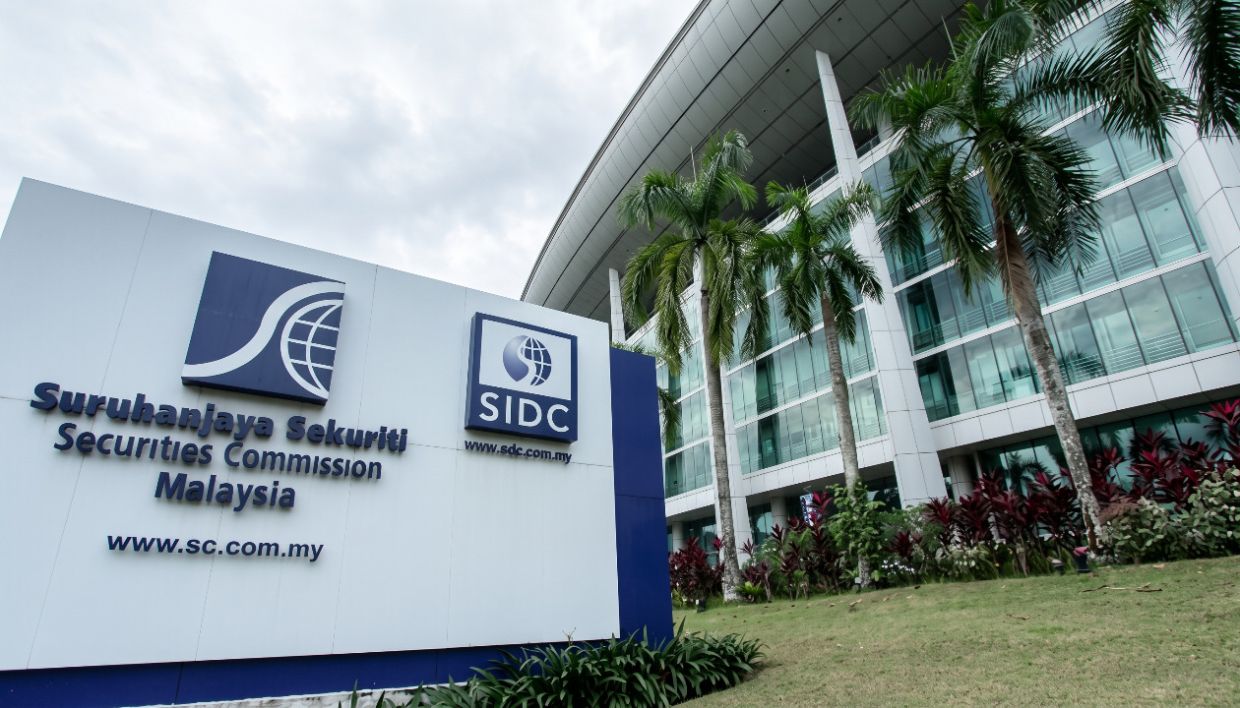
Mohd Arif Fadzlee Mohd Arifin, a former bank analyst, has been handed a three-year custodial sentence by the Kuala Lumpur Sessions Court after being found culpable of carrying out unlicensed regulated financial activities and improperly adopting the Unit Trust Consultant (UTC) designation. The conviction marks a significant enforcement action by Malaysia's financial regulator in policing unauthorised market conduct that poses risks to retail investors and the integrity of the capital markets.
The Securities Commission Malaysia (SC) originally charged Mohd Arif in January 2024 with two separate breaches of the Capital Markets and Services Act 2007 (CMSA). The prosecution centred on his conduct in presenting himself as a representative of CIMB Wealth Advisors Berhad whilst engaged in dealing with securities—a heavily regulated activity—without holding the requisite Capital Markets Services Representative's Licence (CMSRL) issued by the SC. Under Malaysia's capital markets framework, any individual engaged in securities dealing must first obtain formal licensing from the SC and be formally registered with their employer. Mohd Arif's failure to meet these mandatory requirements formed the crux of the first charge under section 59(1) of the CMSA.
The second charge related to his misuse of the UTC title, which operates as a regulated designation conferring the impression of legitimate licensing authority to transact in securities. This deliberate misrepresentation is particularly problematic because it actively deceives consumers into believing he possessed regulatory approval when none existed. By leveraging a professional-sounding designation, Mohd Arif created a false veneer of legitimacy that could influence unsuspecting investors to entrust him with their capital. This conduct falls under section 362(3) of the CMSA and addresses a common vulnerability in the financial ecosystem where title misuse can rapidly erode consumer confidence.
Mohd Arif's unlawful activities occurred across 2011, with incidents documented in both Petaling Jaya and Nilai, towns in the Klang Valley region. The temporal gap between the actual offences and the formal charges—spanning approximately thirteen years—highlights how financial crime investigations can sometimes require extended investigation periods to gather sufficient evidence and build compelling cases. The accused maintained his innocence throughout proceedings, entering a plea of not guilty to both charges and posting bail of RM60,000 to secure his release pending trial.
The trial itself unfolded over an extended period, with prosecutors presenting testimony from ten witnesses, including two individuals who had suffered financial detriment as customers of Mohd Arif. The victims' participation in proceedings underscored the tangible harm inflicted by unlicensed intermediaries, who typically lack the compliance infrastructure, professional indemnity insurance, and supervisory oversight that regulated entities maintain. On February 27, 2026, the court determined that the prosecution had successfully established a prima facie case against the defendant, mandating that Mohd Arif mount a substantive defence addressing the allegations.
In formulating his defence strategy, Mohd Arif chose to take the witness stand and provide sworn testimony. However, he presented no corroborating witnesses or documentary evidence to support his account of events or challenge the prosecution narrative. This defensive posture proved insufficient to convince the bench that reasonable doubt existed regarding his culpability. The court's analysis ultimately found that Mohd Arif had failed to undermine or discredit the prosecution's evidentiary foundation, resulting in conviction on both charges.
The sentencing decision reflected the seriousness with which Malaysian courts treat unlicensed financial activity. Mohd Arif received three years imprisonment for the first charge under section 59(1) and an identical three-year sentence for the second charge under section 362(3), with both terms to run concurrently rather than consecutively. This concurrent arrangement means he will serve a total of three years rather than six, though the identical sentence length sent a clear message about the gravity of each component of his wrongdoing.
From a sentencing context, Malaysian legislation establishes substantial maximum penalties for such contraventions. Section 59(1) violations carry potential fines reaching RM5 million and imprisonment up to five years, or both. Section 362(3) offences invite fines capped at RM1 million alongside imprisonment terms not exceeding five years. The court's three-year custodial sentence therefore represents a meaningful enforcement response that sits comfortably within the statutory boundaries designed to deter similar conduct.
This judgment carries broader implications for Malaysia's financial stability and consumer protection architecture. The Securities Commission has intensified its focus on unlicensed intermediaries operating in the shadows of legitimate institutions, leveraging regulatory titles and institutional affiliations to lend false credibility to their operations. Such individuals exploit information asymmetries, exploiting the typical retail investor's difficulty in verifying credentials or understanding complex securities regulations. By securing custodial penalties in high-profile cases, regulators aim to raise the reputational and legal costs of unauthorised market participation.
The case also underscores why Malaysian investors should independently verify that their financial advisors possess valid SC registration before entrusting funds. Many victims of unlicensed dealing only discover the fraud after sustaining losses, at which point recovery becomes complicated. The SC maintains an online registry where investors can confirm the licensing status of any individual claiming to provide investment advice or securities services, a resource that provides meaningful consumer protection at the point of engagement.
Regionally, Malaysia's enforcement stance aligns with broader Southeast Asian regulatory trends emphasising financial crime prosecution and consumer safeguarding. Jurisdictions across the region have similarly ramped up penalties for unlicensed financial activity, recognising that such conduct undermines market integrity and diverts capital away from legitimate intermediaries competing on equal competitive footing. Mohd Arif's conviction joins a growing body of jurisprudence establishing that securities regulators will pursue and successfully prosecute financial crime, particularly where consumer deception features prominently.

