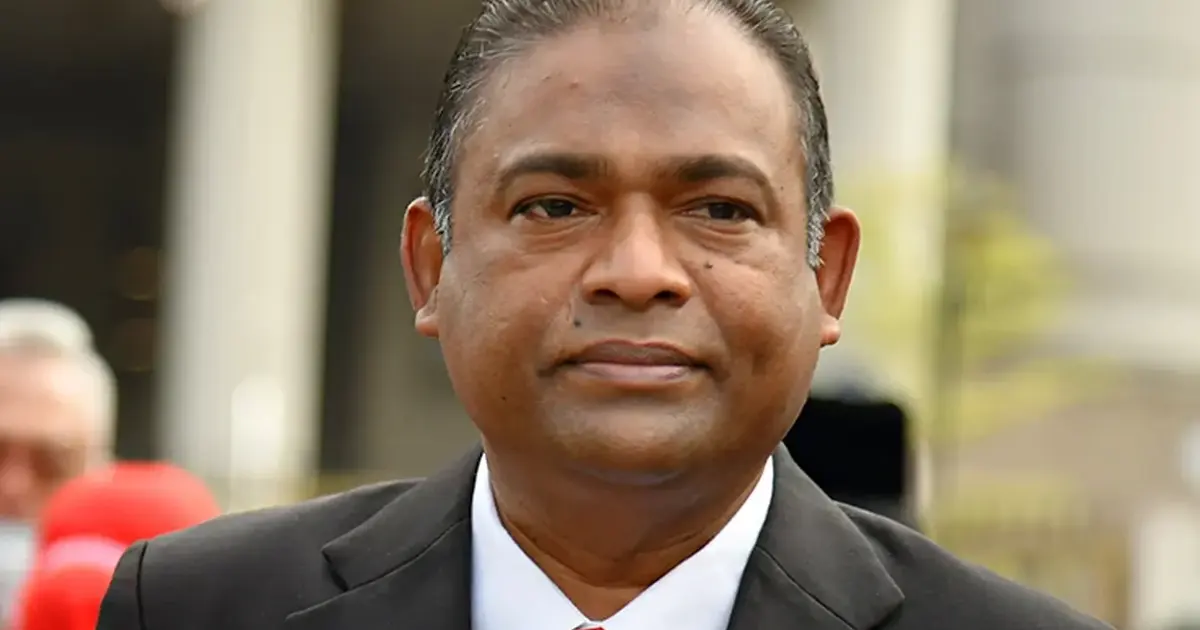
Rumours circulating across social media platforms since late yesterday have claimed that Abdul Azeez Abdul Rahim, the former MP for Baling and previous chairman of Tabung Haji, had been detained by authorities. However, his son has moved swiftly to dispel these allegations, stating unequivocally that his father has not been apprehended by the Malaysian Anti-Corruption Commission or any other law enforcement agency.
The rapid spread of unverified claims through online channels underscores the persistent challenge Malaysia faces in controlling misinformation during periods of heightened political scrutiny. Social media platforms have become fertile ground for speculation about high-profile political figures, particularly those with connections to state-linked institutions or controversial financial arrangements. The ease with which such rumours can proliferate—often without substantiation—reflects broader concerns about digital literacy and the verification practices of ordinary users.
Abdul Azeez Abdul Rahim's tenure as Tabung Haji chairman has been a subject of ongoing public interest, given the institution's significance as a savings and investment fund serving Muslim pilgrims and its role in managing funds designated for Hajj purposes. Any allegations involving leadership at such institutions naturally attract attention, particularly when questions arise about governance, financial management, or compliance with regulatory frameworks. The former MP's profile as a political figure amplifies public curiosity about his activities and legal standing.
The denial by his son carries weight as it provides a direct rebuttal from the family itself, yet the initial circulation of such claims—even when false—raises questions about the sources spreading this information and their motivations. In Malaysia's political environment, where tensions between different power centres remain evident, unsubstantiated reports about arrests can serve various agendas, whether to embarrass opponents, test public reaction, or simply generate engagement through sensational content.
From a governance perspective, the incident highlights the importance of official communication channels and timely clarification from authorities when serious allegations emerge. When law enforcement agencies do not immediately confirm or deny arrest reports, information vacuums tend to fill with speculation. The MACC and other relevant bodies could benefit from establishing clearer protocols for addressing public rumours about investigations or enforcement actions, provided such disclosure does not compromise ongoing inquiries.
For Malaysian readers following political developments, this situation exemplifies how distinguishing fact from fiction has become increasingly challenging in the digital age. The responsibility falls not only on institutions to communicate transparently but also on citizens to exercise greater scepticism toward unverified claims, particularly those lacking official confirmation or corroborating evidence from credible news outlets.
The former Baling MP's political career and subsequent roles have positioned him at the intersection of governance, religion, and finance—three domains that command significant public scrutiny in Malaysia. Any developments involving figures in such positions merit legitimate investigation and public discussion, yet this must be grounded in verified information rather than speculation amplified through social networks.
Moving forward, this incident serves as a reminder that responsible information consumption requires cross-referencing claims against official sources and established news organizations before accepting them as fact. The speed at which misinformation travels online often outpaces the ability of authorities to respond, creating windows of uncertainty that can damage reputations and undermine public confidence in institutions.
For stakeholders invested in Malaysian politics and governance—including investors, civil society organizations, and ordinary citizens—the ability to separate credible reporting from rumour directly affects informed participation in democratic processes. When social media becomes the primary source of political information, verification standards decline, enabling falsehoods to shape public perception before truth has time to catch up.

