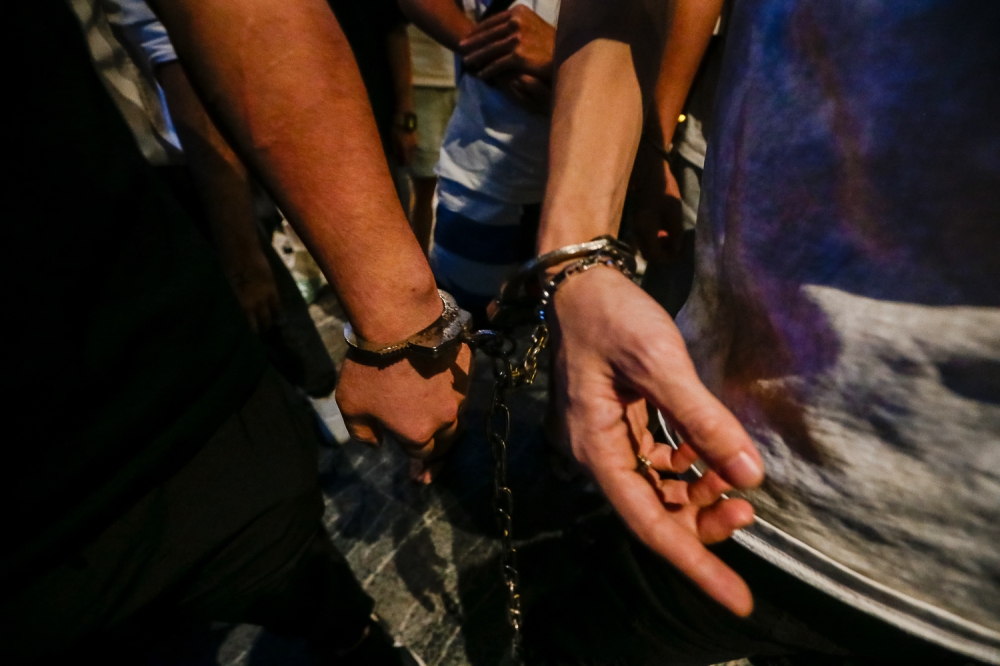
Authorities in Kuala Lumpur have apprehended a foreign national employed as a composer following allegations that he assaulted and made threats toward a student enrolled at a private educational establishment. The arrest was executed by officers from the Cheras police district, adding to a growing catalogue of incidents involving alleged misconduct within Malaysia's private education sector.
The incident highlights persistent concerns about student safety and institutional accountability in independent learning environments. Private institutions in Malaysia, while offering specialized curricula and alternative educational pathways, have occasionally faced scrutiny regarding internal protocols for managing disputes between staff and students. The involvement of a foreign professional underscores how Malaysia's openness to international talent in specialized fields such as music education carries corresponding responsibility for proper workplace conduct and behavioral standards.
Details surrounding the circumstances of the alleged assault remain under police investigation. Cheras police are examining statements from both the complainant and the accused to establish a comprehensive account of events leading to the confrontation. The nature of threats allegedly made, whether verbal or otherwise, forms part of the investigative scope as authorities work to determine whether charges will proceed under relevant provisions of Malaysian criminal law.
The detention of the composer reflects Malaysia's commitment to protecting vulnerable populations, particularly students who may find themselves in imbalanced power dynamics within educational settings. Student safety mechanisms have become increasingly important as private institutions proliferate across the Klang Valley and other urban centers. Parents and guardians expect institutional leadership to maintain environments where learning occurs without fear of physical harm or psychological intimidation.
The foreign national's arrest also raises questions about institutional vetting procedures and the adequacy of background screening processes for international employees in sensitive roles. Educational establishments recruiting talent from abroad must implement rigorous verification systems to assess professional qualifications, track records, and suitability for positions involving direct student contact. Malaysia's immigration and employment frameworks permit substantial hiring flexibility for specialized professionals, but this openness requires corresponding safeguarding mechanisms within hiring institutions.
This development emerges against a backdrop of broader discussions about workplace dynamics in Malaysia's education ecosystem. In recent years, various incidents involving alleged misconduct by educators and institutional staff have generated public concern about internal complaint mechanisms and the responsiveness of management to reports of inappropriate behavior. Student and parent advocacy groups have repeatedly called for stronger transparency in how allegations are handled and greater emphasis on preventive training for all personnel working with young people.
The case also touches on issues of legal jurisdiction and accountability for foreign nationals involved in alleged criminal activity on Malaysian territory. While international professionals contribute valuable expertise to specialized fields including music composition and instruction, they remain subject to Malaysian laws and legal procedures. The police investigation will determine whether the evidence supports criminal charges and what penalties might apply if allegations are substantiated in court proceedings.
Private educational institutions in Malaysia operate under the purview of the Ministry of Higher Education and must comply with various regulatory frameworks governing student welfare and institutional governance. However, the decentralized nature of private education creates variations in how different establishments approach complaint procedures and staff conduct policies. This incident may prompt regulatory discussions about establishing more uniform standards across the sector, particularly regarding transparent reporting mechanisms and swift responses to allegations of physical assault.
The investigation also has implications for the broader foreign workforce in Malaysia's knowledge economy. Education, technology, and specialized services sectors depend on international recruitment to access expertise not readily available domestically. Maintaining public confidence in these sectors requires swift, credible responses to misconduct allegations and clear messaging that Malaysia does not tolerate violations of criminal law regardless of an individual's professional status or national origin.
As the Cheras police investigation progresses, the case will likely influence conversations among parents considering enrollment at private institutions regarding due diligence in selecting schools and demanding transparency about staff backgrounds and institutional safety records. Educational establishments may face increased pressure to publish comprehensive data on incidents, complaint resolutions, and preventive measures implemented to protect students.
The detention represents a moment for Malaysia's private education sector to reassess its safeguarding policies and demonstrate commitment to student protection. Institutional leadership will need to balance maintaining international academic standards and recruiting global talent with implementing rigorous internal checks that prioritize student welfare above all other considerations.
Pending the outcome of police investigations and any subsequent court proceedings, this incident serves as a reminder that allegations of assault within educational settings demand thorough examination and appropriate consequences for those substantiated as responsible, regardless of whether the accused are Malaysian citizens or foreign professionals contributing to the nation's knowledge base.

