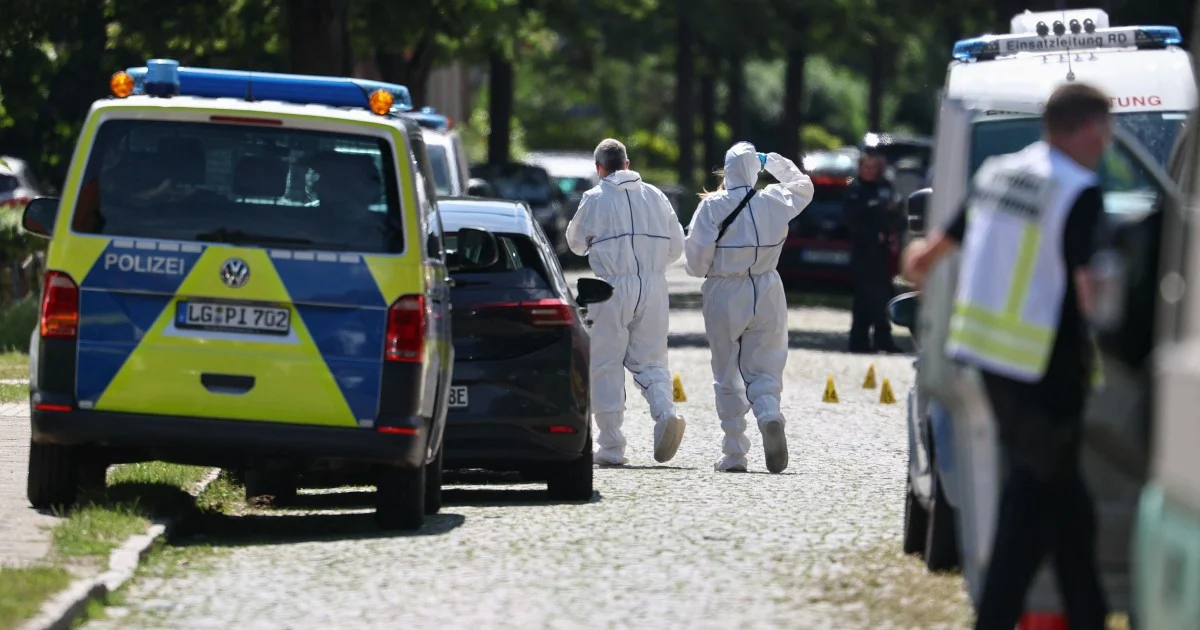
A shooting at a youth welfare centre in Stade, Germany, on Monday claimed five lives in what authorities are describing as one of the nation's most serious mass shooting incidents in recent memory. Police confirmed that a suspect has been apprehended in connection with the attack, bringing the immediate security threat to an end. The incident has sent shockwaves across Germany and beyond, reigniting concerns about gun violence in a country that has maintained relatively strict firearms regulations for decades.
The facility targeted in the attack serves as a welfare and support centre for young people, making the location particularly significant from a community perspective. Youth welfare centres across Germany provide crucial services including counselling, educational support, and social integration programmes for vulnerable young people. The attack on such an institution strikes at the heart of Germany's social safety infrastructure and raises troubling questions about security at public facilities that serve some of society's most vulnerable populations.
Germany has long prided itself on having some of Europe's most stringent gun control laws, implemented following historical tragedies and implemented through the Weapons Act. The country requires extensive licensing, background checks, and psychological evaluations for gun ownership, and permits are generally granted only for specific purposes such as sport shooting or hunting. Despite these comprehensive regulatory frameworks, mass shooting incidents do occasionally occur, though they remain comparatively rare compared to other developed nations.
The arrest of the suspect represents the conclusion of an acute emergency phase following the attack. German police responded rapidly to the incident, and their swift apprehension of the perpetrator prevented potential further loss of life. Investigators will now focus on understanding the motivations behind the attack, examining the suspect's background, mental health history, and any potential grievances or warning signs that may have preceded the violence.
For Malaysian readers, this incident offers perspective on how even highly developed nations with robust regulatory systems face challenges in preventing targeted violence. Southeast Asia, including Malaysia, has generally experienced lower rates of mass shootings than Western countries, though firearm regulations remain an ongoing policy consideration. The incident also highlights how youth welfare and support systems, which are expanding across the region, require thoughtful security planning without compromising their essential accessibility and supportive mission.
The psychological and social dimensions of mass shootings continue to puzzle criminologists and security experts worldwide. While Germany's incident is not the first of its kind in the country, each occurrence prompts renewed examination of early intervention systems, mental health support, and community awareness programmes that might identify individuals at risk of committing violent acts. The challenge lies in balancing privacy rights with public safety concerns.
Community impact in Stade will be substantial and long-lasting. The residents of this Lower Saxony city will process not only the immediate tragedy but also the broader questions it raises about safety in public institutions. Grief counselling and trauma support services will likely be mobilised for survivors, family members, colleagues, and community members affected by the violence. Schools and other youth-serving organisations may also enhance their security protocols in response.
International law enforcement agencies often study mass shooting incidents to identify patterns and improve prevention strategies. German federal police and state authorities will conduct thorough forensic and investigative work to document the circumstances surrounding the attack. This information contributes to a global understanding of how and why such incidents occur, informing policy discussions across different jurisdictions.
The incident reflects broader European concerns about public safety and social cohesion. While Germany maintains strong social safety nets and mental health services, the attack demonstrates that systemic safeguards cannot eliminate all risk of violence. Policymakers across Europe and beyond will likely revisit discussions about threat assessment protocols, mental health intervention, and community reporting mechanisms.
For victims' families and the broader Stade community, the coming weeks and months will involve grief, investigation, and gradual recovery. Support networks within Germany, including governmental agencies and civil society organisations, will mobilise to assist those affected. The incident serves as a sobering reminder that tragedy can strike in places designed to nurture and support young people, and that comprehensive community responses combining empathy, investigation, and forward-looking prevention efforts remain essential priorities for any society.

