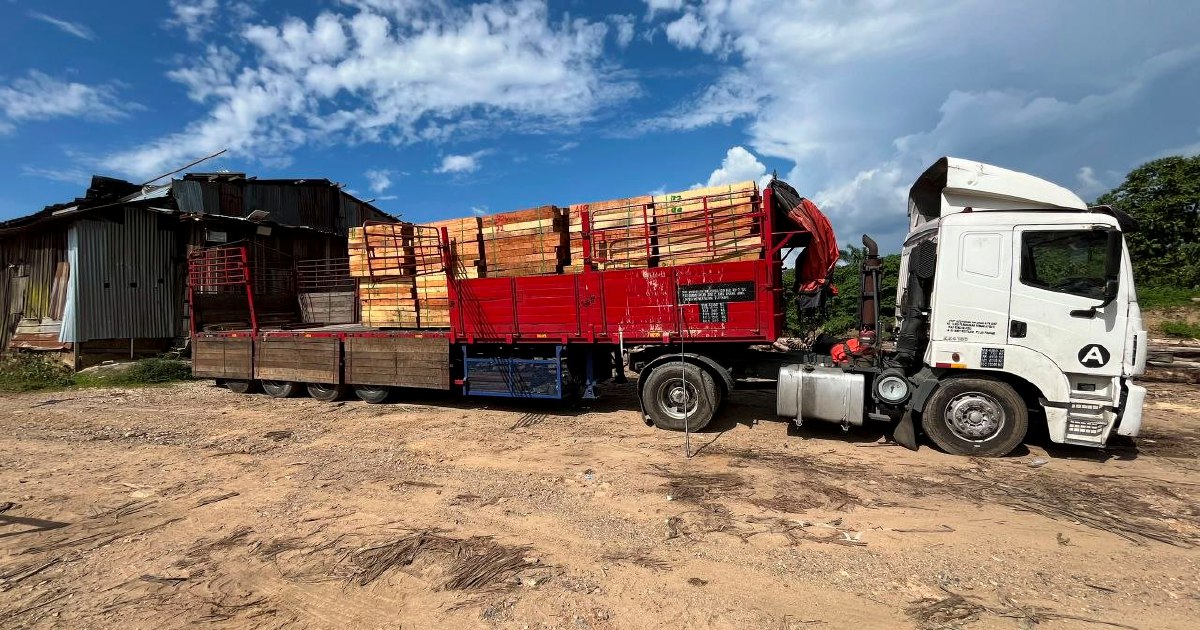
A major enforcement operation in Kelantan has led to the arrest of five individuals involved in illegal timber processing, with authorities recovering machinery and forest products valued at RM2.32 million during a raid in the Sungai Embak area of Kuala Krai. The operation represents a significant blow against timber smuggling networks that have long plagued Malaysia's forest resources, highlighting ongoing challenges in protecting the country's depleting woodlands from unregulated exploitation.
The clandestine factory was discovered following intelligence work by enforcement personnel, who descended on the facility to apprehend workers and operators engaged in unauthorised timber milling and processing. In addition to detaining the five suspects, teams impounded an extensive inventory of processing equipment, partially finished timber stock, and machinery used in the illegal operation. The combined value of seized assets reached RM2.32 million, underscoring the substantial commercial scale of the smuggling enterprise that had been operating in the district.
Kelantan has long been vulnerable to timber trafficking owing to its proximity to Thailand's border and the prevalence of primary forest coverage across the state. The porous nature of cross-border regions, combined with insufficient monitoring resources in remote areas, has made the state a persistent weak point in Malaysia's forest protection framework. Law enforcement agencies have intensified patrols and intelligence operations in recent years to address the problem, yet illegal milling continues to represent a significant threat to sustainable forestry practices and legitimate timber industries operating within regulatory parameters.
The discovery of such facilities underscores the sophistication of smuggling networks that facilitate the movement of unprocessed logs and milled timber across international borders. Many clandestine operations employ temporary structures and relocate frequently to evade detection, leaving minimal environmental compliance infrastructure. Workers engaged in these operations often lack awareness of the legal consequences involved, while middlemen and organisers coordinate supply chains that divert forest products away from legitimate channels and government revenue collection systems.
Environmental degradation resulting from illegal logging extends beyond simple resource loss. Unregulated forest harvesting destabilises ecosystems, accelerates soil erosion, and threatens biodiversity in sensitive regions. The Kelantan operation, like countless others throughout Peninsular Malaysia, Sabah and Sarawak, represents an extraction model that prioritises short-term profit over long-term environmental sustainability. For communities dependent on healthy forests for watershed management, agricultural productivity, and carbon sequestration, these illicit activities impose tangible ecological costs that extend far beyond commercial value calculations.
From an economic perspective, illegal timber operations distort market dynamics by undercutting legitimate processors who operate under licensing frameworks and bear compliance costs. Authorised timber mills must invest in environmental management systems, worker safety protocols, and export documentation procedures that increase their operational expenses. Smuggling rings circumvent these requirements entirely, generating unfair competitive advantages that incentivise further illegal activity and discourage legitimate industry investment. This market distortion has contributed to consolidation pressures on smaller, properly licensed operators throughout Malaysia.
The revenue implications for government are substantial. Illegal timber extraction represents a direct loss of forestry royalties and export taxation that would normally accrue to state governments and federal coffers. Over decades, such losses compound significantly, resources that could fund reforestation initiatives, conservation programs, and rural community development instead disappearing into private networks. For Kelantan specifically, timber-related revenues constitute a meaningful component of state economic activity, making enforcement operations economically justified investments.
Cross-border coordination remains critical in addressing timber smuggling effectively. Given Kelantan's geographical proximity to Thailand, bilateral information sharing and coordinated enforcement operations have proven essential in disrupting trafficking routes and apprehending organisers who orchestrate shipments across international boundaries. The Thai authorities have similarly grappled with illegal timber movements, and collaborative approaches between Malaysian and Thai enforcement agencies have occasionally yielded significant successes in recent years, though resource constraints continue to limit operational scope.
The arrested individuals face potential charges under the Malaysian Timber Industry Board Act and related forest laws that carry substantial penalties including imprisonment and fines. The severity of available sanctions theoretically provides strong deterrents, yet enforcement remains inconsistent across regions, and sentencing outcomes vary considerably depending on jurisdiction and prosecutorial priorities. Strengthening prosecution capacity and ensuring consistent application of timber law remains crucial to enhancing deterrent effects throughout the timber sector.
Moving forward, addressing timber smuggling requires multifaceted approaches extending beyond enforcement operations alone. Investment in forest monitoring technology, including satellite surveillance and drone patrols, could enhance detection capabilities in remote regions. Community engagement programs that incentivise local populations to report suspicious activities, combined with livelihood alternatives that reduce economic pressure toward illegal timber harvesting, offer complementary strategies. Simultaneously, enhancing cooperation between enforcement agencies, customs authorities, and port operators could tighten the logistical networks that enable smugglers to move products across borders and toward international markets.

