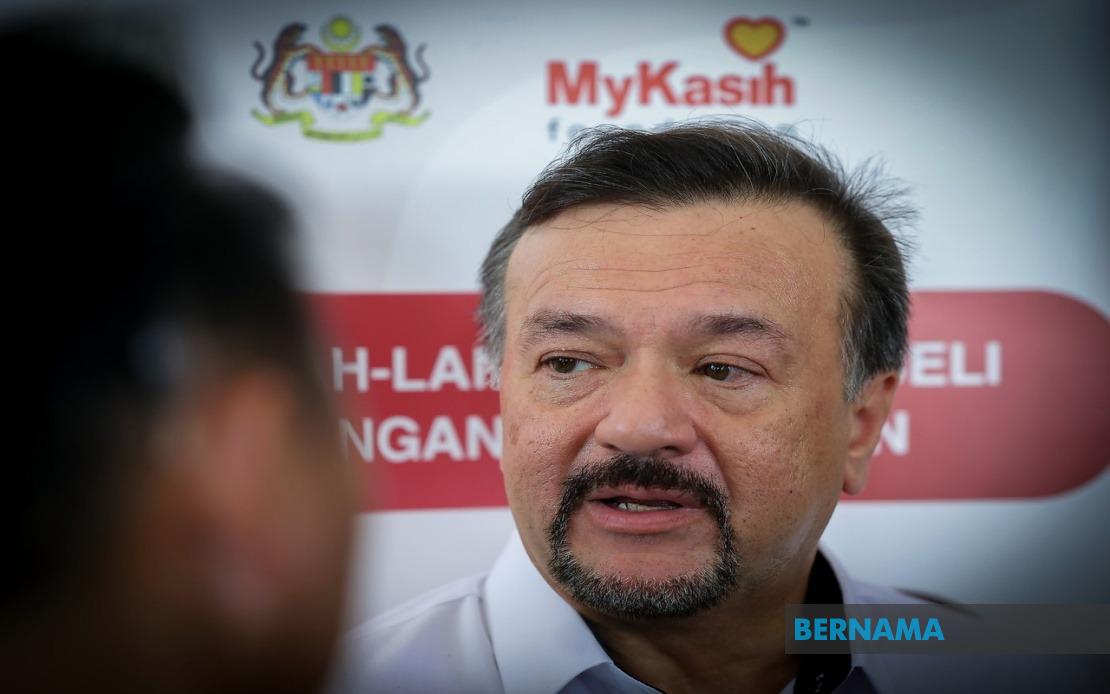
The Malaysian government has signalled flexibility in managing the BUDI MADANI Diesel subsidy scheme, with Finance Minister II Datuk Seri Amir Hamzah Azizan indicating that any modifications would be grounded in concrete consumption patterns rather than speculative requests. Speaking during a media briefing in Kuching on the implementation of targeted diesel subsidy reforms, Amir Hamzah underscored the ministry's willingness to entertain proposals that could enhance programme efficiency, though final decisions would rest upon empirical evidence accumulated during the rollout phase.
The BUDI Diesel initiative represents the government's latest attempt to transition away from universal fuel subsidies towards a more fiscally sustainable, means-tested system. By limiting benefits to qualifying users and monitoring their consumption, the scheme aims to reduce fiscal leakage while maintaining support for those most dependent on affordable fuel access. This marks a continuation of Malaysia's gradual subsidy reform journey, which has proven contentious given the political sensitivity surrounding energy costs in a country where transportation is integral to daily economic activity.
Amir Hamzah drew a direct parallel with Malaysia's experience implementing targeted subsidies for the RON95 petrol category. He noted that initial concerns from motorists about insufficient quotas have not materialised in practice. Data spanning January through May of this year revealed a striking finding: only 0.76 per cent of participants exceeded the 200-litre threshold. This suggests that the programme architects accurately anticipated usage patterns and that quota restrictions are not creating genuine hardship for the typical participant, undermining arguments for hasty expansion.
The finance minister's measured stance reflects a broader institutional preference for allowing policy instruments to operate through a full data-gathering cycle before making significant structural adjustments. Rather than responding reactively to vocal stakeholder complaints, the ministry is positioning itself to make recalibrations only when quantitative evidence definitively demonstrates systemic gaps or inequities. This approach carries both merits and risks: it avoids wasteful policy reversals but risks perpetuating problems if they exist undetected within the broader user population.
Particularly illuminating is the government's track record with targeted subsidies in the e-hailing sector, which Amir Hamzah highlighted as an exemplar of adaptive policymaking. When ride-sharing drivers reported inadequate fuel allocations, transport authorities did not dismiss the complaints but instead examined actual fuel consumption records provided by platforms. The resulting tiered quota system—offering drivers either 600 or 800 litres monthly depending on their verified usage patterns—demonstrates that the government is capable of implementing sophisticated, data-responsive subsidy architectures when institutional capacity and political will align.
The presence of Works Minister Datuk Seri Alexander Nanta Linggi at the briefing underscores the whole-of-government nature of subsidy reform, which touches infrastructure, transportation, and fiscal policy simultaneously. His participation signals coordination across ministries that manage different segments of the subsidy-dependent economy, from logistics operators to public transport providers. This institutional alignment is crucial given that poorly coordinated subsidy changes can create ripple effects across supply chains and consumer prices.
For Malaysian businesses reliant on diesel for operations, the government's openness to refinement offers some reassurance against abrupt policy shocks, though it also introduces uncertainty about future quota levels and programme durability. Small transport operators, agricultural enterprises, and construction firms—sectors heavily dependent on diesel consumption—will likely monitor government data releases and parliamentary questions on programme implementation with keen interest. Any evidence that usage constraints genuinely hinder commercial activity could prompt lobbying for quota adjustments, though the minister's comments suggest such requests must be accompanied by verifiable consumption data rather than anecdotal claims.
The BUDI Diesel programme sits within a broader regional context where Southeast Asian governments are navigating the tension between energy security, fiscal sustainability, and social stability. Indonesia, Thailand, and Vietnam have all experimented with targeted fuel subsidies, though implementation has varied considerably in effectiveness and public acceptance. Malaysia's emphasis on data-driven adjustments potentially offers lessons for the region, particularly regarding how to balance subsidy relief for vulnerable populations against the costs of universal programmes that benefit high-consumption users disproportionately.
From an economic efficiency standpoint, the government's insistence on allowing the programme to run before major revisions is defensible. Subsidy programmes often exhibit lag effects, where consumption patterns stabilise only after several months as users adapt their behaviour and expectations adjust. Premature quota increases could inadvertently lock in unnecessarily generous provisions that persist long after initial teething problems resolve. Conversely, if genuine gaps emerge—such as certain occupational groups consistently exhausting allocations—the government's stated flexibility suggests remedial action would follow once data substantiates the problem.
The finance ministry's measured posture also reflects awareness of fiscal constraints. While the government has committed to subsidy reform, the ultimate scope of relief available is finite. Every quota increase for one segment of beneficiaries implicitly involves trade-offs with other expenditure priorities or other subsidy recipients. By anchoring decisions to usage data rather than political pressure, the ministry positions subsidy policy as a technical matter, though this framing occasionally obscures the fundamentally political choices embedded within any distributional policy.
Looking ahead, stakeholders should anticipate that meaningful programme adjustments will emerge primarily through mid-year or annual reviews when accumulated data permits robust analysis of consumption distributions and programme performance. The government's messaging indicates that such reviews will occur, but only after sufficient time has elapsed to distinguish genuine demand patterns from initial volatility and user experimentation. This timeline may frustrate those seeking immediate changes, but it reflects a deliberate institutional preference for evidence-based policymaking that, if consistently applied, could enhance the credibility and durability of Malaysia's subsidy architecture.