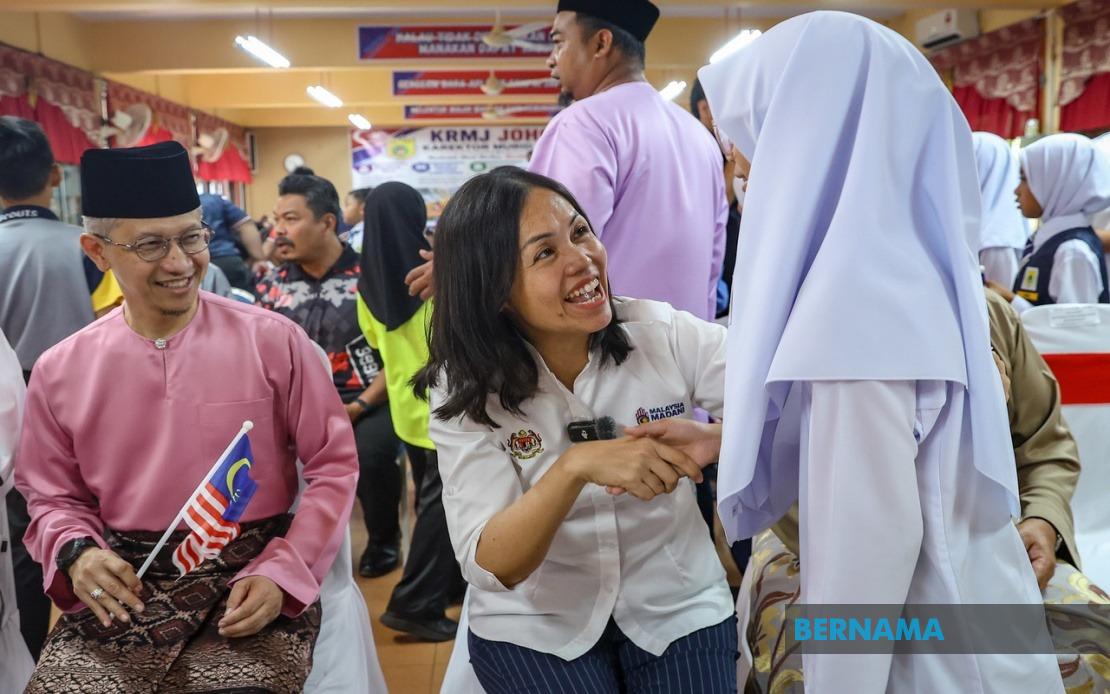
The Ministry of Communications is placing particular emphasis on strengthening Malaysia's film industry through its Budget 2027 allocation, according to Deputy Minister Teo Nie Ching. Speaking in Kulai, she indicated that boosting the creative sector represents a significant component of the ministry's broader development agenda, though specific figures and formal announcements will only materialise after scheduled discussions with the Ministry of Finance conclude next week.
The communications portfolio has already begun preliminary consultations with the Finance Ministry to map out its funding requirements and strategic priorities for the coming financial year. Teo explained that these informal preliminary talks have helped establish the groundwork for more comprehensive budget negotiations, allowing both ministries to understand the communications sector's needs and aspirations. While these preliminary conversations have not yet taken formal shape, they have provided an important platform for articulating the film industry's importance within Malaysia's broader economic framework.
The proposed enhancement of film industry support reflects recognition within government circles that Malaysia's creative sectors require sustained investment to compete regionally and internationally. Teo emphasised that the ministry's approach extends beyond simple financial allocation, instead focusing on developing and implementing comprehensive policies that can facilitate industry growth. This holistic strategy acknowledges that sustainable development requires structural reforms alongside funding, ensuring that investments translate into tangible benefits across the creative ecosystem.
The film industry has increasingly been identified as part of Malaysia's orange economy—a classification encompassing creative, cultural, and knowledge-based industries that generate significant economic value. These sectors contribute measurably to gross domestic product while also generating employment and fostering innovation. By prioritising policy development alongside budget increases, the Communications Ministry aims to ensure these industries maintain momentum and expand their contribution to the national economy. The approach reflects international best practices in creative economy development, where government support combines funding mechanisms with regulatory frameworks that remove barriers to growth.
Teo acknowledged that the scale of any budget allocation ultimately depends on the broader financial circumstances facing the federal government. This caveat underscores the reality that budget negotiations involve multiple competing priorities across different ministries, and that communications and creative sector funding must be justified within constraints affecting the entire public sector. Nevertheless, the ministry's willingness to formally propose film industry support to Finance suggests confidence that the case for investment can be made persuasively.
For Malaysian filmmakers and production companies, these signals from government represent potential opportunities for enhanced funding, tax incentives, or infrastructure development. The film industry has faced structural challenges in recent years, including competition from international streaming platforms and limited domestic production financing compared to regional competitors like Thailand and Singapore. Government support could address these competitive disadvantages by creating more favourable conditions for local film production and talent development.
Beyond the film sector specifically, the Communications Ministry's emphasis on orange economy industries reflects a broader policy shift across Southeast Asia toward knowledge-based and creative economic models. Malaysia, alongside regional peers, recognises that traditional manufacturing and resource extraction cannot indefinitely sustain economic growth. Creative industries offer pathways toward higher-value economic participation, though they require different support structures than conventional sectors. Investment in film, music, gaming, design, and digital content creation builds human capital while generating exportable products and services.
The timing of these budget discussions carries additional significance given Malaysia's position within global entertainment markets. The country hosts numerous international film festivals and production facilities, yet struggles to leverage these assets into consistent local industry development. Enhanced government support could help convert existing infrastructure and talent pools into a more robust, internationally competitive film sector. This would align with similar initiatives across Southeast Asia, where governments increasingly view film and audiovisual production as strategic economic assets.
During her visit to Kulai, Teo also addressed community needs through a separate initiative, presenting food assistance to B40 households in collaboration with local religious institutions. This reflects the broader portfolio of the Communications Ministry, which extends beyond industry development to encompassing cultural institutions and community welfare. The temple's earlier allocation of RM248,560 through the 2025 Non-Muslim Houses of Worship fund demonstrates how government support flows across diverse cultural and community contexts, reinforcing the ministry's role as guardian of diverse Malaysian interests.

