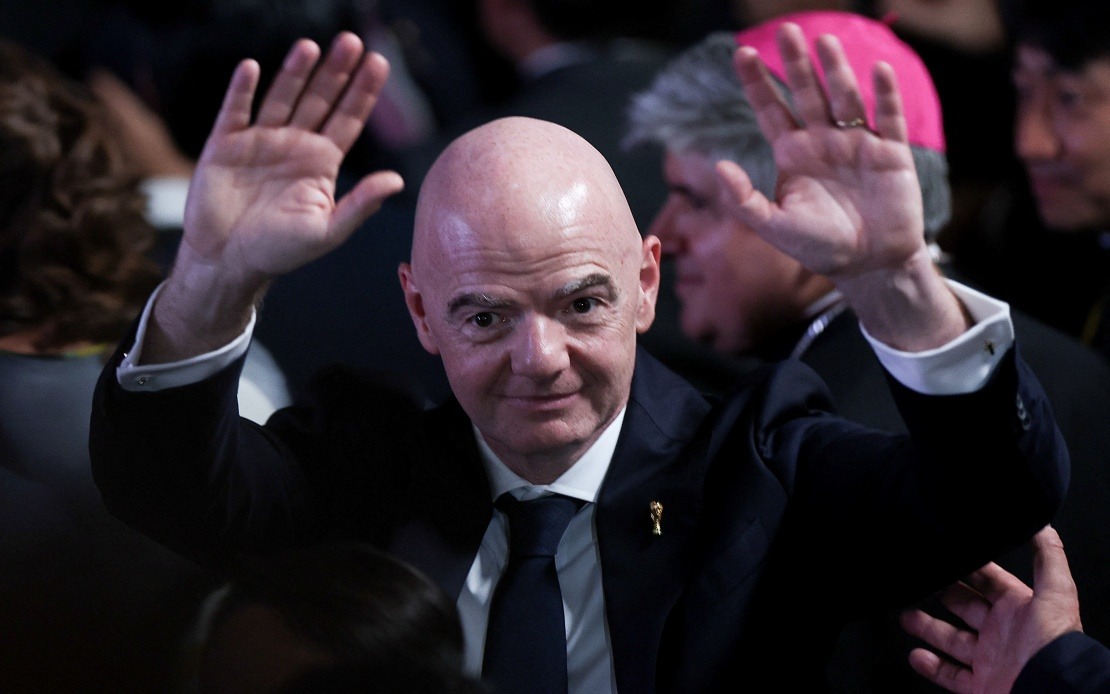
FIFA moved swiftly to shore up support for President Gianni Infantino on Saturday, issuing a strongly-worded statement that effectively warns against any efforts to challenge his authority through channels outside the organisation's formal governance structures. The statement, released in Istanbul, comes at a critical juncture as Infantino prepares to seek a fourth presidential term while facing mounting internal criticism about his management of football's governing body.
The world football authority was emphatic in its position, declaring it would neither support nor tolerate any presidential election process that deviates from FIFA's established statutes and democratic frameworks. This hard-line stance suggests FIFA's leadership has grown increasingly concerned about the legitimacy and viability of Infantino's re-election prospects, necessitating a preemptive defence against potential challengers. The organisation appears determined to prevent any alternative electoral pathways from gaining traction, effectively boxing in dissent within official channels where Infantino's support among member associations remains relatively strong.
Central to FIFA's argument is the assertion that Infantino possesses a clear democratic mandate from the organisation's 211 member associations who elected him to his current position. This claim seeks to delegitimise criticism by framing it not as substantive concerns about governance, but as the work of disgruntled minorities attempting to overturn a legitimate decision. The stance reflects a broader pattern within international sporting organisations of entrenching incumbent leadership by conflating democratic procedure with democratic legitimacy.
FIFA's statement specifically cited support from major continental confederations, notably CONMEBOL and CAF, indicating that Infantino has cultivated backing among key regional power brokers. For Southeast Asian readers, this development carries particular significance given the Asian Football Confederation's economic weight and voting influence within FIFA's broader membership structure. The explicit reference to these confederations serves as a reminder of how global sporting governance often reflects shifting geopolitical alignments rather than purely merit-based institutional assessment.
The organisation launched a blistering counterattack against what it characterised as a coordinated campaign to undermine both FIFA and Infantino personally. Rather than engaging substantively with specific allegations, FIFA employed language suggesting that critics were engaging in malicious distortion and propaganda. This rhetorical approach—dismissing concerns as manufactured and unsubstantiated without detailed rebuttal—has become increasingly common among organisations facing institutional scrutiny in the digital age.
Infantino's career trajectory formed a central element of FIFA's defence, highlighting his three decades within European and world football administration. The statement credits him with expanding opportunities and resources throughout the sport, positioning his tenure as fundamentally transformative. This framing attempts to shift the debate from governance and transparency questions toward a celebration of substantive achievements in growing the game's global footprint and commercial viability.
The language employed by FIFA reveals significant anxiety about the nature and reach of recent criticism. The organisation's emphasis that "repetition does not make an allegation true" and its complaint about unsubstantiated assertions suggests that critics have been leveraging media channels and social platforms effectively. For Malaysian observers of international sporting politics, this clash highlights how modern institutional defence increasingly involves managing information ecosystems rather than simply addressing factual disputes through traditional channels.
FIFA's invocation of legitimate scrutiny as welcome, provided it remains factual, represents a sophisticated rhetorical positioning. By claiming to embrace oversight while simultaneously attacking the credibility of actual scrutiny efforts, the organisation attempts to occupy the moral high ground. This strategy effectively insulates current leadership from substantive accountability while appearing to support transparency principles.
The timing of this statement, released ahead of Infantino's fourth-term campaign, suggests that internal divisions within FIFA's membership are more serious than public statements typically acknowledge. The need for such a forceful institutional defence indicates that support for the incumbent president may be less consolidated than FIFA's rhetoric implies. Member associations, particularly those with significant commercial interests in international football administration, appear divided on whether Infantino's leadership style and governance approaches serve their interests.
For Southeast Asia's football communities and their respective national associations, these internal FIFA dynamics carry practical implications. Questions about FIFA governance ultimately affect how resources flow to regional competitions, how technical development programmes are funded, and how dispute resolution mechanisms function. An unstable leadership situation at FIFA's apex could complicate decision-making affecting Asian football's development trajectory and commercial opportunities.
The statement's reference to FIFA's responsibility to strengthen the organisation while delivering for member associations underscores the fundamental tension at the heart of this conflict. Different constituencies within FIFA's membership appear to hold divergent views about what "strengthening" the organisation actually means—whether it prioritises commercial growth, governance reform, competitive equity, or other objectives. Infantino's leadership apparently advances some members' interests while frustrating others.
Looking ahead, FIFA's defensive posture suggests that Infantino's path to a fourth term, while likely given his current institutional support, may prove considerably more contested than his previous campaigns. The necessity of this statement itself indicates that the next FIFA presidential election will represent a more meaningful institutional choice than recent precedent might suggest, with implications extending far beyond European football into the game's entire global governance structure.

