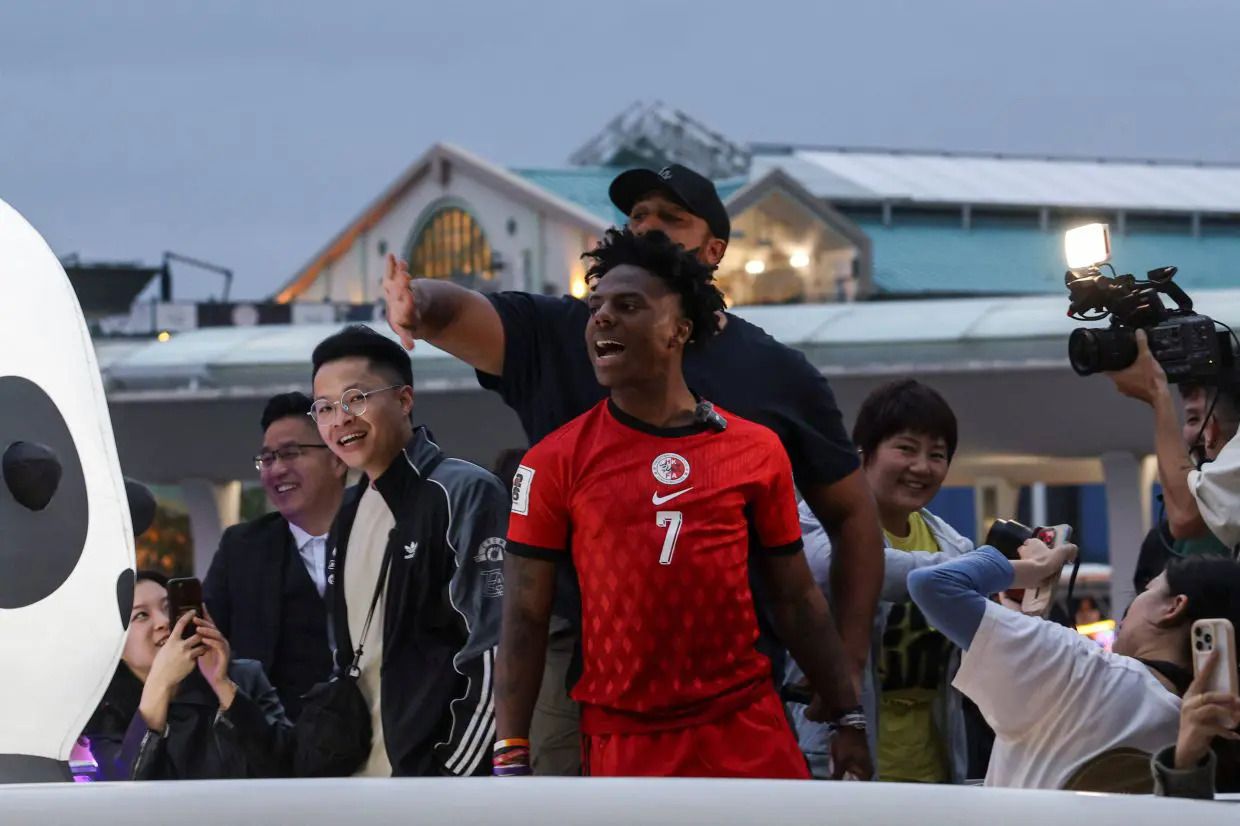
FIFA has initiated a formal investigation into allegations of racist harassment experienced by IShowSpeed, the enormously popular content creator with over 57 million YouTube subscribers, during last week's World Cup fixture between Argentina and Cape Verde at Miami Stadium on July 3, 2026. The international football governing body announced its probe on Tuesday via social media, signalling swift action in response to the reported incidents involving supporters at the venue.
IShowSpeed, the stage name of Darren Watkins Jr, is a 21-year-old American streamer whose influence extends across multiple digital platforms, commanding tens of millions of followers beyond YouTube alone. His massive audience makes him a significant cultural figure among younger demographics globally, and his presence at the tournament reflects the evolving landscape of how World Cup events are consumed and distributed to audiences worldwide through digital content creation.
The streamer's attendance at World Cup matches operates under a formal partnership arrangement negotiated between FIFA, YouTube, and Fox Sports, granting him special access to document and broadcast live coverage to his international viewership. This arrangement underscores FIFA's recognition of content creators as integral to modern sports broadcasting and audience engagement strategies, particularly in reaching younger demographics who consume sports content through digital platforms rather than traditional television.
The Miami Stadium incident represents a troubling breach of the standards FIFA has publicly committed to upholding. The governing body's official statement emphasised its firm opposition to racist behaviour, declaring that such conduct contradicts the values of football and has no legitimate place within World Cup competitions or society more broadly. This language reflects mounting pressure on FIFA to demonstrate tangible enforcement of anti-discrimination policies after years of criticism regarding inconsistent responses to racism at football events.
Complicating matters further, IShowSpeed reportedly experienced additional racist harassment during Tuesday's subsequent match between Argentina and Egypt, when an Argentine spectator engaged in monkey imitation gestures directed at the streamer during their interaction. The repetition of such incidents within a brief timeframe suggests either systemic failures in stadium security protocols or concerning attitudes among certain supporter groups attending World Cup fixtures in the United States.
The incidents highlight broader challenges facing football's governing structures in maintaining safe environments for all participants and observers at major tournaments. Racism remains a persistent problem within football despite decades of campaigns and official policies, with minority athletes, officials, and now digital content creators experiencing ongoing harassment at competitive venues. The targeting of IShowSpeed specifically may partly reflect generational or cultural attitudes toward his prominence as a young African-American content creator with massive influence.
For Malaysian and Southeast Asian readers, these developments carry particular significance as the region's own football communities have grappled with similar discrimination issues. Several Malaysian clubs and international matches have witnessed racist incidents over recent years, demonstrating that this problem transcends geography and tournament context. FIFA's investigation into the Miami incidents signals that enforcement mechanisms exist, though their effectiveness remains questionable given historical patterns of inconsistent punishment.
The situation also raises questions about FIFA's responsibility toward digital content creators operating under official sanction at World Cup events. By granting IShowSpeed special access and privileges to broadcast from stadiums, FIFA arguably assumes an obligation to provide equivalent security and safe-space protections compared to accredited journalists and players. Failure to do so potentially undermines both the streamer's safety and FIFA's credibility in claiming genuine commitment to anti-discrimination principles.
The World Cup context matters significantly here, as the tournament carries particular symbolic weight in global football governance and culture. Incidents at World Cup venues receive amplified attention precisely because they occur within football's most prestigious competitive framework and under FIFA's direct institutional oversight. This amplification can serve positive purposes, drawing attention to systemic problems and catalysing meaningful reform, or it can perpetuate cycles of reactive statements followed by minimal actual consequences.
IShowSpeed's experience will likely influence how future World Cups approach content creator participation and safety protocols. Whether FIFA implements specific security measures, stadium protocols, or supporter education initiatives remains to be seen. The investigation's outcomes and any subsequent disciplinary actions against identified offenders will signal the depth of FIFA's commitment beyond rhetorical condemnation.
The incident also underscores evolving demographics within football audiences and the sport's broader cultural significance. As streaming and digital content consumption reshape how younger audiences engage with sporting events, football institutions must adapt their governance frameworks accordingly. IShowSpeed's 57 million subscribers represent enormous reach and influence, making incidents targeting him consequential beyond the immediate stadium context.

