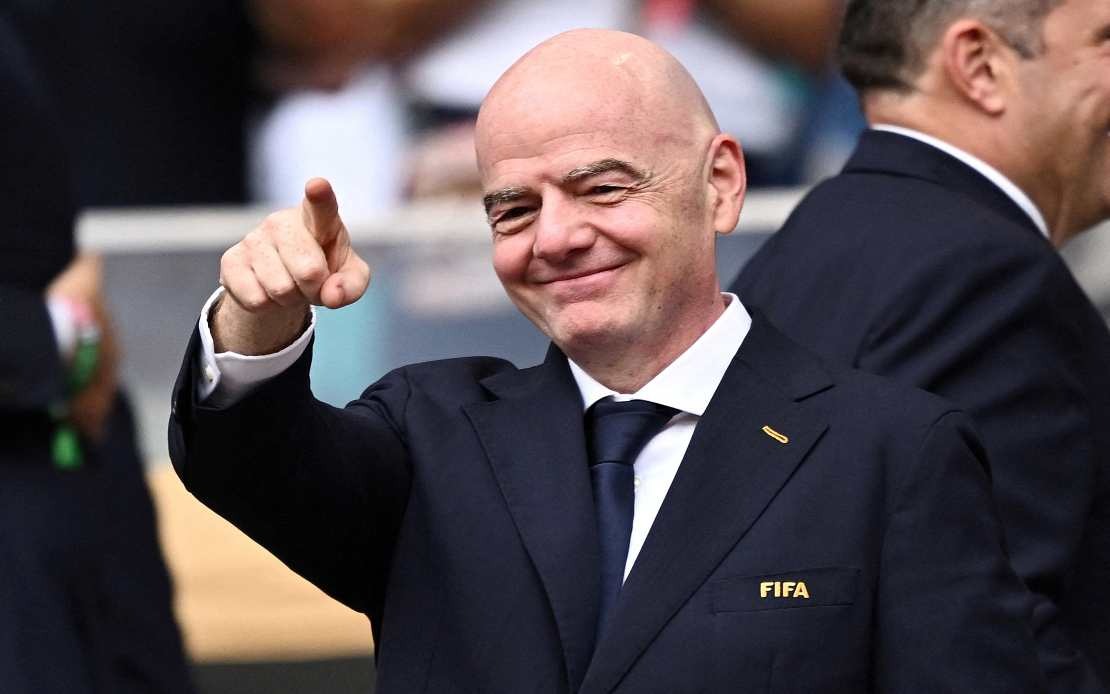
FIFA has engaged in what critics are viewing as an orchestrated campaign to secure support for President Gianni Infantino's re-election, dispatching pre-written letters of endorsement to national football associations worldwide. The letters, which arrived before the upcoming World Cup in the United States, Mexico and Canada, carried pre-printed signatures and names of association presidents, though distribution was inconsistent across different governing bodies. This approach has raised serious questions about the authenticity of the backing Infantino claims to enjoy across global football leadership, particularly as he navigates one of the most turbulent periods of his tenure.
The letters themselves emphasised Infantino's accomplishments during his years in office, particularly highlighting his role in expanding sports infrastructure development globally and advancing the profile and investment in women's football. These themes represent genuine initiatives that FIFA has pursued, including increased World Cup prize money for women's teams and expanded tournament participation. However, the method of securing association endorsements—through pre-composed correspondence with predetermined signatures—fundamentally undermines the credibility of such support and suggests FIFA management recognised that genuine voluntary backing might be difficult to obtain at present.
Not every football association received these letters, indicating either selective distribution or logistical gaps in the campaign rollout. This uneven approach suggests the initiative may have encountered resistance or practical obstacles that prevented universal circulation. For Southeast Asian football associations, which represent crucial voting blocs within FIFA's governance structure, the selective nature of these communications raises questions about their perceived influence or strategic importance in Infantino's re-election strategy. Malaysian football authorities would be among those monitoring how their peers respond to this governance controversy.
The broader context for this campaign centres on a transformative financial proposal that has triggered unprecedented backlash from major football confederations. In July, FIFA announced plans to generate US$4.2 billion through the sale of approximately 20 per cent equity in a newly created entity designed to hold the organisation's media and commercial rights, including World Cup broadcasting and merchandising portfolios. This represents the most significant privatisation of FIFA's revenue streams in the organisation's modern history, potentially reshaping how the world's largest sport generates and distributes its wealth.
Median reports identified Joshua Kushner's investment fund as a potential buyer of this stake, a connection that immediately drew controversy given his brother Jared Kushner's position as son-in-law to United States President Donald Trump. The involvement of prominent American business figures in acquiring control over FIFA's commercial operations triggered alarm bells across European football, with concerns about American commercial interests gaining disproportionate influence over global football governance and decision-making. For Southeast Asian football nations already grappling with questions about equitable resource distribution from global football revenues, such concentration of control among wealthy Western investors compounds existing anxieties about marginalisation in international sports politics.
The European football establishment responded with extraordinary severity, with UEFA announcing that all its member associations would boycott FIFA tournaments until FIFA completely withdrew the proposal. This represents an unprecedented collective action against FIFA leadership, signalling that even Infantino's strongest traditional power base has lost confidence in his stewardship of the organisation's strategic direction. The threat to boycott FIFA competitions—the primary revenue generator for the global body—carries enormous financial implications and suggests that European football leadership believes circumstances have become sufficiently dire to warrant such drastic measures.
Infantino's position, which appeared secure following successful World Cup tournaments under his leadership, has deteriorated rapidly amid this convergence of governance controversies and financial schemes that many football leaders view as privatisation masquerading as modernisation. Reports from multiple sources indicated that the FIFA president faced mounting pressure from football associations across different confederations and could potentially resign rather than face a confidence vote. The prospect of Infantino stepping down would represent a dramatic reversal for a leader who controlled FIFA's agenda with considerable effectiveness during his first term and appeared positioned for comfortable re-election just months earlier.
For Malaysian and broader Southeast Asian football interests, these developments carry significant implications for future FIFA governance and resource allocation. The stability of FIFA leadership directly affects how World Cup revenues are distributed to developing football nations, how qualifying tournaments are structured, and what commercial opportunities become available to emerging football markets. An unstable FIFA leadership navigating internal crisis and potential regime change may prioritise internal damage control over advancing the interests of smaller football confederations with less institutional power.
The pre-written letter campaign, whether ultimately successful or not, exemplifies governance practices that would attract regulatory scrutiny if employed by publicly listed corporations in most developed economies. FIFA's status as a non-profit organisation with monopoly control over international football creates an accountability vacuum where such tactics can occur with limited external oversight. This governance deficit becomes more problematic precisely when FIFA is attempting to fundamentally restructure its financial model in ways that concentrate commercial control among private investors.
The resolution of this crisis—whether through Infantino's re-election, resignation, or forced withdrawal of the controversial proposal—will substantially determine FIFA's trajectory during the next four-year governance cycle. For Southeast Asian football nations seeking equitable participation in global football's economic opportunities, the outcome of these internal power struggles matters considerably. An organisation that addresses its governance deficiencies and maintains broader stakeholder legitimacy across confederations will serve these nations' interests better than one fractured by internal conflict and dominated by narrow commercial interests disconnected from football development in emerging markets.

