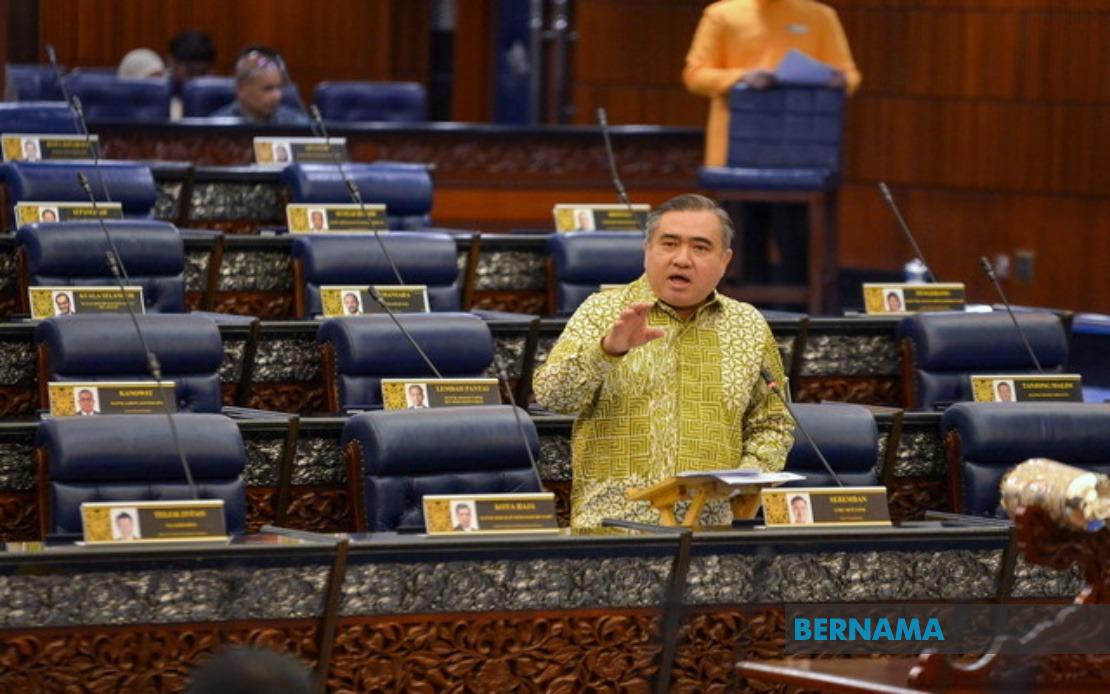
The Federal Government has committed to financing Johor's ambitious Elevated Autonomous Rapid Transit system, marking a significant intervention in what was initially conceived as a public-private partnership. Transport Minister Anthony Loke disclosed the funding commitment during parliamentary proceedings, signalling that infrastructure development in Malaysia's southern economic heartland will require substantial federal support beyond private sector involvement.
The decision reflects a candid assessment that the mega-project cannot sustain itself through commercial revenue alone. While the appointed consortium will initially bear financing responsibility, preliminary viability studies have determined that relying exclusively on private investment would render the project economically unworkable. This conclusion underscores the reality facing many ambitious transport infrastructure initiatives across Southeast Asia, where usage-based revenue struggles to justify capital expenditure in developing markets. The E-ART system, designed to provide automated elevated rail connectivity across Johor's urban corridors, represents precisely the type of transformative infrastructure that typically requires hybrid funding models combining public resources with private operational expertise.
Loke indicated that the specific mechanisms governing federal contribution—whether through direct grants, loans, or other arrangements—remain under active negotiation. The detailed financing structure, including the government's actual financial commitment and repayment schedules across the concession period, has not yet been finalised. This ongoing discussion suggests that Treasury officials and transport planners are carefully calibrating public investment levels to balance infrastructure ambitions with fiscal sustainability. Once stakeholders reach consensus on these critical terms, the agreed framework will be presented to the Cabinet for formal consideration and approval, a procedural step essential before executing the Concession Agreement with the private consortium.
The four-year construction timeline represents an aggressive but achievable schedule, commencing from the Letter of Acceptance issuance. This implementation pace becomes particularly significant given the broader regional transport landscape in Johor. The Johor Bahru-Singapore Rapid Transit System Link is scheduled to commence operations in January 2027, before the E-ART project reaches completion. This sequencing creates both opportunities and complications for transport planners managing passenger flows and system integration across the city's expanding metropolitan area.
Anticipating the traffic management challenges that will emerge as the RTS Link begins operations, the Transport Ministry in collaboration with Johor authorities has developed a comprehensive traffic dispersal strategy. Rather than viewing the intervening period as merely a waiting game, planners are proactively strengthening existing public transport infrastructure to absorb demand surges and distribute passenger loads more efficiently. The BAS.MY service network, operated under the reformed bus service structure, will expand to encompass 28 routes operating 254 buses by the time the RTS Link launches. This expansion deliberately incorporates electric buses, aligning with Malaysia's broader sustainability objectives whilst improving urban air quality in Johor Bahru's congested commercial districts.
The Stage Bus Service Transformation 2.0 programme represents another layer of capacity enhancement, dedicating 157 additional buses specifically to high-demand corridors linking Johor Bahru Sentral with Bukit Chagar. These enhanced services are expected to commence operations in early 2027, deliberately timed to coincide with or precede the RTS Link's operational launch. This coordination demonstrates deliberate planning to create seamless interchange points and complementary service networks rather than allowing transit modes to operate in isolation.
Rail expansion through KTM Komuter infrastructure forms the third pillar of this multi-modal strategy. Loke confirmed that the ministry is pursuing procurement of 12 additional KTM Komuter Southern train sets, though official approvals remain pending. Pending these acquisitions, the recently launched Shuttle Selatan service provides interim connectivity along critical corridors including Kulai-Kempas-Johor Bahru and Kempas-Pasir Gudang routes. The shuttle service, which commenced on June 16, already demonstrates strong operational capability with 14 daily trips, establishing functional pathways whilst full rail expansion awaits governmental clearance.
Fare affordability emerged as a secondary but crucial concern during parliamentary deliberations. When questioned about establishing fare ceilings across public transport projects, Loke acknowledged a fundamental trade-off inherent in transport policy. Maintaining government control over fares—ensuring public accessibility—simultaneously reduces project competitiveness and requires ongoing government subsidy injection. This reality reflects a philosophical position that mass transit represents a public good worthy of sustained fiscal support, even when revenue streams prove insufficient. The government's commitment to keeping fares at the lowest economically defensible levels accepts that public transport sustainability cannot rely purely on farebox recovery, particularly in developing economies where affordability directly influences ridership patterns and social equity outcomes.
The broader significance of these commitments extends beyond Johor's municipal boundaries. As a state directly adjacent to Singapore and serving as a critical commercial and residential hub, Johor's transport infrastructure development carries implications for cross-border movement, regional competitiveness, and investment flows. The E-ART system, once operational, will fundamentally restructure commute patterns and urban development possibilities across Johor Bahru's metropolitan landscape. Private investors and real estate developers are already calibrating decisions based on anticipated transit connectivity, suggesting that infrastructure investment decisions made today will shape property markets and economic geography for decades.
The federal funding commitment also signals confidence in Johor's growth trajectory despite macroeconomic uncertainties affecting Malaysia more broadly. By allocating substantial resources to this transport megaproject, the government implicitly endorses demographic and economic projections supporting Johor's expansion. This fiscal confidence in the state's future must be weighed against competing infrastructure priorities nationwide and the broader fiscal consolidation pressures affecting federal finances. The decision ultimately reflects a strategic judgment that investing in Johor's transport capacity generates sufficient economic returns and social benefits to justify the federal outlay.

