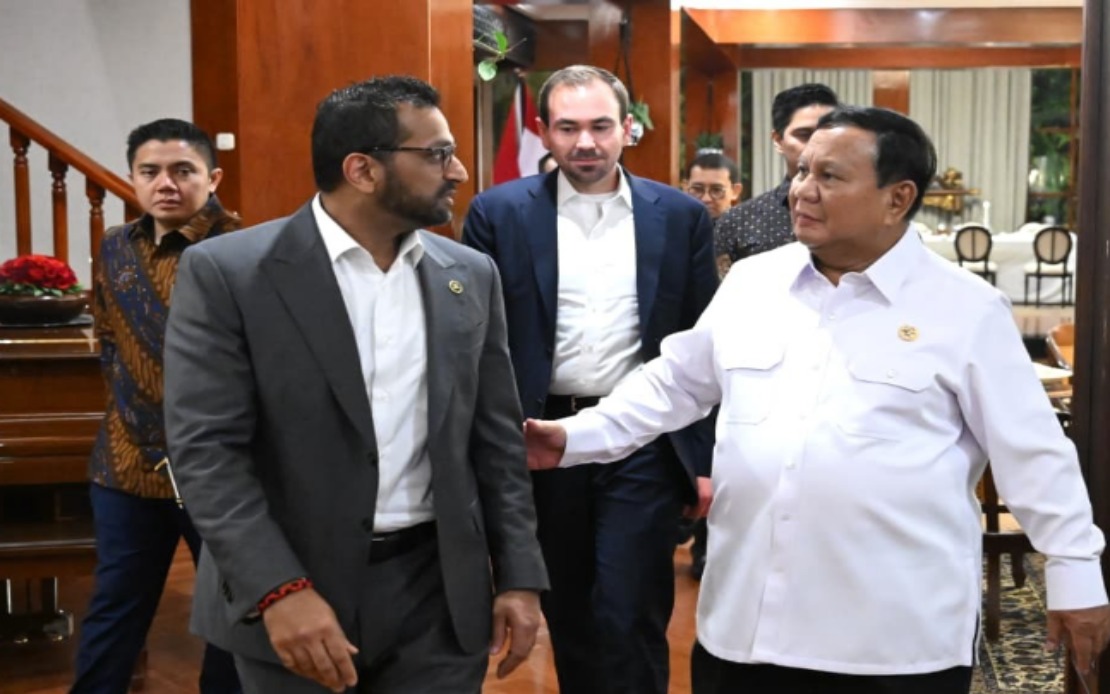
Indonesia has received a shipment of cultural artefacts from the United States Federal Bureau of Investigation, marking another chapter in the country's ongoing struggle to reclaim its stolen heritage. FBI Director Kash Patel personally delivered the recovered items to President Prabowo Subianto during an official visit to the presidential palace at Kertanegara in Jakarta on Wednesday, underscoring the symbolic importance Washington and Jakarta place on this cooperation.
Culture Minister Fadli Zon characterised the handover as a watershed moment for bilateral cultural relations, signalling Indonesia's determination to strengthen institutional ties with American law enforcement on matters of heritage protection. Speaking through the Presidential Secretariat, Fadli emphasised that the repatriation process reflected Indonesia's broader commitment to restoring what he termed cultural sovereignty—a concept that carries particular weight in a region where colonial-era looting and modern trafficking remain sensitive historical wounds.
The returned pieces originate from Papua's diverse communities, particularly the Dani and Asmat peoples, as well as groups inhabiting the Lake Sentani region. These artefacts carry immense anthropological and spiritual significance for their communities of origin. Their recovery through legal channels rather than black-market purchases or voluntary deaccessioning represents a methodological shift in how nations approach the restitution question, one that relies on forensic provenance research to establish historical ownership and establish grounds for repatriation claims.
The investigation underlying this repatriation illustrates how modern law enforcement agencies increasingly treat cultural property theft as a serious crime. Provenance researchers working with the FBI determined that these objects had been illegally smuggled across US borders, a finding that provided the legal foundation for returning them to Jakarta. This investigative rigor contrasts sharply with earlier eras when such artefacts simply disappeared into private collections or museum storerooms with minimal documentation.
Indonesia's enthusiasm for deepening this partnership reflects the scale of the repatriation challenge confronting the nation. Centuries of colonial rule, coupled with ongoing organised trafficking networks, mean that significant portions of Indonesian cultural heritage remain scattered across Western institutions and private hands. The FBI partnership offers Jakarta a reliable institutional channel through which to pursue recovery, complementing diplomatic initiatives and legal claims pursued through other mechanisms.
Previous collaborative successes between Indonesian authorities and the FBI have already demonstrated the potential of such arrangements. The bureau has assisted in recovering bronze statues and various artefacts stolen from archaeological sites and cultural institutions throughout the archipelago. These earlier recoveries established confidence on both sides that systematic cooperation could yield results, laying groundwork for expanded future initiatives.
The decision to exhibit the repatriated artefacts at Indonesia's National Museum serves multiple purposes beyond merely preserving heritage. Public display allows Indonesian citizens to reconnect with their ancestors' material culture while simultaneously reinforcing national narratives around cultural identity and historical continuity. For diaspora communities and indigenous groups whose heritage is being restored, museum presentation validates their historical claims and acknowledges their role in Indonesian national identity.
For Southeast Asia more broadly, Indonesia's repatriation efforts carry broader implications. The region contains some of the world's most significant archaeological sites and artistic traditions, much of whose material legacy now resides outside national borders. Indonesia's success in establishing formal recovery mechanisms with major Western law enforcement agencies could provide a template for neighbouring nations pursuing similar objectives.
The Prabowo administration's apparent priority on heritage repatriation also signals evolving diplomatic interests. Rather than focusing exclusively on trade and security partnerships, this administration emphasises cultural dialogue and historical justice—areas where Indonesia enjoys considerable moral authority given its rich heritage and the documented history of systematic colonial-era looting. Such positioning allows Jakarta to engage Western powers on terms emphasising mutual respect and reciprocal cultural obligations.
Minister Fadli's statement that cooperation would expand with support from the State Secretariat and Foreign Ministry indicates institutional commitment extending beyond ceremonial gestures. This suggests the development of formal protocols, perhaps including dedicated personnel responsible for tracing stolen Indonesian artefacts within US collections and facilitating their return through appropriate legal channels. Institutionalising repatriation work ensures continuity across changes in political leadership and prevents such efforts from becoming dependent on individual champions.
The broader challenge remains enormous in scale. Thousands of Indonesian artefacts likely remain in Western collections, many with incomplete or contested provenance records that complicate repatriation claims. Some items rest in major museums that resist relinquishing collections on grounds of universal heritage principles. Nevertheless, the FBI partnership demonstrates that even within existing international legal frameworks and despite institutional resistance, systematic recovery remains achievable through determined official effort.
Looking forward, Indonesia's repatriation agenda intersects with global conversations around decolonisation, historical injustice, and the proper stewardship of cultural heritage. As international opinion increasingly favours repatriation of looted artefacts to source nations, momentum may build for larger-scale transfers. The FBI cooperation represents one avenue among several through which Indonesia can pursue this agenda, whether through diplomatic channels, legal action, or collaborative investigation.

