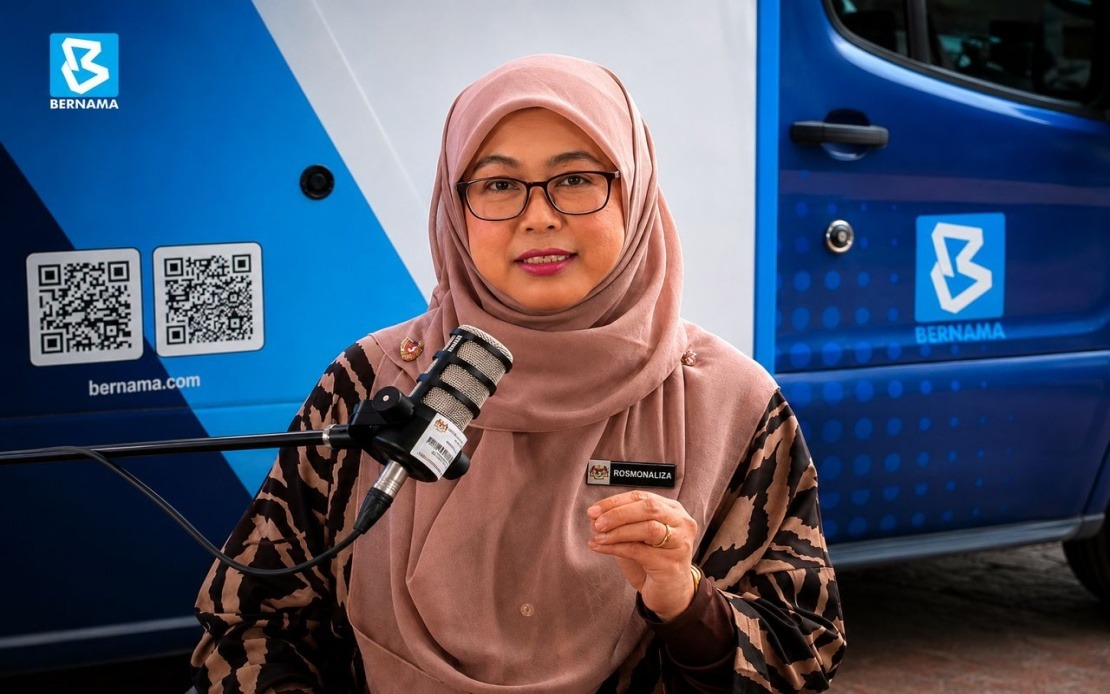
The changing dynamics of modern Malaysian family life demand a fundamental shift in how fathers engage with their children and households. According to Rosmonaliza Abdul Ghani, director of the Family Well-being Division at the National Population and Family Development Board (LPPKN), paternal involvement in emotional support and educational matters has become critical to family stability and child development. Speaking on the KASIH Lensa Keluarga podcast, she emphasised that contemporary fathers cannot rely solely on financial provision to fulfil their family roles, but must become active participants in communication and emotional nurturing.
The traditional archetype of fathers as economic providers is increasingly inadequate for building resilient family units in today's context. Rosmonaliza articulated that modern fathers function as change agents who help establish harmonious household environments and model positive behaviours for their children. This expanded understanding of paternity reflects broader social changes in Malaysia where families are confronting complex challenges ranging from economic stress to mental health concerns. The shift acknowledges that children benefit profoundly when fathers engage meaningfully in their upbringing, providing emotional security and demonstrating engagement with their development.
Maintaining open communication channels within families has emerged as a cornerstone of effective parenting in contemporary Malaysia. Rosmonaliza stressed that fathers who remain actively involved in dialogue with their children and spouses ensure their continued relevance and influence during critical developmental periods. This communication requirement extends beyond casual interaction to include deliberate conversations about emotions, challenges, and aspirations. When fathers withdraw from such exchanges, children may struggle to process difficult experiences or feel unsupported during formative stages.
A notable shift in help-seeking behaviour among Malaysian men suggests growing acceptance of professional support for family challenges. Rosmonaliza reported that increasing numbers of men now willingly participate in counselling sessions and seek therapeutic assistance, either individually or alongside family members. This trend signals a cultural transition where discussing emotional struggles or seeking guidance is becoming normalised rather than perceived as weakness. The willingness to engage with mental health professionals represents an important development for family welfare, as fathers who receive appropriate support can better manage their own pressures and contribute more effectively to household well-being.
LPPKN has positioned itself as a resource centre offering comprehensive support mechanisms tailored to paternal challenges. The organisation provides counselling, therapy, and personality assessments designed to help fathers navigate financial pressures, mental health difficulties, and life transitions. By creating safe spaces where fathers can articulate concerns without judgment, LPPKN aims to prevent the isolation and internalisation of problems that can lead to family dysfunction. This approach recognises that fathers often face significant stressors—employment instability, economic anxiety, and social expectations—that require professional intervention when they become overwhelming.
Community workers and social advocates bring frontline experience to understanding how paternal absence or dysfunction cascades into broader social problems. Analysis from those working with urban poor and street children reveals that family breakdown frequently stems from the absence of engaged father figures within household structures. Drug abuse among household heads and economic hardship emerge as contributing factors that further erode family stability and increase vulnerability to social pathologies. These observations underscore how investment in supporting fathers directly translates into prevention of downstream social issues affecting entire communities.
Approaches to reaching struggling fathers must balance accountability with compassion and cultural sensitivity. Rather than employing punitive measures that may entrench resistance, effective interventions should acknowledge the complex circumstances fathers face while reconnecting them with their responsibilities. Strategies grounded in religious values and family principles offer pathways for fathers to reclaim their identity as responsible household leaders. This requires patience and understanding that many fathers, particularly those dealing with ego-related barriers, respond better to dignity-based engagement that validates their struggles while encouraging positive change.
The interdependence within families means that spousal and children's support proves essential for fathers managing contemporary pressures. When wives and children actively encourage paternal engagement and acknowledge a father's sacrifices, it reinforces motivation to persist through difficulties rather than withdrawing emotionally or resorting to destructive coping mechanisms. Rosmonaliza highlighted that children often fail to recognise the full extent of paternal dedication until adulthood, potentially losing opportunities for deeper connection during formative years. This knowledge gap suggests the importance of intentional family communication that helps children appreciate present parental investment rather than retrospectively regretting missed moments.
Quality time and presence within family relationships carry greater significance than material provision in shaping children's emotional security and development outcomes. While financial stability remains important, the irreplaceable value of a father's physical and emotional presence creates bonds that material goods cannot replicate. Children who experience consistent paternal engagement develop stronger self-esteem, better emotional regulation, and healthier relationship templates for their own futures. This principle challenges the false equivalence between earning capacity and parental adequacy, reframing financial contribution as necessary but insufficient without accompanying emotional investment.
The implications for Malaysian society extend beyond individual families to encompass broader social cohesion and community welfare. When fathers become disconnected from their emotional and educational roles, ripple effects extend throughout neighbourhoods and generations. Conversely, when fathers embrace expanded roles as emotional supporters and engaged participants in children's learning journeys, they contribute to more stable communities with reduced vulnerability to crime, substance abuse, and intergenerational poverty. LPPKN's emphasis on normalising paternal help-seeking and emotional engagement represents an investment in preventive social welfare that addresses root causes rather than managing symptoms of dysfunction.

