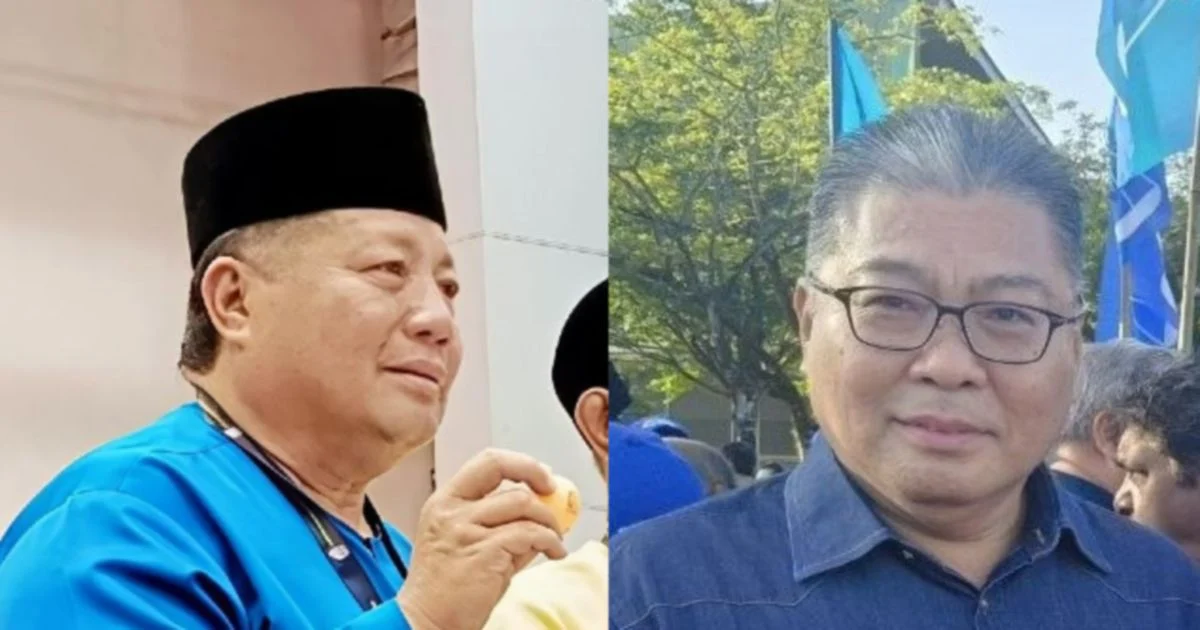
The Johor state election has thrown into sharp relief the personal complexities underlying Malaysia's fractious political landscape, with former Tebrau Umno division chief Datuk Maulizan Bujang publicly extending goodwill toward his younger brother, Mazlan, despite the brothers representing competing political coalitions in the keenly contested Kahang seat. Maulizan's gesture of support for Mazlan's Perikatan Nasional candidacy underscores how electoral battles, no matter how intensely fought, sometimes take secondary importance to familial bonds in Malaysian society.
The Kahang constituency represents one of Johor's most politically significant battlegrounds, reflecting broader struggles for influence across the state ahead of polls that could reshape the regional balance of power. The decision by the two brothers to pursue candidacies under opposing camps—Umno-aligned forces versus Perikatan Nasional—encapsulates the profound realignment occurring within Johor's political fabric. This schism mirrors nationwide fractures that have seen erstwhile allies fracture into hostile camps, creating situations where family members find themselves on opposing electoral sides.
For Maulizan, his endorsement of Mazlan's candidacy, delivered despite their differing political allegiances, constitutes a subtle but significant statement. In a state where Umno has traditionally exercised commanding political dominance, such public acknowledgment from an establishment figure toward a Perikatan Nasional challenger signals the shifting dynamics at play. The gesture implicitly recognises that electoral competition need not preclude personal respect, a nuance often lost in contemporary Malaysian political discourse, which frequently reduces complex rivalries to zero-sum contests bereft of human dimension.
Johor has historically served as Umno's fortress, with the coalition maintaining deep organisational roots and considerable influence across state governance structures. However, the emergence of Perikatan Nasional as a credible alternative has disrupted traditional voting patterns, particularly among constituencies seeking alternatives to entrenched establishment politics. Kahang's status as a contested seat reflects this broader realignment, where new political forces have begun challenging previously secure Umno strongholds across the state.
The electoral competition in Kahang carries implications extending beyond the immediate contest itself. Voter behaviour in this constituency may offer indicators regarding broader Johor sentiment concerning political change and coalition preferences. The seat has historically proven sensitive to wider regional political movements, with results often mirroring statewide trends. Success for Perikatan Nasional in traditionally Umno-dominated constituencies could signal significant shifts in voter confidence and coalition support across Johor.
Maulizan's background as a former Tebrau division chief positions him as a respected figure within Umno's organisational hierarchy, lending particular weight to his public comments regarding the Kahang race. His willingness to voice support for Mazlan, despite representing competing political interests, demonstrates an apparent capacity to separate personal relationships from political rivalry—a quality increasingly rare in Malaysia's intensifying electoral environment. Such comportment contrasts sharply with the aggressive rhetoric frequently deployed during campaign periods.
The fraternal dynamic playing out in Kahang also raises questions about voter perception regarding political legitimacy and candidate backgrounds. Mazlan's candidacy under Perikatan Nasional, coupled with his familial connection to an established Umno figure, may resonate differently across various voter demographics. Some may interpret such family connections as indicating institutional experience and networks capable of delivering constituency services, while others might view them with suspicion regarding genuine commitment to alternative political platforms.
For Perikatan Nasional, the Kahang candidacy forms part of broader efforts to establish credible presence across Johor's electoral landscape. Building competitive candidacies in constituencies traditionally dominated by Umno requires not merely offering alternative governance platforms but projecting sufficient political legitimacy to convince voters that change represents viable option. Mazlan's candidacy, bolstered by Maulizan's public support, contributes to this broader strategy of establishing normalcy around Perikatan Nasional challenges to Umno-dominated seats.
The Johor electoral contest reflects Malaysia's transitional political moment, wherein traditional alignments have fractured without new equilibrium yet stabilising. In such environment, expressions of family solidarity transcending political division carry particular significance. Maulizan's public well-wishing toward Mazlan's campaign implicitly acknowledges that political competition, however vigorous, remains subordinate to enduring family relationships. Such acknowledgment provides counterpoise to increasingly personalised electoral discourse that frequently reduces political opponents to adversaries worthy only of condemnation.
Ultimately, the Kahang race will be decided through electoral mechanism, with voters determining which coalition and candidate best represents constituency interests. Regardless of outcome, the public solidarity demonstrated between the brothers suggests resilience of personal bonds within Malaysian society's increasingly polarised political environment. Such resilience may prove essential as the nation navigates ongoing political restructuring and coalition realignments that continue reshaping electoral dynamics across all regions, including Johor.

