A Malaysian family is clinging to hope as rescue efforts continue for Mohd Fakhrul Munir Mohd Isa, 44, a specialist with the Malaysian Fire and Rescue Department (JBPM) who disappeared during catastrophic flooding and landslides in Rasuwa, Nepal. The family's determination to remain optimistic reflects both their faith and a pragmatic acceptance of the uncertainties surrounding the disaster that has affected the region.
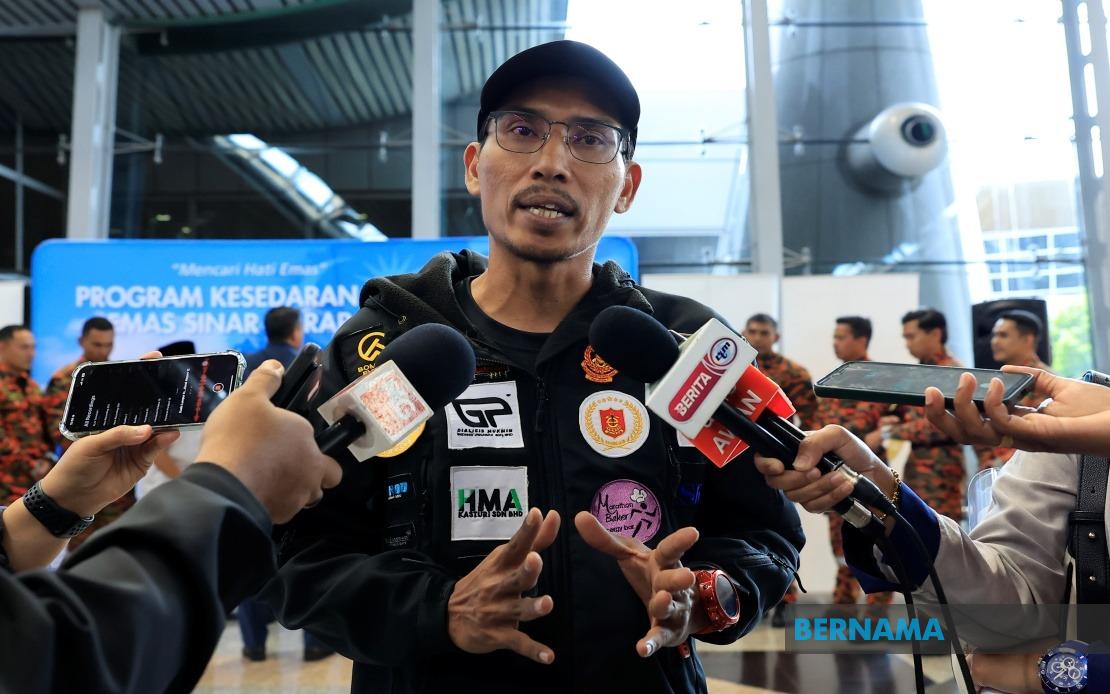
Mohd Saiful Munir Mohd Isa, the missing firefighter's 46-year-old brother, explained to journalists that the family interprets the communication blackout not as a sign of tragedy, but as an inevitable consequence of the environmental devastation that has crippled the area. He emphasised that the family continues to hold daily prayers for Mohd Fakhrul Munir and his companions, seeking their safe discovery. At the same time, Mohd Saiful Munir acknowledged the family's mature perspective on the situation, noting that they are mentally prepared to accept any outcome, however difficult.
The missing firefighter carried the nickname "Loe" among friends and colleagues, a moniker earned through his renown as a skilled climber whose passion for mountaineering has shaped much of his adult life. Mohd Saiful Munir painted a picture of a man deeply committed to alpine pursuits, noting that his brother's frequent expeditions to Nepal were consistent with his lifestyle rather than unusual or unexpected behaviour. This context helps explain why the family did not experience alarm when Mohd Fakhrul Munir announced his Nepal journey, treating it as another chapter in his established climbing career.
The frequency of Mohd Fakhrul Munir's travels to Nepal underscores both the appeal of the region to serious mountaineers and the particular draw it holds for Malaysian climbers. According to his brother, the firefighter visited Nepal between three and five times annually, treating the country almost as a second home. Beyond mountaineering, Mohd Fakhrul Munir maintained other athletic interests, including cycling, suggesting a lifestyle oriented toward physical challenge and outdoor adventure. His brother, who serves as an operations officer at the Port Klang Fire and Rescue Station, understands intimately the mindset of someone drawn to such pursuits.
Mohd Saiful Munir's last conversation with his brother occurred approximately one week before the expedition began, marking their final direct contact before communications ceased. Based on the intended route that the climbing group had planned, Mohd Saiful Munir assessed that they were likely positioned in a valley area when the disaster struck. This geographical assessment shapes how the family understands Mohd Fakhrul Munir's situation: not as missing persons who have wandered or become lost, but as individuals trapped by nature's force and consequently unable to establish contact with the outside world.
The incident has brought sudden international attention to Malaysian involvement in high-altitude mountaineering. A total of ten Malaysians were part of the broader expedition group making their way toward Everest Base Camp when the Rasuwa floods occurred. Two JBPM officers have remained uncontactable since the disaster, leaving significant uncertainty about their fates. Beyond Mohd Fakhrul Munir, the other uncontactable officer has been identified as Mohd Sani Harul, the deputy director of the Planning and Research Division within JBPM, according to statements by JBPM director-general Datuk Seri Nor Hisham Mohammad.
The involvement of two senior JBPM personnel in the expedition reflects how mountaineering attracts professionals across various sectors and ranks within Malaysian institutions. These were not casual tourists but experienced individuals whose professional roles involve risk assessment and emergency response. Yet despite their expertise and credentials, they remain subject to the same natural forces that have disrupted the region, a sobering reminder of mountaineering's inherent dangers even for the well-prepared and well-trained.
Mohd Saiful Munir has adopted a cautious stance regarding information sources, declaring his intention to rely solely on official communications from relevant authorities rather than speculation or unverified reports. This disciplined approach may reflect both his role in emergency services and a recognition that accurate information remains scarce in the aftermath of a natural disaster that has disrupted basic infrastructure and communication systems across the affected region. The uncertainty that pervades such situations creates space for misinformation, making the family's commitment to verified facts a practical necessity.
The Rasuwa district in Nepal, situated along major trekking routes toward Everest, has experienced devastating natural disasters in recent years. The area's geography, marked by steep terrain and seasonal water flows, creates conditions where flash flooding and associated landslides pose serious risks to trekkers and climbers. For Malaysian mountaineers, Nepal remains an essential destination for high-altitude acclimatisation and climbing experience, positioning the country as a crucial part of the regional climbing circuit that includes Malaysia.
This incident raises questions about risk management and safety protocols for Malaysian expeditions abroad, particularly for high-risk activities in remote, geographically challenging locations. As more Malaysians engage in international mountaineering, understanding how organisations coordinate with and support citizens facing emergencies across borders becomes increasingly important. The JBPM's direct involvement, with two officers among the missing, may prompt institutional reflection on duty, preparedness, and support for personnel engaged in activities outside their primary professional roles.
For the families affected, the period of uncertainty represents a peculiar form of limbo where hope and realism must coexist. The family of Mohd Fakhrul Munir has chosen to channel their concern into prayer and positive outlook while simultaneously acknowledging potential tragedy. This emotional equilibrium allows them to remain engaged with their situation without being paralysed by catastrophising. Internationally, such incidents often galvanise rescue efforts that transcend national boundaries, drawing on Nepal's mountaineering infrastructure and international climbing community expertise to locate missing persons.
As search operations continue, the experience underscores both the allure and the inherent risks of mountaineering in challenging environments. For Malaysian adventurers and their families, Nepal will likely remain a destination of choice despite such tragedies, much as mountain regions worldwide continue to draw climbers despite documented dangers. The resilience and determination displayed by Mohd Fakhrul Munir's family mirror the character that drives individuals like him toward high altitudes and remote peaks, a shared commitment to perseverance in the face of uncertainty.

