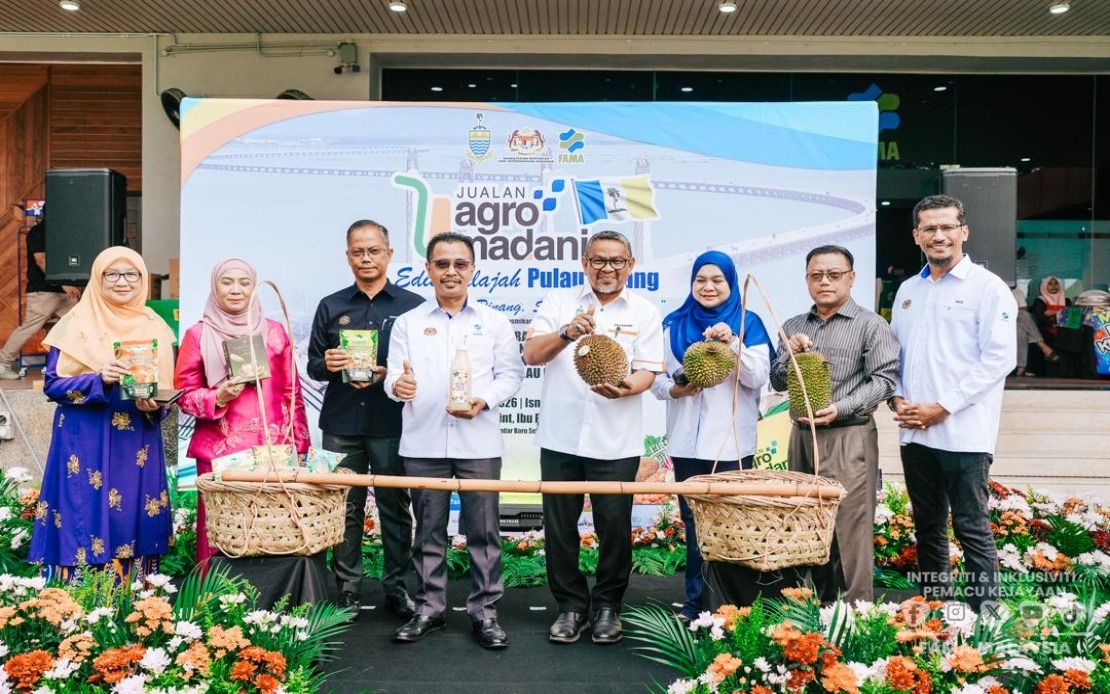
The Federal Agricultural Marketing Authority (FAMA) has reported substantial progress in its Agro MADANI Sales (JAM) initiative, with the programme generating RM46.72 million in turnover during the first five months of 2024. Operating across 1,833 separate events held throughout the country between January and May, the JAM programme demonstrates the growing viability of direct-to-consumer agricultural marketing models in Malaysia's evolving food security landscape.
FAMA's performance with the JAM programme reflects a deliberate strategic pivot towards modernising how Malaysian agricultural products reach end consumers. The authority characterises the initiative as a comprehensive response to longstanding inefficiencies in the nation's agri-food supply chain, where traditional distribution networks often inflate prices and reduce farmer profitability. By establishing direct market connections between producers and buyers, the programme simultaneously addresses farmer concerns about fair pricing while delivering cost savings to consumers seeking quality produce at reasonable rates.
The Penang edition of the JAM programme, which took place at FAMA's Selayang headquarters, represents the third iteration of these state-focused marketing events. This particular activation featured participation from 30 entrepreneurs based in Penang, who collectively offered 45 sales lots showcasing the state's distinctive agricultural specialties. Organisers projected the Penang event would attract approximately 2,000 visitors and generate sales of RM100,000, indicating the considerable draw these programmes exercise on local communities seeking fresh, locally-sourced alternatives to conventional retail channels.
Penang's agricultural identity features prominently in the state's contribution to Malaysia's broader food production ecosystem. The marketplace prominently displayed premium Balik Pulau durians in multiple varieties including Black Thorn, Red Prawn, and Hor Lor, alongside Cempedak King fruits that command premium pricing in urban centres. This emphasis on high-value specialty crops reflects a deliberate strategy to help Penang farmers capture substantially better margins than wholesale distribution systems typically provide, while simultaneously building consumer awareness of the state's distinguished agricultural heritage.
Beyond fresh produce transactions, the Penang JAM event functioned as a cultural and culinary showcase, featuring iconic state delicacies that strengthened community engagement and visitor dwell time. Vendors offered nasi kandar, Penang laksa, char kuey teow, mee sotong, and air sarbat—gastronomic markers of Penang's identity that create emotional connections between consumers and the broader agri-food ecosystem. This integrated approach, combining agricultural transactions with cultural activation, has proven instrumental in attracting sustained visitor interest and repeat participation across different regional editions.
The programme has garnered institutional support extending beyond FAMA's direct operational capacity. The Penang State Economic Planning Division, represented by secretary Kamarul Azlan Mustaffa, collaborated extensively with the authority to integrate the JAM concept into broader state economic development initiatives. More significantly, the Penang Bumiputera Development Council and the Penang Rural Development, Agrotechnology, Food Security and Cooperatives Committee, led by Exco Datuk Rashidi Zinol, positioned JAM as a cornerstone component of entrepreneurship development policy for Bumiputera-categorised agricultural enterprises.
This multi-institutional approach underscores an important evolution in how Malaysian policymakers conceptualise agricultural marketing infrastructure. Rather than treating farm-to-consumer connections as purely commercial transactions, state and federal authorities increasingly recognise these networks as mechanisms for advancing social equity objectives, particularly regarding Bumiputera entrepreneurial participation in higher-margin agricultural segments. The JAM programme essentially functions as a capacity-building instrument, exposing traditionally marginalised producers to urban consumer bases while simultaneously teaching participants essential skills around product presentation, pricing psychology, and direct customer engagement.
For Malaysian farmers and agri-entrepreneurs, the implications of the JAM programme's performance extend considerably beyond the RM46.72 million figure itself. Direct market access eliminates intermediary margins that conventionally absorb 30 to 50 percent of retail prices, thereby enabling participating farmers to capture substantially larger portions of final consumer expenditure. Simultaneously, repeated exposure through 1,833 separate events creates brand recognition and customer loyalty that transcends individual transactions, building sustainable commercial relationships rather than one-time sales.
The programme's relevance to Malaysia's broader food security and agricultural policy objectives also merits attention. As the nation grapples with import dependency across numerous agricultural categories and seeks to enhance domestic production incentives, direct-to-consumer channels like JAM provide crucial market assurance that justifies increased investment in local farming operations. By demonstrating consistent, substantial consumer demand for locally-produced alternatives, these programmes strengthen the economic case for agricultural intensification and modernisation within Malaysia.
Regional implications emerge as well, particularly for Southeast Asian nations pursuing similar agricultural modernisation trajectories. Malaysia's JAM model—combining state institutional support with private entrepreneurial participation and cultural integration—offers a replicable template that other countries might adapt according to local conditions. The programme demonstrates how relatively modest technological and logistical innovations, integrated with effective promotional strategies, can substantially enhance agricultural sector productivity and farmer income without requiring transformative capital investments.
Looking forward, the sustained performance of the JAM programme suggests that consumer preferences increasingly favour direct, transparent agricultural sourcing arrangements that simultaneously deliver value and support local economies. As Malaysian policymakers consider scaling these initiatives across additional states and expanding participation among farmer cooperatives and agribusiness enterprises, the accumulated evidence from the programme's first five months provides compelling justification for such expansion. The challenge ahead involves maintaining operational quality and consumer satisfaction across an exponentially larger network while preserving the personal, relationship-based dimensions that currently distinguish JAM from conventional retail channels.

