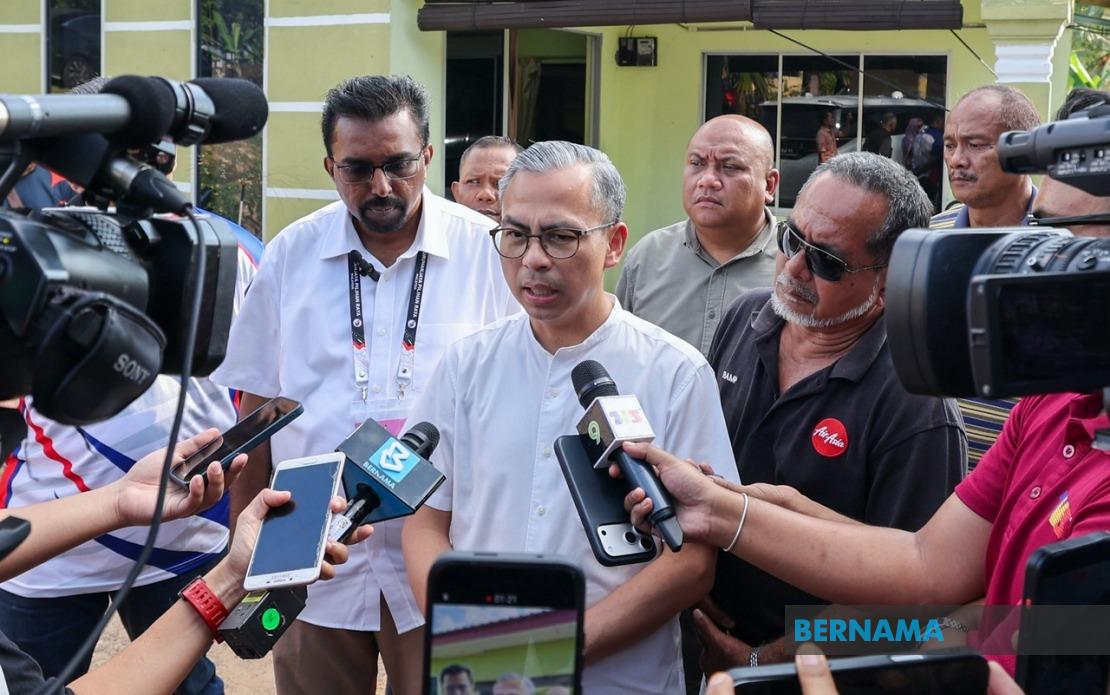
Communications Minister Datuk Seri Fahmi Fadzil has intensified calls for the government to publicly release the final Royal Commission of Inquiry report into Tabung Haji, citing the need for transparency and public accountability surrounding the Islamic pilgrimage fund's troubled history. Speaking after attending the Ziarah Kasih MADANI programme at Felda Palong 1 in Jempol on July 23, Fahmi emphasised that depositors, contributors, and ordinary Malaysians deserve full access to the inquiry's findings, which examined serious allegations regarding the agency's disposal of strategic assets.
The push for transparency reflects growing pressure within government circles to bring closure to a saga that has deeply affected millions of Malaysians who entrust their savings to the fund. Fahmi's intervention came shortly after Prime Minister Datuk Seri Anwar Ibrahim signalled the government's readiness to make the report public within days, pledging to consult Chief Secretary to the Government Tan Sri Shamsul Azri Abu Bakar on publication timelines. Anwar indicated the disclosure would likely occur no later than the following Wednesday, suggesting an imminent shift toward openness on a matter that has generated sustained public concern and scrutiny.
The Tabung Haji saga has represented one of Malaysia's more contentious corporate governance failures, with the fund facing serious questions over how it managed depositor money and made critical financial decisions. The Royal Commission of Inquiry was established to investigate the circumstances surrounding these transactions, producing findings that have remained under wraps pending government deliberation. Fahmi's advocacy for swift disclosure underscores a recognition within the Anwar administration that prolonged secrecy undermines public trust and contradicts stated commitments to institutional reform and accountability.
Fahmi grounded his argument in principles that have become central to the MADANI governance framework: transparency and fairness. By framing the report's release as essential to upholding these values, the minister signalled that public disclosure aligns with the government's broader agenda of restoring confidence in Malaysian institutions following years of governance challenges. His remarks suggest the administration believes the risk of withholding the report outweighs any institutional sensitivities or sensational headlines the findings might trigger.
A critical dimension to this matter involves reassuring the Tabung Haji's depositor base, which comprises millions of ordinary Malaysians who have accumulated savings specifically for pilgrimage purposes. These individuals have legitimate interests in understanding what went wrong, how their funds were managed, and what safeguards now protect their money. The lack of transparency regarding past events has created a vacuum of understanding that breeds speculation, rumour, and diminished confidence in the fund's current stewardship. Public disclosure of the inquiry's report would allow depositors to form their own judgements based on documented evidence rather than incomplete information.
Fahmi also noted that under its present leadership and operational framework, Tabung Haji has stabilised considerably relative to its previous condition. This observation carries significance because it positions the report's release as an opportunity to demonstrate reform and institutional recovery rather than simply exposing past failures. By revealing what occurred while simultaneously showcasing improved management, the government can construct a narrative of accountability paired with remediation, potentially rehabilitating public perception of an institution whose reputation has suffered considerable damage.
The timing of these statements is noteworthy given Malaysia's ongoing efforts to strengthen governance standards and respond to public demands for greater institutional accountability. The Anwar administration has made anti-corruption and transparency core pillars of its political messaging, particularly following the tumultuous years of the previous government. Releasing the Tabung Haji RCI report serves as a concrete test of whether these commitments translate into action when disclosure involves potentially embarrassing findings or difficult institutional realities.
From a regional perspective, Malaysia's handling of this matter carries implications for Southeast Asian governance more broadly. As other nations in the region grapple with similar corporate transparency issues and public trust deficits, how Malaysia manages high-profile investigations of government-linked entities sends signals about the region's commitment to institutional integrity. A government that follows through on transparency pledges by releasing comprehensive inquiry reports demonstrates seriousness about accountability that extends beyond rhetorical flourishes.
The push for public disclosure also reflects evolving expectations among Malaysian civil society and citizens regarding information access and institutional openness. Social media connectivity and transnational advocacy networks have created constituencies demanding accountability that did not exist with comparable force in previous decades. Governments that resist transparency demands face sustained pressure and reputational costs, particularly when withholding information involves agencies handling public funds and serving vulnerable populations such as pilgrims saving for religious obligations.
However, the precise contents of the RCI report may yet influence the actual timeline and scope of disclosure. If findings implicate current or former senior government figures in substantive misconduct, political sensitivities might complicate straightforward publication. The fact that Anwar consulted with the Chief Secretary suggests due diligence regarding proper procedures and potential implications, rather than automatic release. This cautious approach, while understandable, stands in tension with Fahmi's advocacy for speed and completeness.
The broader institutional question involves whether government agencies and commissions should routinely publish inquiry reports, or whether selective disclosure remains justified on grounds of national interest, ongoing investigations, or privacy protections. Malaysia's legislative framework does not explicitly mandate RCI report publication, meaning government discretion determines access. Establishing clearer standards for transparency regarding major inquiries would represent meaningful governance reform extending beyond this single case.
Looking ahead, the actual release of the Tabung Haji RCI report will test whether the administration's transparency rhetoric translates to practice. Depositors and the Malaysian public have waited for clarity on what transpired and how their institution failed them. The report's publication should provide that clarity, even if uncomfortable truths emerge. Ultimately, restoring confidence in Tabung Haji depends upon citizens understanding the past comprehensively rather than reconstructing it through fragmented information and speculation.

