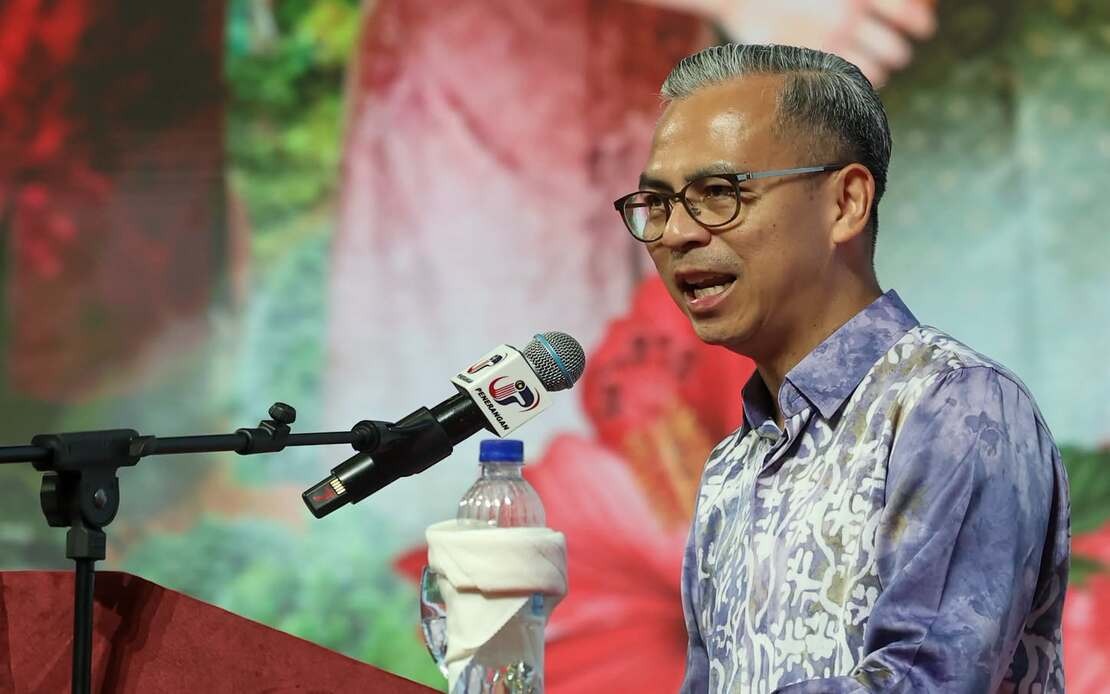
Communications Minister Datuk Seri Fahmi Fadzil has expressed strong approval of the song 'Aku Berjanji', which has been selected as the official anthem for the 2026 National Day and Malaysia Day (HKHM) celebrations. The minister publicly acknowledged the creative effort of renowned singer and composer Faizal Tahir in crafting a composition that resonates with the nation's values during a critical moment for national commemoration.
The song received its inaugural public performance on July 19 in Ipoh, marking the official launch of the 2026 National Month festivities alongside the Fly the Jalur Gemilang Campaign. This debut occasion represented a symbolic beginning for what promises to be a year-long celebration of Malaysian identity and heritage. Prime Minister Datuk Seri Anwar Ibrahim himself presided over the campaign launch, underscoring the government's commitment to making the forthcoming national celebrations substantial and meaningful for all Malaysians.
Fahmi's commendation focused specifically on the thematic substance of Faizal Tahir's composition, emphasizing that the song encapsulates profound messages touching on national unity, collective togetherness, and patriotic love for Malaysia. In his public statement shared on social media, the minister drew attention to how the musical work transcends entertainment value to become a cultural statement reflecting core national aspirations. This positioning of a commercial music production as a vehicle for political and social messaging demonstrates how contemporary artists contribute to nation-building discourse in Malaysia.
The selection of 'Aku Berjanji' as the official theme reflects deliberate governmental strategy in leveraging popular culture and celebrity endorsement to deepen public engagement with national celebrations. By choosing an established and respected musical figure like Faizal Tahir, authorities aim to broaden appeal across generational and demographic lines. The song's prominence throughout the year-long celebrations will expose it to diverse audiences, potentially embedding its patriotic messaging into public consciousness more effectively than traditional government campaigns might achieve.
Beyond celebrating the new anthem, Fahmi directed attention toward proper conduct of the broader flag campaign. He encouraged all Malaysians to display the Jalur Gemilang with genuine pride, emphasizing that physical presentation matters—flags should be maintained in excellent condition and installed according to proper protocol. This attention to detail reflects broader concerns about how national symbols are treated and respected within public and private spaces across the country.
Particularly noteworthy was Fahmi's cautionary guidance regarding the use of artificial intelligence in generating images of the national flag. As digital technology increasingly enables rapid content creation, the minister highlighted a specific vulnerability: AI-generated depictions of the Jalur Gemilang could contain inaccuracies that inadvertently undermine the dignity and integrity of this fundamental national emblem. His warning underscores awareness within government that modern technology presents novel challenges to protecting cherished symbols, requiring proactive public education to prevent unintentional disrespect.
The minister's multi-layered messaging reflects sophisticated understanding that successful national celebrations require coordination across cultural, symbolic, and practical dimensions. Rather than treating the 2026 commemoration as merely ceremonial, the government appears intent on fostering authentic emotional investment in national identity. The choice of music as a central element acknowledges that cultural production often reaches and influences people more profoundly than formal political rhetoric.
For Malaysia's creative industries, the designation of 'Aku Berjanji' as the official theme represents significant validation and opportunity. Faizal Tahir's selection positions him as a cultural ambassador during a year of heightened national focus. The exposure and prestige associated with this assignment can elevate his profile both domestically and within Southeast Asian markets, demonstrating how government patronage of the arts can create mutual benefits for artists and national objectives.
The launch event in Ipoh also carries regional significance. Perak's selection as the venue for introducing the campaign signals inclusive celebration extending beyond Kuala Lumpur's political center. This geographic dispersal of launches and activities throughout the year will likely characterize the 2026 celebrations, ensuring that Malaysians across all states feel included in national commemorations rather than viewing them as distant capital city events.
Looking ahead, the integration of 'Aku Berjanji' throughout 2026 celebrations will test how effectively popular music can sustain patriotic messaging across an extended period. Unlike single ceremonial moments, year-long campaigns require songs that maintain appeal through repetition while deepening emotional resonance with audiences. Faizal Tahir's composition faces this dual challenge of being both immediately memorable and substantively meaningful when examined closely.
The government's emphasis on proper flag display and responsible use of technology alongside cultural celebration demonstrates holistic thinking about national identity. In an era where symbols face constant reinterpretation and technology enables rapid dissemination of images, explicit guidance protecting national emblems becomes crucial for maintaining collective respect and dignity. Fahmi's multifaceted approach—promoting positive culture while defending against potential degradation—reflects understanding that modern national celebrations operate simultaneously across traditional and digital domains.

