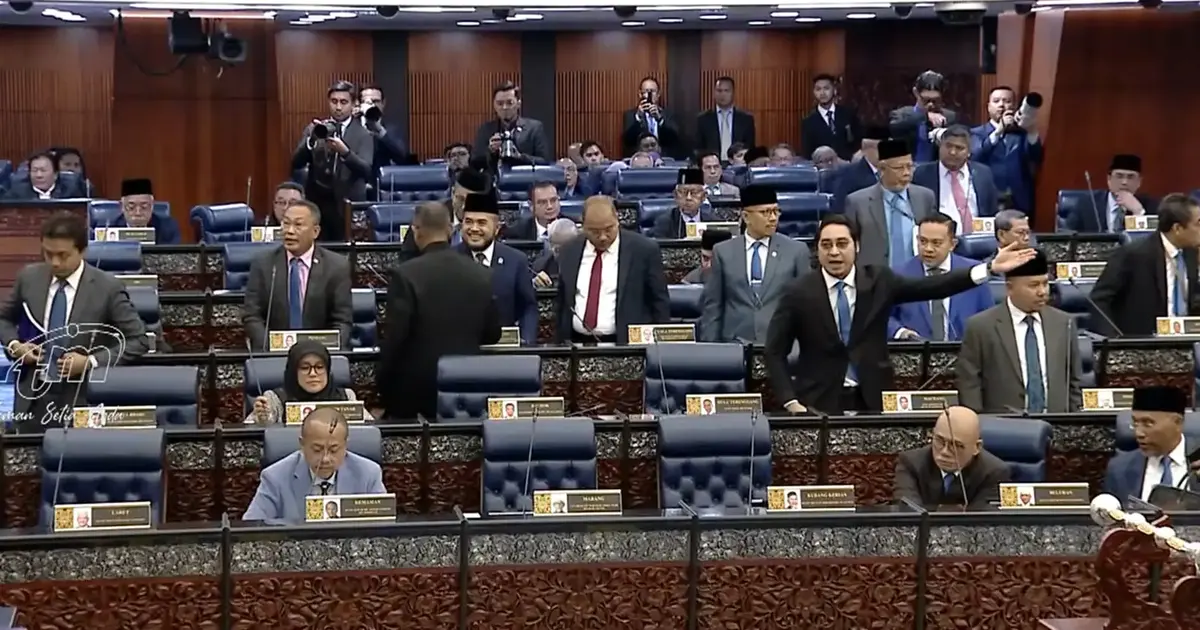
Communications Minister Fahmi Fadzil has publicly acknowledged the participation of Bersatu Members of Parliament in the recent sitting of the Tabung Haji Royal Commission of Inquiry proceedings, drawing a deliberate contrast with lawmakers from other Perikatan Nasional coalition partners who chose to absent themselves through a coordinated walkout. The minister's commendation underscores deepening fractures within the opposition alliance and signals the diverging political strategies emerging among its constituent parties.
The Tabung Haji RCI represents a significant governance inquiry into the Pilgrimage Fund's operations and management, matters of considerable public interest given the institution's role in facilitating the Islamic pilgrimage for Malaysian Muslims. The royal commission's proceedings have become a focal point for parliamentary scrutiny, with MPs' attendance or boycott serving as visible indicators of their positions on accountability and institutional reform. Bersatu's decision to participate in the hearings reflects a calculated approach to the investigation, prioritising engagement with the inquiry process over solidarity tactics with other opposition members.
The walkout orchestrated by certain Perikatan Nasional MPs carries multiple interpretative layers. Such boycotts are conventionally deployed as protest mechanisms against perceived procedural irregularities, investigative bias, or political disagreements about the inquiry's scope and conduct. By absenting themselves, these lawmakers communicated displeasure while simultaneously denying themselves the platform to voice their party's position and cross-examine evidence presented during the proceedings. This tactical decision suggests divisions in how PN component parties view the RCI's legitimacy and strategic value.
For Bersatu, maintaining active participation in the RCI proceedings reflects its broader positioning within Malaysian politics. The party has demonstrated a willingness to engage with institutional processes rather than employ wholesale rejection strategies, a distinction that may resonate differently with voters assessing which opposition figures take accountability matters seriously. Bersatu's attendance enables the party to place its perspectives directly into the record, question witnesses, and contribute substantively to the inquiry's findings, advantages forfeited through walkout tactics.
Fahmi's public recognition of Bersatu's participation carries symbolic importance beyond the immediate parliamentary context. As a senior government figure responsible for communications and messaging, his comments serve to amplify the distinction between Bersatu's cooperative stance and other PN components' confrontational approach. This dynamic potentially benefits both Fahmi's coalition partners and Bersatu itself, as Bersatu gains credit for parliamentary responsibility while the government reinforces narratives about opposition dysfunction and internal contradiction.
The Tabung Haji issue itself touches genuine Malaysian concerns about the stewardship of religious and financial institutions serving millions of pilgrims. The fund's performance, particularly regarding investment returns and the security of pilgrim deposits, has generated substantial public discussion. An RCI examining these matters represents proper institutional accountability, and MPs' participation in such proceedings aligns with fundamental parliamentary responsibilities. Bersatu's engagement acknowledges this imperative, whereas boycotts implicitly suggest that political positioning outweighs accountability concerns.
Within Perikatan Nasional itself, this incident illuminates the fundamental tensions that have always complicated the coalition's coherence. The alliance comprises parties with distinct ideological moorings, regional strongholds, and strategic visions for Malaysian politics. Coordinated action requires significant consensus, yet on matters involving institutional scrutiny and parliamentary procedure, consensus proves elusive. Bersatu's differentiation from other PN members may reflect its distinct organisational interests and its particular electoral calculations in constituencies where institutional reform resonates with voters.
The broader implications for Malaysia's opposition politics warrant consideration. A fractious opposition fails to offer coherent alternative governance narratives or compelling accountability frameworks. When opposition members publicly diverge on basic matters of parliamentary participation, particularly concerning institutional inquiries, public confidence in the opposition's readiness for governance responsibility diminishes. Conversely, displays of individual party discipline and willingness to engage seriously with formal processes enhance those parties' political credentials, even as they complicate coalition functionality.
Looking forward, the Tabung Haji RCI's findings will likely influence public assessment of these parliamentary dynamics. Should the inquiry uncover significant governance failures, those who participated in hearings will have positioned themselves as engaged with the accountability process, while boycotters may face questions about their commitment to institutional oversight. Conversely, should the RCI be perceived as partisan or flawed, boycott participants might argue they were right to reject its legitimacy. These calculations underscore how institutional processes in Malaysia inevitably entangle with coalition politics and parliamentary strategy.
Fahmi's comments reflect a sophisticated understanding that in contemporary Malaysian politics, opposition unity matters less than each party's ability to demonstrate competence, seriousness, and commitment to governance principles. By publicly recognising Bersatu's participation, the minister simultaneously legitimises parliamentary institutions, highlights opposition divisions, and creates political space for potential realignments that could reshape Malaysia's future political landscape. The Tabung Haji RCI thus becomes more than a financial inquiry; it becomes a barometer for which political forces take accountability and institutional reform seriously.

