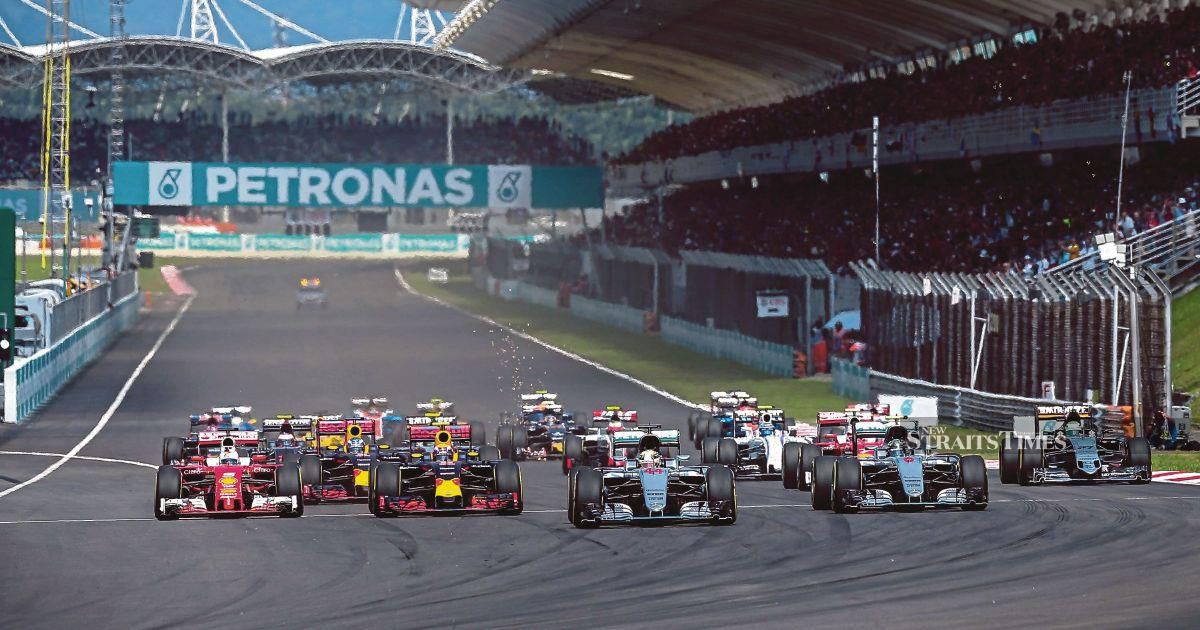
Prime Minister Datuk Seri Anwar Ibrahim has unveiled a ticket initiative designed to democratise access to one of motorsport's most glamorous events, bringing Formula 1 racing back to Malaysian soil at the Sepang International Circuit in October. The move reflects the government's commitment to ensuring that the pinnacle of motor racing is no longer confined to the wealthy, but accessible to ordinary Malaysians across all income brackets. By introducing Madani tickets priced from just RM200, the administration hopes to expand the fan base and generate widespread enthusiasm for an event that has historically drawn international attention to the country.
The Sepang International Circuit, nestled in the Klang Valley approximately 50 kilometres south of Kuala Lumpur, has long served as Malaysia's premier venue for hosting world-class motorsports events. Its state-of-the-art facilities and challenging 5.543-kilometre circuit layout have earned respect from drivers and teams across the Formula 1 grid, making it a consistent fixture on the international calendar for many years. The circuit's return to the F1 schedule after recent years of uncertainty underscores both the strategic importance of the Malaysian market and the venue's continued capability to meet the exacting standards demanded by the sport's governing body and competing teams.
The affordability angle represents a significant departure from typical F1 ticketing models, where premium seating and hospitality packages often exceed thousands of ringgit. By capping the entry-level Madani ticket price at RM200, the government aims to remove financial barriers that have traditionally kept many Malaysians from experiencing the sport live. This approach aligns with the broader Madani framework, which emphasises inclusivity, equitable access to opportunities, and bringing development benefits to citizens across socioeconomic strata. The psychological impact of offering genuinely affordable access cannot be underestimated; it signals that major sporting events need not remain the exclusive domain of the elite.
October's Grand Prix will mark a significant moment for Malaysian motorsport enthusiasm. The timing places it within the height of the racing season, when teams are locked in intense competition for championships and every point matters. This context creates compelling narrative possibilities that could capture public imagination beyond the traditional core of dedicated motor racing fans. The combination of affordability and a high-stakes competitive environment creates optimal conditions for drawing new audiences into the sport.
From an economic perspective, the initiative demonstrates strategic thinking about long-term benefits beyond a single weekend event. Hosting Formula 1 generates substantial revenue flows through hospitality services, accommodation, transportation, food and beverage, and ancillary spending by both domestic and international visitors. The multiplier effects ripple throughout the Klang Valley and beyond, supporting hotels, restaurants, retail establishments, and service providers. More fundamentally, the event positions Malaysia as a globally recognised destination capable of hosting elite international competitions, enhancing the nation's profile in the competitive arena of international event hosting.
The government's willingness to implement subsidised or controlled pricing for Madani tickets likely involves negotiation with the Formula 1 Promoter and circuit management to establish pricing structures that work within commercial realities while achieving accessibility objectives. Such arrangements require careful financial structuring to ensure that venues remain economically viable while nominal ticket prices remain within reach for ordinary Malaysians. This balancing act reflects broader policy objectives around making premium experiences available to the general population without creating unsustainable fiscal burdens.
Ticket availability and distribution mechanisms will prove crucial to the initiative's success. Should tickets be allocated through random ballot systems, first-come-first-served online sales, or targeted distribution through community organisations and government channels, the approach will determine who ultimately accesses the affordable allocation. Transparent and equitable distribution procedures will be essential to maintaining public confidence in the initiative and ensuring that the stated goal of broadening participation actually materialises across diverse demographic groups.
Regional competitors and other Southeast Asian nations are likely monitoring Malaysia's approach closely. If the Madani ticket initiative proves successful in generating strong domestic attendance and sustained fan engagement, it could establish a template that other countries consider emulating when hosting marquee international sporting events. Thailand, Singapore, and Indonesia all have their own motorsports industries and venues that could potentially adopt similar accessibility-focused strategies, creating a regional shift towards more inclusive approaches to premium sporting events.
The October Grand Prix represents an opportunity to cultivate a new generation of Malaysian Formula 1 enthusiasts who might otherwise have remained spectators to the sport through television screens. Creating live racing experiences for younger audiences particularly could establish lasting connections to the sport, potentially inspiring greater domestic interest in motorsports at various levels. Such grassroots enthusiasm can create positive feedback loops supporting local racing talent development and infrastructure investment.
Beyond the ticketing initiative itself, the return of Formula 1 to Sepang carries broader implications for Malaysia's sporting calendar and international reputation. It demonstrates confidence in the country's ability to maintain world-class sporting infrastructure and manage complex international events. For young Malaysians, witnessing the world's fastest drivers navigating their home circuit represents a source of pride and connection to the global sporting community. The event serves as a platform for showcasing Malaysian hospitality, organisational capability, and enthusiasm for motorsports on the international stage.

