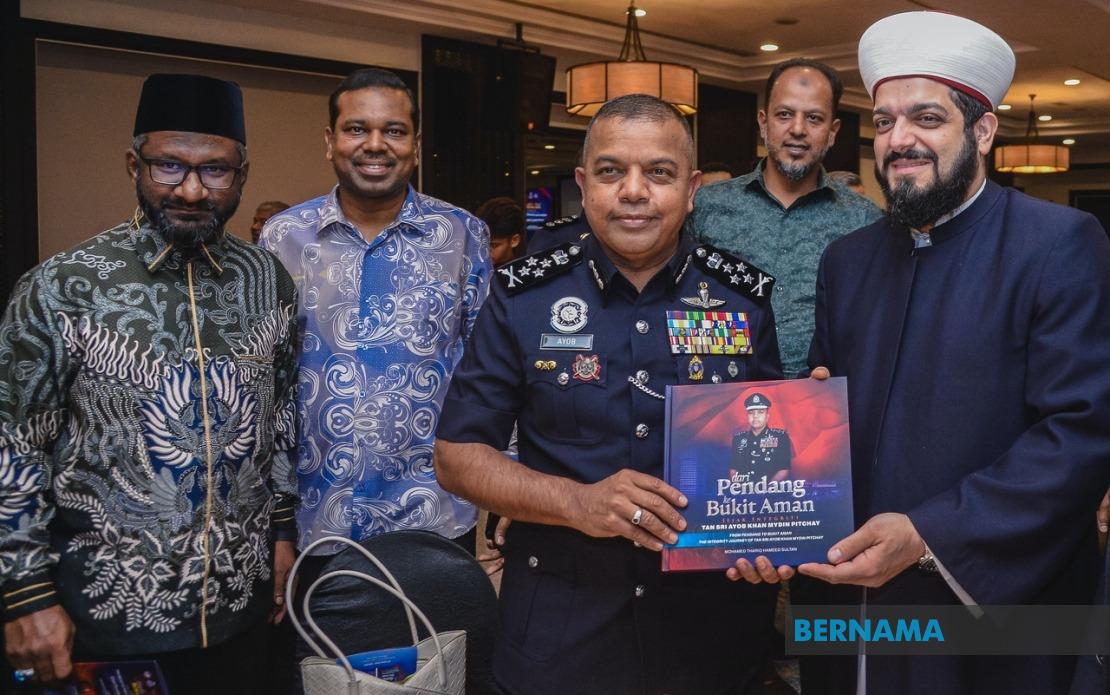
The evolution of extremist recruitment tactics presents an intensifying challenge for Malaysian law enforcement, according to senior police leadership. Deputy Inspector-General of Police Tan Sri Ayob Khan Mydin Pitchay cautioned that militant and extremist groups will not only persist but grow more dangerous through adoption of cutting-edge digital technologies and unconventional recruitment channels. Addressing the media in Kuala Lumpur on July 23, Ayob Khan underscored that the traditional playbook of radicalisation—characterised by in-person religious study circles known as usrah sessions—has given way to a sprawling online ecosystem where recruiters identify and cultivate vulnerable individuals.
The sophistication of these new recruitment methods extends beyond mainstream social media platforms into spaces that authorities have historically paid less attention to. Video games such as Roblox have emerged as unexpected recruitment grounds, where extremist operatives exploit the immersive, interactive nature of gaming environments to establish rapport with prospective members. The shift reflects a fundamental recalibration of radical messaging strategy: rather than gathering individuals in physical locations where they risk detection, recruiters now operate within digital spaces where anonymity is preserved, communication can be encrypted, and the audience is often younger and less scrutinised by counter-terrorism units.
What renders this transformation particularly troubling is the departure from purely ideological motivation that characterised earlier waves of extremism. Ayob Khan identified a disturbing pattern wherein contemporary radicalisation draws fuel from emotional volatility—personal grievances, social alienation, and accumulated resentment—rather than coherent religious or political doctrine. This psychological dimension suggests that the pool of potential recruits has broadened considerably. Individuals driven by anger, frustration, or a sense of marginalisation become susceptible to radicalisation pathways regardless of their initial religious commitment or ideological sophistication.
Recent arrests involving teenagers have crystallised this concern, demonstrating that extremist organisations are successfully targeting younger demographics through online channels. The modus operandi has fundamentally transformed, requiring law enforcement agencies to fundamentally reimagine their counter-terrorism methodologies. Traditional intelligence gathering, focused on physical surveillance and community-level observation, proves inadequate when recruitment occurs across dispersed digital networks where behavioural cues are less visible and operational security is inherently stronger. Ayob Khan stressed that remaining reactive—responding to incidents after they occur—constitutes a critical vulnerability that could result in attacks unfolding on Malaysian soil, thereby exposing intelligence failures at institutional and strategic levels.
The Deputy IGP's remarks, delivered during the launch of his biography with attending officials including Melaka Governor Tun Mohd Ali Rustam, Criminal Investigation Department Director Datuk M. Kumar, and other senior security apparatus personnel, underscore the urgency with which Malaysia's security establishment views this threat landscape. The breadth of senior representation at the event signals that concerns about evolving extremist tactics transcend any single agency and demand a coordinated, whole-of-government response. The presence of the Internal Security and Public Order Department and Commercial Crime Investigation Department leadership suggests recognition that extremism now intersects with cybercrime, digital fraud, and online exploitation in ways that blur traditional jurisdictional lines.
The shift toward online recruitment represents a qualitative change in how extremist organisations operate across Southeast Asia more broadly. Malaysia, as a demographically young nation with high digital penetration and significant gaming culture, presents particular vulnerability to these tactics. Gaming platforms offer several advantages to recruiters: they provide plausible deniability through the camouflage of normal social interaction, they reach audiences during developmental years when critical thinking and resistance to persuasion may be less developed, and they facilitate community-building in ways that strengthen commitment to extremist causes. The immersive nature of gaming environments may also amplify the psychological impact of radicalising narratives by embedding them within interactive experiences rather than presenting them as abstract propaganda.
Ayob Khan's call for heightened vigilance from the Special Branch's Counter-Terrorism Division and allied units reflects acknowledgment that existing protocols require substantial revision. Proactive detection of extremist activity in online gaming environments demands different skillsets than traditional counter-terrorism work—familiarity with gaming culture, understanding of platform affordances and community dynamics, and capacity to operate within these spaces without triggering suspicion. The challenge of maintaining superiority over adversaries who operate with anonymity, geographic distribution, and technological fluency necessitates investment in digital forensics, online undercover operations, and real-time monitoring capabilities that extend far beyond what most police forces were equipped for even five years ago.
The implications for Malaysia's security posture are substantial. Should extremist organisations successfully establish recruiting pipelines through gaming platforms, the nation could face a generation of radicalised individuals who developed their ideological commitment through immersive digital experiences rather than physical organisational infrastructure. This cohort would likely demonstrate greater operational security awareness and technical sophistication than predecessors recruited through traditional channels. Furthermore, the geographic dispersion of online recruitment means that extremists can cultivate members across Malaysia—and internationally—without the logistical constraints that once limited militant group expansion.
Addressing this threat requires not only enhanced law enforcement capacity but also engagement with technology platforms themselves. Gaming companies and online service providers must implement detection systems and reporting mechanisms that flag extremist activity, while maintaining the open community nature that makes these platforms attractive to legitimate users. Simultaneously, counter-messaging and intervention programmes targeting individuals showing signs of radicalisation in online spaces remain underdeveloped compared to counter-terrorism work focused on physical plots. Malaysia's approach must integrate digital literacy education, community resilience-building, and early intervention with enhanced law enforcement capabilities to address the full spectrum of this evolved threat landscape.

