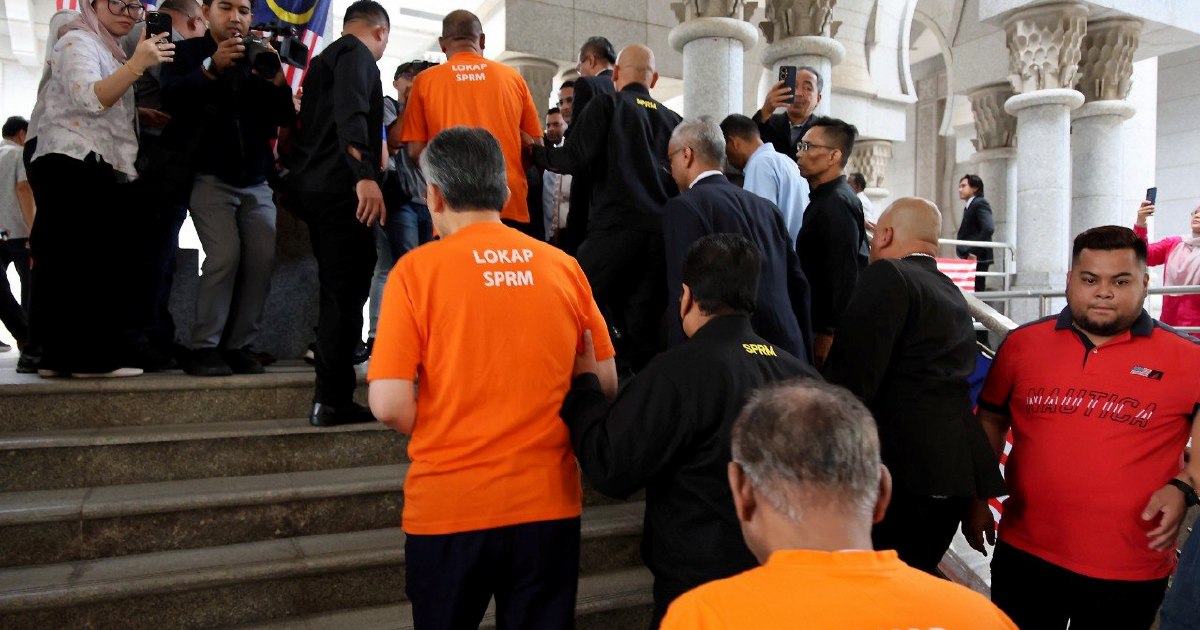
A former chairman of Lembaga Tabung Haji and a former Treasury secretary-general have both appeared at Putrajaya magistrates' court for remand hearings, the latest step in what appears to be a substantial legal investigation into allegations concerning senior financial management figures. The two individuals' simultaneous court appearance underscores the interconnected nature of the inquiry, which centres on conduct at the Islamic pilgrimage savings fund and potentially broader Treasury matters.
Lembaga Tabung Haji, the Islamic financial institution responsible for facilitating hajj savings and pilgrimages for Malaysian Muslims, has been at the centre of significant controversy in recent years. The fund serves approximately 9 million members across Malaysia and manages billions in savings accumulated by pilgrims preparing for their journeys to Mecca. Given the scale of public funds involved and the trust reposed in the institution by ordinary Malaysians, any investigation into its governance carries considerable weight both legally and in terms of public confidence.
The appearance of both figures at the magistrates' court signals that investigations have progressed beyond the initial inquiry stage. Remand hearings typically occur when authorities seek to detain suspects for further questioning or when judicial oversight is required to extend custody periods. The involvement of both a former TH leadership figure and a Treasury official suggests the investigation spans multiple agencies and potentially encompasses allegations beyond the pilgrim fund itself.
For Malaysian observers, the implications extend beyond the immediate legal proceedings. The judiciary's handling of cases involving prominent figures in finance and government carries symbolic importance, particularly given Malaysia's recent history of high-profile corruption investigations. Public perception of whether such cases are pursued fairly and thoroughly remains critical to institutional credibility and public trust in governance structures.
Treasury matters have assumed heightened significance within Malaysia's governance framework, especially regarding oversight of statutory bodies and sovereign funds. The appearance of a former Treasury secretary-general in connection with TH-related matters suggests that questions about inter-agency coordination, financial controls, and accountability mechanisms may all fall within the investigative scope. This intersection of concerns reflects broader anxieties about institutional safeguards across multiple government entities.
The Putrajaya magistrates' court has become the venue for several significant white-collar cases in recent years, establishing itself as the primary judicial forum for financial crime matters at the lower court level. The procedural stages now underway—remand hearings—allow investigating officers to seek continued detention for interrogation purposes and provide judges with an opportunity to assess the sufficiency of evidence justifying such detention.
From a regional perspective, Malaysia's pursuit of such investigations matters considerably. Southeast Asian nations frequently experience challenges in prosecuting financial crimes involving complex institutional arrangements and senior officials. The effectiveness and perceived integrity of investigative and judicial processes in high-profile cases influence international assessments of a country's governance standards and anti-corruption commitment.
The timing and coordination of these appearances also merit consideration. Remand hearings for related suspects typically follow carefully planned investigative sequences, suggesting that authorities have sufficiently developed their inquiry to warrant simultaneous court action. The progression from investigation to court appearance indicates that the available evidence has met evidentiary thresholds necessary to move beyond informal questioning.
Public interest in TH-related matters remains substantial among the fund's membership and the broader Malaysian community. Millions of ordinary Malaysians have entrusted their hajj savings to the institution over decades, creating widespread concern about the proper management and security of these accumulated funds. Any investigation touching on governance and financial stewardship therefore carries implications for public confidence in Islamic financial institutions generally.
The outcome of these remand proceedings will influence subsequent investigative and prosecutorial steps. Judicial decisions on detention requests provide both factual findings about available evidence and legal determinations about the strength of the case against the accused. These determinations establish foundational records that shape both immediate investigative priorities and eventual case progression through the courts.
For the individuals involved, the remand process represents a critical procedural juncture where their legal standing becomes formally established before the judiciary. The court's assessment of detention justifications and the gathering of additional evidence during any authorised remand period will substantially influence the trajectory of their respective cases and the broader investigation's development.

